Ozempic and GLP-1 Drugs: History, Prices and Impact
Ozempic and GLP-1 drugs have moved from specialist diabetes clinics into the center of American medicine, business and popular culture. In only a few years, these medicines have changed how doctors treat obesity, how consumers buy food, how restaurants design menus and how pharmaceutical companies think about one of the world’s largest healthcare markets.
The numbers are striking. In 2026, 11% of U.S. adults told Gallup that they currently used a GLP-1 medicine for weight management, compared with only 3% in 2024. Meanwhile, America’s self-reported obesity rate fell from 39.9% in 2022 to 36.4% in 2026. The two trends likely connect, although the available national data cannot prove that the drugs caused the entire decline.
At the same time, the market has entered a new phase. Weekly injections no longer represent the only major format. Novo Nordisk launched an oral version of Wegovy in early 2026, while Eli Lilly won FDA approval for Foundayo, orforglipron, in April. Therefore, the next stage of the GLP-1 revolution may involve more competition, lower manufacturing costs, easier access and millions of people who previously rejected injections.
However, the transformation carries difficult questions. American prices remain far above those in peer countries. Many patients stop treatment within a year. Gastrointestinal problems are common, weight often returns after discontinuation and several rare risks require continued monitoring.
This article explains what researchers know, what they still do not know and how Ozempic and GLP-1 drugs could reshape health, food and retail through the end of the decade.
Editorial note: This article provides general information, not personal medical advice. A licensed clinician should evaluate the benefits, risks and suitability of any prescription treatment.
Key findings
- Gallup reported that 11% of U.S. adults currently used a GLP-1 medicine for weight management in 2026, up from 3% in 2024. Fifteen percent said they had used one at some point.
- FAIR Health found that GLP-1 use among commercially insured adults increased from 0.9% in 2019 to 4.0% in 2024.
- Semaglutide produced average weight reductions of about 15% in major obesity trials when participants continued treatment.
- In the SELECT cardiovascular trial, semaglutide lowered major cardiovascular events by 20% in relative terms and 1.5 percentage points in absolute terms.
- U.S. GLP-1 spending increased from $13.7 billion in 2018 to $71.7 billion in 2023.
- Ozempic’s monthly wholesale acquisition cost rose from $729 in 2018 to more than $1,000 in 2026.
- Grocery spending fell 5.3% within six months among households with a new GLP-1 user in a large consumer study.
- Limited-service restaurant, fast-food and coffee spending fell about 8% in the same research.
- Some restaurants now offer smaller, less expensive portions, although inflation, food waste and changing consumer preferences also explain the shift.
- Oral Wegovy and Foundayo have already moved obesity pills from a future possibility into a commercial reality.
- After discontinuing newer weight-management medicines, patients in a 2026 systematic review regained an average of approximately 0.4 kilograms per month.
- Current evidence offers several years of strong trial data, but researchers still lack decades of experience with today’s obesity doses and newer molecules.
What are Ozempic and GLP-1 drugs?
GLP-1 stands for glucagon-like peptide-1, a hormone that the intestine releases after a person eats. The hormone helps the pancreas release insulin when glucose rises. It also reduces glucagon, slows stomach emptying and sends signals related to fullness and appetite to the brain.
Natural GLP-1 disappears within minutes. Drug developers therefore created longer-lasting molecules that activate the same receptor for hours or days.
Ozempic contains semaglutide and primarily treats type 2 diabetes. Wegovy contains the same active molecule, but the FDA approved that brand for chronic weight management and additional indications. Consequently, using “Ozempic” as a synonym for every weight-management injection creates medical and journalistic confusion.
The public also places tirzepatide products such as Mounjaro and Zepbound under the GLP-1 umbrella. Technically, tirzepatide activates both GLP-1 and GIP receptors. Nevertheless, consumers, insurers and retailers often group the entire category together.
The major U.S. GLP-1 and related brands
| Brand | Active ingredient | Format in July 2026 | Main U.S. role | Important distinction |
|---|---|---|---|---|
| Ozempic | Semaglutide | Weekly injection and daily tablet | Type 2 diabetes and related cardiovascular or kidney indications | Ozempic does not carry an FDA obesity indication |
| Wegovy | Semaglutide | Weekly injection and daily tablet | Chronic weight management, cardiovascular risk reduction and MASH | Same molecule as Ozempic, but different label and market |
| Rybelsus | Semaglutide | Daily tablet | Type 2 diabetes | Earlier oral semaglutide brand |
| Mounjaro | Tirzepatide | Weekly injection | Type 2 diabetes | Activates GIP and GLP-1 receptors |
| Zepbound | Tirzepatide | Weekly injection | Chronic weight management and obstructive sleep apnea | Weight-management version of tirzepatide |
| Foundayo | Orforglipron | Daily tablet | Chronic weight management | Non-peptide GLP-1 pill without the fasting routine required by oral semaglutide |
| Saxenda | Liraglutide | Daily injection | Chronic weight management | Earlier-generation GLP-1 medicine |
| Victoza | Liraglutide | Daily injection | Type 2 diabetes | Earlier diabetes product |
Sources: FDA approval of Zepbound, FDA approval of Foundayo, FDA Wegovy prescribing information.
The history of Ozempic and GLP-1 drugs
The story did not begin with a celebrity, a viral TikTok video or even an obesity laboratory. Instead, it began with more than a century of research into communication between the digestive system and the pancreas.
From the incretin effect to the first medicines
In 1902, physiologists William Bayliss and Ernest Starling described secretin, one of the first hormones identified by science. Researchers introduced the term “incretin” in 1932 to describe intestinal substances that could influence insulin secretion.
During the 1960s, scientists demonstrated what became known as the incretin effect. Oral glucose produced a stronger insulin response than the same amount of glucose delivered intravenously. Therefore, something in the digestive tract had to be sending an additional signal to the pancreas.
Researchers identified the biologically active form of GLP-1 during the 1980s. However, natural GLP-1 disappeared too quickly to work as a practical medicine.
A seemingly unusual discovery helped solve the durability problem. Scientists studied exendin-4, a peptide found in the saliva of the Gila monster. The molecule resembled human GLP-1 but remained active much longer. Exenatide, which drew on that research, became the first commercial GLP-1 receptor agonist in 2005.
Semaglutide itself did not come directly from Gila monster venom. Rather, exendin-4 helped prove that a durable GLP-1-like molecule could become a successful treatment.
Sources: Holst, “From the Incretin Concept and the Discovery of GLP-1 to Today’s Diabetes Therapy”, Rehfeld, “The Origin and Understanding of the Incretin Concept”, PubMed review of exenatide and the Gila monster.
GLP-1 development timeline
| Year | Milestone | Why it mattered |
|---|---|---|
| 1902 | Scientists describe secretin | Demonstrated chemical communication between the intestine and other organs |
| 1932 | Researchers introduce the term “incretin” | Established the idea that the gut could influence insulin |
| 1960s | Human studies confirm the incretin effect | Showed that oral glucose triggers more insulin than intravenous glucose |
| 1986 to 1987 | Researchers identify active GLP-1 | Supplied the biological target for future medicines |
| 1992 | Exendin-4 research expands | Demonstrated a longer-lasting GLP-1-like molecule |
| 2005 | FDA approves Byetta, or exenatide | First GLP-1 receptor agonist in the United States |
| 2010 | FDA approves Victoza | Helped establish liraglutide as a major diabetes therapy |
| 2014 | FDA approves Saxenda | Brought a GLP-1 medicine into chronic weight management |
| 2017 | FDA approves Ozempic | Introduced weekly semaglutide for type 2 diabetes |
| 2019 | FDA approves Rybelsus | First oral GLP-1 medicine for type 2 diabetes |
| 2021 | FDA approves Wegovy | Brought higher-dose semaglutide into obesity care |
| 2022 | FDA approves Mounjaro | Introduced dual GIP and GLP-1 activation |
| 2023 | FDA approves Zepbound | Expanded tirzepatide into chronic weight management |
| 2024 | FDA adds cardiovascular risk reduction to Wegovy | Confirmed a major benefit beyond weight change |
| 2025 | FDA expands Wegovy into MASH and approves oral Wegovy | Broadened both the clinical role and delivery format |
| January 2026 | Novo Nordisk launches oral Wegovy | Opened the prescription obesity-pill market to semaglutide |
| April 2026 | FDA approves Foundayo | Introduced a non-peptide GLP-1 obesity pill |
| 2026 | Novo Nordisk introduces an Ozempic tablet | Expanded oral semaglutide options for type 2 diabetes |
Sources: Knudsen and Lau’s history of semaglutide development, FDA cardiovascular approval for Wegovy, FDA Foundayo announcement.
How many Americans use Ozempic and GLP-1 drugs?
No single database captures every prescription, compounded product, insurance claim and cash purchase. Therefore, the best estimate comes from combining surveys, insurance claims and electronic health records.
The sources do not always produce the same percentage because they measure different populations. Gallup asks adults about weight-management use. KFF includes use for diabetes and other conditions. FAIR Health examines commercially insured patients, while CDC data focus on adults with diagnosed diabetes.
Growth in GLP-1 use
| Source and population | Earlier measure | Latest measure | Main finding |
|---|---|---|---|
| Gallup, U.S. adults using GLP-1s for weight management | 3% current use in 2024 | 11% in 2026 | Current use more than tripled in two years |
| Gallup, ever used for weight management | 6% in 2024 | 15% in 2026 | Approximately one in seven adults reported experience with the category |
| KFF, use for weight, diabetes or another condition | Not directly comparable | 12% current and 18% ever in 2025 | Broader definition produces a larger total |
| FAIR Health, commercially insured adults | 0.9% in 2019 | 4.0% in 2024 | Claims-based use increased 364% |
| FAIR Health, adults with overweight or obesity diagnosis | 0.30% in 2019 | 2.05% in 2024 | Increase of approximately 587% |
| FAIR Health, overweight or obesity without type 2 diabetes | 0.03% in 2019 | 0.67% in 2024 | Increase of approximately 1,961% |
| CDC, adults with diagnosed diabetes | Not comparable | 26.5% used an injectable GLP-1 in 2024 | Equivalent to an estimated 6.9 million adults |
| Truveta health systems | January 2019 baseline | 2.86 million patients through March 2026 | First-time anti-obesity semaglutide use jumped after oral Wegovy entered the market |
Sources: Gallup’s 2026 GLP-1 survey, KFF’s national GLP-1 poll, FAIR Health claims analysis, CDC diabetes data, Truveta prescription trends.
Why the estimates differ
First, surveys rely on accurate recall. Some consumers may call every injection “Ozempic,” even when they use a different brand.
Second, insurance data miss people who pay cash or obtain a compounded product. Conversely, a prescription claim does not prove that the patient consistently took the medicine.
Third, Gallup’s 2026 survey found that 68% of current users reported a brand-name product, 19% reported a compounded or customized version and 12% did not know which type they used. Therefore, pharmacy data that exclude compounding can understate the total market.
Finally, indications overlap. A person may use semaglutide for diabetes, cardiovascular protection and weight management at the same time.
Are GLP-1 drugs reducing obesity in the United States?
The short answer is probably yes, but researchers cannot yet calculate the drugs’ exact contribution to the national obesity trend.
Gallup’s self-reported obesity rate declined in every year from 2022 through 2026. Over the same period, GLP-1 use accelerated sharply.
U.S. self-reported obesity and GLP-1 adoption
| Year | Gallup self-reported obesity rate | Current GLP-1 use for weight management |
|---|---|---|
| 2022 | 39.9% | Not reported on the same basis |
| 2023 | 38.4% | Not reported on the same basis |
| 2024 | 37.5% | 3% |
| 2025 | 37.0% | 8% |
| 2026 | 36.4% | 11% |
The obesity rate fell 3.5 percentage points from 2022 to 2026, equivalent to a relative decline of almost 9%. Nevertheless, correlation alone does not establish causation.
Several factors complicate the interpretation:
- Gallup uses self-reported height and weight, which usually produce lower obesity estimates than direct physical measurements.
- The latest comparable CDC examination data showed a 40.3% adult obesity prevalence between August 2021 and August 2023.
- Food prices, post-pandemic behavior, demographic changes and increased public attention to metabolic health may also influence the trend.
- People who begin GLP-1 treatment do not all continue it.
- National averages can hide major differences by income, race, geography, insurance status and health condition.
Still, the timing, scale of adoption and strong clinical trial results make it reasonable to infer that GLP-1 treatment has contributed to the decline. Researchers simply cannot assign the entire 3.5-point reduction to the medicines.
Sources: Gallup obesity and GLP-1 estimates, CDC measured adult obesity data.
What clinical trials show about weight reduction
National statistics answer a population question. Randomized clinical trials answer a different one: what happens to selected participants under controlled conditions?
| Study | Population and duration | Main result |
|---|---|---|
| STEP 1 | 1,961 adults without diabetes, 68 weeks | Semaglutide group lost 14.9% on average, compared with 2.4% for placebo |
| STEP 5 | 304 adults, 104 weeks | Semaglutide group lost 15.2%, compared with 2.6% for placebo |
| SELECT weight analysis | 17,604 adults with cardiovascular disease, up to 208 weeks | Semaglutide maintained an average 10.2% reduction at week 208, compared with about 1.5% for placebo |
| Oral semaglutide OASIS 4 | Adults with overweight or obesity, 64 weeks | 13.6% reduction under the treatment-policy analysis and 16.6% among adherent participants |
| Orforglipron ATTAIN-1 | Adults with overweight or obesity, 72 weeks | 11.1% reduction under the treatment-policy analysis and 12.4% among adherent participants |
| Tirzepatide diabetes-prevention study | Adults with obesity and prediabetes, 176 weeks | Average reductions ranged from 12.3% to 19.7%, depending on treatment group |
Sources: STEP 1 trial, STEP 5 trial, SELECT four-year weight analysis, Novo Nordisk’s oral semaglutide trial report, Lilly’s Foundayo evidence summary.
These averages do not predict every individual result. Some participants lost considerably more, while others lost little or discontinued treatment. Moreover, trials usually provide closer monitoring than routine medical care.
The health benefits beyond weight loss
Public discussion often treats the number on a scale as the main outcome. However, the strongest medical case for GLP-1 drugs comes from their effects on diabetes, cardiovascular disease, kidney disease and other complications associated with metabolic illness.
Cardiovascular protection
The SELECT trial followed 17,604 adults who had overweight or obesity and established cardiovascular disease but did not have diabetes. After a median of 39.8 months, major cardiovascular events occurred in 6.5% of participants receiving semaglutide and 8.0% receiving placebo.
That difference represents:
- A 20% relative risk reduction
- A 1.5 percentage-point absolute reduction
- A rough number needed to treat of 67 over approximately 40 months
The absolute and relative numbers tell different stories. A 20% relative reduction sounds dramatic, while the 1.5-point absolute reduction shows the actual event difference within the trial population. Both measures matter.
Source: SELECT cardiovascular outcomes trial.
Kidney protection
The FLOW trial enrolled people with type 2 diabetes and chronic kidney disease. Semaglutide reduced the primary composite of major kidney outcomes or cardiovascular death by 24% in relative terms over a median 3.4 years.
Consequently, semaglutide now occupies a broader place in diabetes care than glucose control alone.
Source: FLOW trial in The New England Journal of Medicine.
Diabetes prevention
A three-year tirzepatide study followed adults with obesity and prediabetes. Type 2 diabetes developed in 1.3% of participants receiving tirzepatide and 13.3% receiving placebo during the 176-week treatment period.
The result represented an approximate 93% relative risk reduction during treatment. Still, tirzepatide is a dual GIP and GLP-1 medicine, so researchers should not automatically apply the result to every product in the category.
Source: Tirzepatide obesity and diabetes-prevention trial.
Liver disease and sleep apnea
Wegovy also received an indication for metabolic dysfunction-associated steatohepatitis, commonly called MASH, under specific clinical conditions. Meanwhile, the FDA approved Zepbound for moderate to severe obstructive sleep apnea in adults with obesity.
Thus, the market increasingly revolves around treating obesity-related disease, rather than cosmetic weight change.
What happens when patients stop treatment?
Discontinuation represents one of the most important and least understood parts of the GLP-1 story.
In the STEP 1 extension, participants regained roughly two-thirds of the weight they had lost within one year after stopping semaglutide. Their cardiometabolic measurements also moved back toward baseline.
A 2026 BMJ systematic review examined 37 studies with 9,341 participants. Across the included weight-management medicines, people regained approximately 0.4 kilograms per month after treatment ended. The authors projected that average body weight could return to baseline in about 1.7 years, although limited follow-up forced them to extrapolate.
Researchers should treat that projection cautiously. Different medicines, treatment periods and study populations appeared in the review. Nevertheless, the direction of the evidence remains consistent: for many people, treatment suppresses biological drivers of weight gain rather than permanently removing them.
Sources: STEP 1 semaglutide withdrawal extension, BMJ systematic review of weight regain after treatment.
Real-world discontinuation
A large U.S. observational study examined 125,474 adults with overweight or obesity. Within one year:
- 46.5% of patients with type 2 diabetes discontinued treatment.
- 64.8% of those without diabetes discontinued.
- Among those who stopped, 47.3% with diabetes and 36.3% without diabetes restarted within the following year.
Cost, side effects, shortages, insurance rules and treatment expectations can all contribute. Observational records, however, cannot always identify the reason behind every gap.
Source: JAMA Network Open discontinuation study.
Ozempic price history: from $729 to more than $1,000
Drug pricing creates confusion because “the price” can mean at least four different numbers:
- Wholesale acquisition cost, or WAC: the manufacturer’s public list price before rebates.
- Net price: the amount that remains after negotiated rebates and concessions.
- Cash price: the amount paid outside insurance, which may include manufacturer programs.
- Out-of-pocket cost: the deductible, copayment or coinsurance paid by a particular patient.
Consequently, two people can receive the same product while paying radically different amounts.
Ozempic monthly list-price evolution
| Year | Approximate U.S. monthly WAC | Change from 2018 |
|---|---|---|
| 2018 | $729 | Baseline |
| 2019 | $772 | +5.9% |
| 2020 | $811 | +11.2% |
| 2021 | $852 | +16.9% |
| 2022 | $892 | +22.4% |
| 2023 | $936 | +28.4% |
| 2024 | $969 | +32.9% |
| 2025 | $997.58 | +36.8% |
| 2026 | $1,027.51 | +41.0% |
| 2027 announced price | $675 | 34.3% below the 2026 WAC |
Ozempic’s nominal monthly list price increased about 41% between 2018 and 2026. Yet Novo Nordisk announced that it plans to reduce the list price of Ozempic, Wegovy and Rybelsus to $675 starting January 1, 2027.
The future cut may reduce some costs tied to list price, including coinsurance. However, a lower WAC does not guarantee that every insured patient will pay less because rebates, formularies, deductibles and benefit design still matter.
Sources: Oregon Prescription Drug Affordability Board Ozempic review, Novo Nordisk’s Ozempic list-price explanation, Novo Nordisk’s announced 2027 price reduction.
Why list and net prices can diverge
Oregon’s drug affordability review offers a useful example. In 2023, the average gross amount per Ozempic claim in the state reached about $1,070. After concessions, the estimated net amount was approximately $562, a difference of about $508.
That does not mean every patient paid $562. Rather, it demonstrates how confidential rebates and other concessions can separate the public price from the manufacturer’s effective revenue.
U.S. list prices and direct-pay offers in July 2026
| Product | Approximate list price | Manufacturer cash or direct-pay context | FDA market |
|---|---|---|---|
| Ozempic | $1,027.51 per monthly package | Programs vary by insurance and eligibility | Type 2 diabetes |
| Wegovy | $1,349.02 per monthly package | Oral offers advertised from $149; injection offers may use introductory and continuing tiers | Chronic weight management and other labeled uses |
| Zepbound | About $1,086 per monthly package | Certain direct-pay presentations advertised around $299 to $449 | Chronic weight management and sleep apnea |
| Foundayo | $649 per monthly package | Direct-pay offers advertised from $149; some eligible commercially insured patients may pay less | Chronic weight management |
| Medicare GLP-1 Bridge | Negotiated program, not ordinary list price | Eligible Part D beneficiaries pay $50 per month through the temporary bridge | Selected obesity medicines under program rules |
Prices and program terms can change quickly. Moreover, an advertised starting price may apply only to particular products, strengths, durations or eligibility groups.
Sources: CMS Medicare GLP-1 Bridge, LillyDirect Foundayo, LillyDirect Zepbound, NovoCare Wegovy.
Why American GLP-1 prices became controversial
In a 2023 comparison, U.S. list prices greatly exceeded prices in several peer countries.
| Product | United States | Comparison market | Comparison price |
|---|---|---|---|
| Ozempic | $936 | Japan | $169 |
| Rybelsus | $936 | Netherlands | $203 |
| Wegovy | $1,349 | Germany | $328 |
| Wegovy | $1,349 | Netherlands | $296 |
| Mounjaro | $1,023 | Netherlands | $444 |
| Mounjaro | $1,023 | Japan | $319 |
These numbers compare list prices, not every rebate or consumer payment. Even so, the scale of the difference illustrates how U.S. patent protection, insurer negotiations and fragmented purchasing power shape the market.
Source: Peterson-KFF international GLP-1 price comparison.
Affordability remains a barrier
KFF found that 56% of current or former GLP-1 users considered the medicines difficult to afford. Furthermore, 27% of insured users said insurance covered only part of the expense and they paid the remainder.
Cost affected treatment continuity:
- 14% reported stopping because of cost.
- 13% reported stopping because of side effects.
- Adults without comprehensive insurance protection faced the greatest exposure to list or cash prices.
Therefore, future market growth depends on coverage and persistence, not only FDA approvals.
How large has the GLP-1 market become?
U.S. spending on GLP-1 products increased from $13.7 billion in 2018 to $71.7 billion in 2023, measured in inflation-adjusted 2023 dollars. Ozempic spending alone rose from approximately $410 million to $26.42 billion.
The totals represent gross spending before manufacturer rebates and do not fully capture compounded products. Nevertheless, growth of more than 500% in five years places the category among the most consequential pharmaceutical markets in U.S. history.
Source: JAMA Network Open analysis of U.S. GLP-1 spending.
Why the economics are unusual
A traditional medicine may reach a relatively small group with a rare condition. By contrast, GLP-1 drugs address diabetes and obesity, two conditions that affect tens of millions of Americans.
At 10 million patients, even a net annual price of $3,000 would produce a $30 billion market. At 30 million patients, the same net price would create $90 billion in annual spending.
However, the economic equation includes potential savings. Fewer cardiovascular events, kidney complications, diabetes cases and surgical procedures could reduce other healthcare expenses. Those savings may take years to appear, while prescription costs arrive immediately.
How GLP-1 drugs are changing grocery retail
The food impact no longer rests only on anecdotes. Researchers have begun linking verified household purchases to reported GLP-1 adoption.
A study highlighted by Cornell examined a representative panel of approximately 150,000 U.S. households. Within six months of a household member beginning a GLP-1 medicine, grocery spending fell 5.3% on average.
Higher-income households reduced spending by 8.2%. Meanwhile, limited-service restaurant, fast-food and coffee spending declined around 8%.
Food-purchasing changes after GLP-1 adoption
| Area | Observed change | Interpretation |
|---|---|---|
| Total grocery spending | -5.3% within six months | Smaller baskets or lower purchase frequency |
| Grocery spending in higher-income households | -8.2% | Price may create strong selection effects because these households can access treatment more easily |
| Limited-service restaurants, fast food and coffee | About -8.0% | Lower appetite may reduce impulse or convenience purchases |
| Savory snacks | -10.1% | One of the largest category declines |
| Yogurt | Statistically significant increase | Suggests demand for convenient, nutrient-dense foods |
| Spending after treatment discontinuation | Returned toward pre-treatment patterns | Supports a relationship between active use and purchasing behavior |
Source: Cornell’s report on GLP-1 drugs and food purchasing.
The findings do not mean every user buys 5.3% less food. Household composition, income and treatment duration vary. In addition, the study could not completely separate medication effects from a broader decision to pursue healthier habits.
Still, the reversal after discontinuation strengthens the argument that active treatment influences purchases.
Which food categories face pressure?
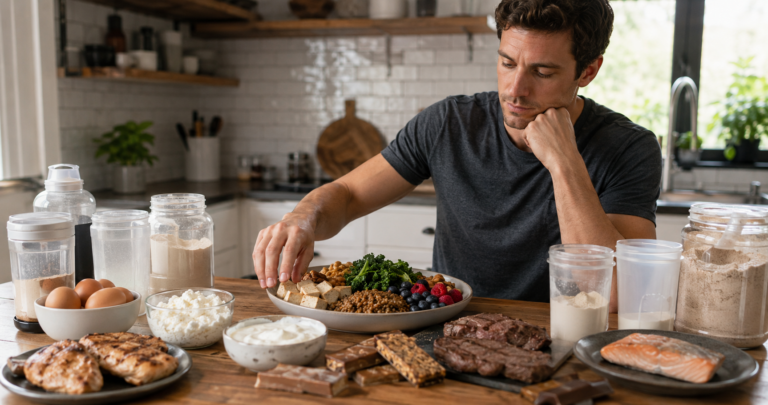
Products built around frequent snacking, large packages and high impulse consumption may face the largest risk. In contrast, foods that promise protein, fiber, hydration or nutrient density may gain shelf space.
Potentially exposed categories include:
- Salty snacks
- Candy and confectionery
- Sweet baked goods
- Sugary drinks
- Large frozen meals
- High-volume convenience foods
- Products marketed primarily around indulgence or oversized portions
Potentially advantaged categories include:
- Yogurt and cultured dairy
- Smaller prepared meals
- Protein-rich products
- Fiber-focused foods
- Hydration products
- Fruit and vegetable snacks
- Nutrient-dense frozen meals
Food companies have already responded. Nestlé launched Vital Pursuit, a line of portion-controlled frozen meals that emphasizes protein and nutrients for consumers using GLP-1 medicines and others seeking smaller meals.
Source: Nestlé’s Vital Pursuit launch.
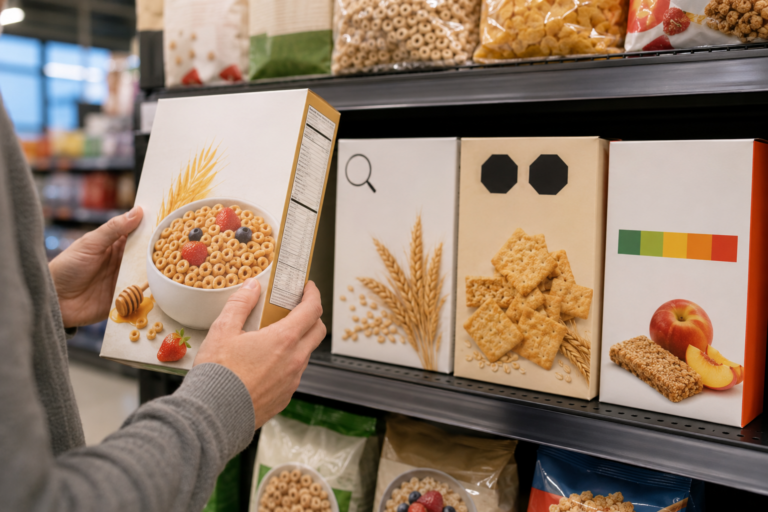
The problem with “GLP-1 friendly” labels
Some manufacturers now place phrases such as “GLP-1 friendly” or “GLP-1 companion” on packaging. However, U.S. regulators have not created a standardized legal definition for those descriptions.
As a result, the phrase may describe a marketing position rather than a medically validated category. Consumers still need to evaluate the ordinary nutrition label and discuss individual nutrition needs with a qualified professional.
Source: Associated Press report on GLP-1 food marketing.
Why restaurants are offering smaller portions
Restaurants have historically competed through abundance. Larger burgers, bottomless sides and oversized entrées created a visible sense of value. GLP-1 adoption challenges that model because some customers no longer want, or cannot comfortably finish, a large meal.
In January 2026, Olive Garden expanded a seven-item “Lighter Portions” menu nationally. The company cited several considerations, including value, wellness and changing appetite patterns. GLP-1 use formed part of the context, but not the only reason.
Other chains have moved in a similar direction.
| Restaurant or concept | Reported response | Strategic purpose |
|---|---|---|
| Olive Garden | Seven smaller “Lighter Portions” entrées | Provide a lower-priced alternative and reduce unfinished food |
| The Cheesecake Factory | Smaller “Bites and Bowls” choices | Expand snack-sized and moderate meal occasions |
| P.F. Chang’s | Medium portion options | Offer a middle point between appetizers and full entrées |
| TGI Fridays | Testing a smaller-format menu | Address price sensitivity and reduced demand for large meals |
| Cuba Libre | “GLP-Wonderful” menu concept | Directly market smaller portions to GLP-1 users |
| Independent restaurants | More half portions, small plates and flexible sides | Improve value perception and reduce waste |
Source: Associated Press report on restaurants and smaller portions.
Smaller portions are not always shrinkflation
The distinction matters. Shrinkflation usually means that a company quietly reduces the quantity of an existing product without making an equivalent price reduction.
A restaurant that adds a clearly labeled, lower-priced smaller portion creates a new choice. Therefore, the change can improve value for customers who do not want a full entrée.
By contrast, reducing the original portion while keeping the same menu name and price would create a different consumer response.
GLP-1 use is only one driver
Several demographic and economic trends also favor smaller restaurant meals:
- Higher menu prices have increased demand for lower-cost choices.
- Older consumers often prefer smaller portions.
- Diners increasingly care about food waste.
- Solo dining and snacking have grown.
- Delivery fees can make a full restaurant meal expensive.
- Consumers increasingly combine an appetizer, side or bowl instead of ordering a traditional entrée.
Consequently, GLP-1 drugs may accelerate an existing trend rather than create it from nothing.
The cultural effect: celebrities who disclosed GLP-1 use
Celebrity disclosures helped transform GLP-1 medicines from clinical products into cultural symbols. Nevertheless, responsible reporting must distinguish confirmed statements from rumors.
The table below includes public disclosures. It avoids appearance comparisons and unverified claims.
| Public figure | Medication publicly discussed | What the disclosure added to the conversation |
|---|---|---|
| Oprah Winfrey | Prescription weight-management medicine, without initially naming a specific brand | Framed obesity treatment as healthcare rather than a moral test |
| Serena Williams | GLP-1 treatment, reported as Zepbound in later coverage | Discussed frustration with metabolic results despite sustained effort |
| Whoopi Goldberg | Mounjaro | Described medically supervised use after health-related weight gain |
| Meghan Trainor | Mounjaro | Discussed combining treatment with broader health support |
| Amy Schumer | Ozempic, which she stopped after side effects; later discussed another GLP-1 experience | Highlighted that tolerability varies |
| Sharon Osbourne | Ozempic, later discontinued | Warned that powerful appetite effects can become difficult for some users |
| James Corden | Ozempic, later discontinued | Said the medicine did not address the behavioral reasons behind his eating |
| Tracy Morgan | Ozempic | Publicly discussed appetite changes and later treatment experience |
| Rebel Wilson | Short-term Ozempic use, later stopped | Described the medicine as one part of a broader health period |
| Lizzo | GLP-1 treatment, later stopped | Demonstrated that public assumptions about another person’s medication can be inaccurate |
| Elon Musk | Wegovy and later discussion of tirzepatide | Increased awareness among technology and business audiences |
| Gabriel Iglesias | Ozempic, later discontinued | Discussed both treatment effects and changes after stopping |
Sources: People’s regularly updated celebrity disclosure list, TODAY’s celebrity GLP-1 coverage.
A caution about celebrity reporting
Kelly Clarkson offers a useful example. Many headlines and social posts labeled her medication as Ozempic, but she explicitly said it was not Ozempic and did not publicly identify the product.
Accordingly, journalists should not turn “weight-management medicine” into “Ozempic” without confirmation. The same rule applies to photographs, speculation and anonymous sourcing.
Celebrity stories can help reduce stigma. However, they cannot replace clinical evidence, and another person’s experience does not predict an individual patient’s outcome.
Search interest and the “Ozempic effect”
A study of U.S. Google searches found that interest in “Ozempic” grew exponentially between March 2018 and February 2023. The researchers linked the trend to news coverage, social media and celebrity discussion.
That attention created both benefits and risks. More people learned that obesity has biological and clinical dimensions. At the same time, viral coverage blurred the differences among brands, indications and evidence.
Source: Han and colleagues’ search-interest study.
Oral GLP-1 pills could transform the market
Until recently, the most effective obesity medicines required injections. Oral Wegovy and Foundayo have now changed that assumption.
Oral Wegovy
The FDA approved the Wegovy tablet in December 2025, and Novo Nordisk launched it in January 2026. It contains semaglutide, a peptide that normally breaks down in the digestive system. An absorption-enhancing ingredient helps enough of the molecule cross into the bloodstream.
The oral product requires a specific fasting routine. Therefore, daily adherence may prove more complicated for some users than a once-weekly injection.
In the OASIS 4 trial, oral semaglutide produced:
- A 13.6% average reduction under the treatment-policy analysis
- A 16.6% average reduction among participants who adhered to treatment
- A 2.2% reduction in the comparable placebo group under the treatment-policy analysis
- A reduction of at least 20% among roughly one-third of adherent participants
Foundayo and orforglipron
The FDA approved Lilly’s Foundayo on April 1, 2026. Its active ingredient, orforglipron, is a small, non-peptide molecule.
Unlike oral semaglutide, orforglipron does not require the same food and water restrictions. That difference may improve convenience and make the product easier to integrate into daily routines.
In ATTAIN-1, Foundayo produced:
- An 11.1% average reduction under the treatment-policy analysis
- A 12.4% average reduction among adherent participants
- A 2.1% reduction for placebo under the treatment-policy analysis
However, researchers did not compare oral Wegovy and Foundayo directly in the same trial. Cross-trial comparisons can mislead because study populations, designs and dropout rates differ.
Oral GLP-1 comparison
| Feature | Oral Wegovy | Foundayo |
|---|---|---|
| Active ingredient | Semaglutide | Orforglipron |
| Molecular type | Peptide | Small, non-peptide molecule |
| FDA approval for obesity | December 2025 | April 2026 |
| U.S. launch | January 2026 | 2026 commercial rollout |
| Administration | Daily pill with a fasting routine | Daily pill without the same food or water restrictions |
| Trial duration | 64 weeks | 72 weeks |
| Treatment-policy average | -13.6% | -11.1% |
| Adherent-participant average | -16.6% | -12.4% |
| Approximate WAC | $1,349 per package | $649 per package |
| Main commercial advantage | Established semaglutide evidence and brand | Convenience, small-molecule manufacturing and lower list price |
Sources: FDA oral Wegovy label, FDA Foundayo approval, Lilly Foundayo announcement.
Five ways pills could change the market
1. They can expand the patient population
Some people avoid injections because of inconvenience, discomfort or social stigma. Pills remove that barrier, although they still require a prescription and medical oversight.
Early evidence already suggests market expansion. IQVIA reported that oral Wegovy represented roughly one-third of new-to-brand prescriptions within eight weeks, while about two-thirds of its volume came from people new to any GLP-1 treatment.
Source: IQVIA obesity-market outlook.
2. Small molecules may cost less to manufacture
Injectable peptide products require complex biological manufacturing, sterile filling devices and distribution systems. Small-molecule tablets generally use more conventional pharmaceutical processes.
Therefore, orforglipron and future pills could support greater manufacturing capacity and stronger price competition. Whether manufacturers pass those savings to consumers will depend on competition, insurance negotiations and policy.
3. Pills can intensify price competition
Foundayo entered with a $649 list price, less than half Wegovy’s $1,349 list price. Although net prices may differ, the public number creates a powerful benchmark.
Novo Nordisk’s announced 2027 list-price reduction to $675 suggests that the competitive effect has already begun.
4. Weekly injections will not disappear
Many patients may prefer one weekly treatment to a daily pill. In addition, injectable products have extensive cardiovascular, kidney and long-term weight data.
Consequently, the market will probably segment by convenience, clinical evidence, price, tolerability and insurance coverage rather than move entirely to tablets.
5. Primary-care prescribing may grow
A familiar pill format could make treatment easier to discuss in primary-care settings. At the same time, broader prescribing will increase the need for appropriate screening, follow-up and management of adverse effects.
Long-term benefits: what the evidence supports
The phrase “long term” needs a clear definition. GLP-1 medicines have treated diabetes since 2005, providing roughly two decades of class-level experience. However, modern obesity doses, newer dual agonists and the latest oral products have much shorter histories.
For semaglutide in obesity, randomized evidence now extends to approximately four years. That duration is meaningful, but it does not answer every question about 10, 20 or 30 years of continuous treatment.
Evidence summary
| Potential benefit | Evidence strength | What researchers know |
|---|---|---|
| Sustained weight reduction during treatment | Strong | Semaglutide maintained clinically meaningful reductions for two to four years |
| Lower cardiovascular event risk | Strong for selected high-risk adults | SELECT showed a 20% relative reduction |
| Better glucose control | Strong | GLP-1 medicines have extensive diabetes evidence |
| Kidney protection | Strong in type 2 diabetes with chronic kidney disease | FLOW reported a 24% relative reduction in its primary composite |
| Lower progression from prediabetes to diabetes | Strong for tirzepatide during treatment | Three-year trial showed a major reduction |
| Improvement in MASH | Moderate to strong for selected patients | Regulatory approval reflects meaningful liver-disease evidence |
| Sleep-apnea improvement | Strong for tirzepatide in indicated adults | FDA approved Zepbound for qualifying obstructive sleep apnea |
| Lower total healthcare spending | Uncertain | Medical events may fall, but high medication spending can offset savings |
| Permanent benefit after stopping | Weak | Weight regain and reversal of risk markers commonly occur |
Long-term risks and unresolved questions
Most users experience either no adverse effects or manageable ones. Still, the medicines can cause significant problems, and rare events become important when millions of people use a product.
Common adverse effects
In adult Wegovy injection trials, reported adverse effects included:
| Adverse effect | Wegovy | Placebo |
|---|---|---|
| Nausea | 44% | 16% |
| Diarrhea | 30% | 16% |
| Vomiting | 24% | 6% |
| Constipation | 24% | 11% |
| Abdominal pain | 20% | 10% |
| Headache | 14% | 10% |
| Fatigue | 11% | 5% |
Most gastrointestinal events were mild or moderate, but some participants discontinued treatment. In STEP 5, gastrointestinal events occurred in 82.2% of the semaglutide group and 53.9% of the placebo group.
Sources: FDA Wegovy label, STEP 5 two-year trial.
Risk and uncertainty table
| Issue | What current evidence says | What remains uncertain |
|---|---|---|
| Gastrointestinal symptoms | Common, especially during treatment initiation or escalation | Which patients will develop persistent or severe symptoms |
| Gallbladder disease | Risk rises modestly, especially in weight-management trials and with larger or faster reductions | Individual susceptibility over many years |
| Pancreatitis | Product labels carry warnings, but absolute event rates remain low | Whether particular subgroups face meaningfully higher risk |
| Dehydration-related kidney injury | Vomiting or diarrhea can contribute to dehydration and kidney problems | Best prevention strategy for vulnerable patients |
| Diabetic retinopathy complications | Rapid glucose improvement can temporarily worsen existing disease in some people with diabetes | Risk under newer products and treatment combinations |
| Delayed stomach emptying | Can produce gastrointestinal symptoms and affect procedures involving anesthesia | Best procedure-management protocols across the entire class |
| Thyroid C-cell tumors | Rodent studies produced tumors; human trials have not shown a clear causal increase | Very long-latency risks that may require decades of follow-up |
| NAION eye condition | European regulators classify it as a very rare semaglutide adverse effect | Exact risk by patient profile and treatment duration |
| Lean-mass loss | Some lean tissue declines along with fat during substantial weight reduction | Long-term functional importance, particularly in older or frail adults |
| Weight regain after stopping | Common across studies | Which maintenance approaches work best after discontinuation |
| Compounded or unapproved products | Quality, labeling and ingredient concerns create additional risk | True national exposure because reporting remains incomplete |
Gallbladder disease
A meta-analysis of 76 randomized trials with 103,371 participants found a 37% relative increase in gallbladder or biliary disease with GLP-1 receptor agonists. In absolute terms, researchers estimated approximately 27 additional events per 10,000 person-years.
Weight-management trials showed a larger relative association than diabetes trials. Higher doses and longer treatment also correlated with greater risk.
The absolute number remains small, but the population impact can become meaningful when tens of millions use the medicines.
Source: JAMA Internal Medicine gallbladder meta-analysis.
Thyroid cancer
Drug labels warn about thyroid C-cell tumors because semaglutide caused these tumors in rodents. Scientists do not know whether the same mechanism applies to humans.
A 2024 systematic review covering 10 randomized trials, 14,550 participants and 7,830 semaglutide recipients found thyroid cancer rates below 1% and no significant treatment signal.
Additionally, a large Scandinavian cohort found no substantial increase in thyroid cancer over a mean 3.9 years of follow-up. However, researchers could not rule out a small risk or a cancer that takes much longer to appear.
Sources: Feier and colleagues’ thyroid-cancer review, BMJ Scandinavian thyroid-cancer cohort.
Very rare optic-nerve risk
In 2025, the European Medicines Agency concluded that non-arteritic anterior ischemic optic neuropathy, or NAION, can occur as a very rare semaglutide adverse effect.
The regulator estimated up to one additional case per 10,000 person-years. Sudden vision changes require prompt medical evaluation, regardless of the suspected cause.
Source: European Medicines Agency NAION review.
Muscle and lean mass
Any substantial weight reduction can include both fat and lean tissue. For that reason, researchers increasingly study muscle function, nutrition and physical capacity rather than body weight alone.
Current studies do not show that GLP-1 drugs uniquely “melt muscle.” Yet older adults, people with frailty and patients who eat very little may require closer nutritional and functional monitoring.
The long-term goal should remain improved health and physical function, not simply the lowest possible weight.
Compounded and unapproved products
Shortages and high prices created demand for compounded versions. These products can serve a legitimate role under specific legal conditions, but they do not pass through the same FDA approval process as branded medicines.
The FDA has reported concerns involving fraudulent labels, dosing errors, shipping conditions and products that use unapproved ingredients. Therefore, the safety evidence for an approved brand should not automatically be transferred to every product marketed with a similar name.
Source: FDA concerns about unapproved GLP-1 products.
Myths and curiosities about Ozempic and GLP-1 drugs
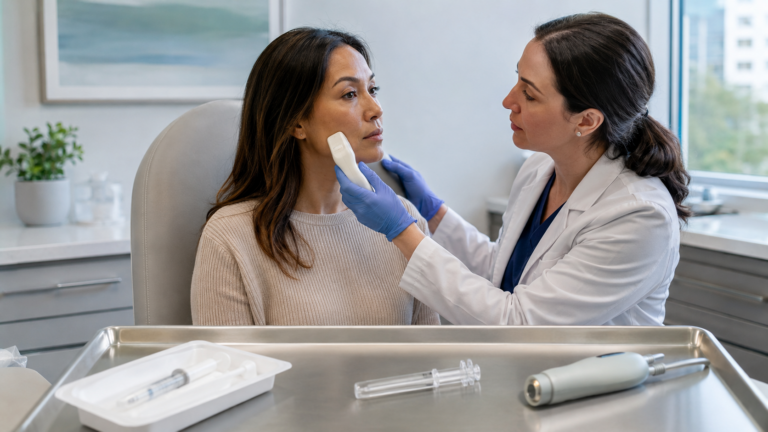
“Ozempic face” is not a separate medical disease
Facial volume can change after substantial or rapid weight reduction, regardless of whether the person used medication, surgery or another method. Researchers have not established that semaglutide uniquely targets facial fat.
Therefore, “Ozempic face” functions mainly as a cultural and marketing term.
Source: Journal of Drugs in Dermatology analysis.
Ozempic and Wegovy contain the same molecule
Both products contain semaglutide. However, they have different FDA labels, treatment roles, presentations and insurance rules.
That distinction explains why an insurer may cover one brand but not the other.
Ozempic did not come directly from Gila monster venom
Research on exendin-4 from the Gila monster helped create exenatide and validated the drug class. Scientists designed semaglutide as a modified analogue of human GLP-1.
Oral GLP-1 medicines are not entirely new
Rybelsus became the first oral GLP-1 product for type 2 diabetes in 2019. What changed in 2025 and 2026 was the arrival of oral products specifically approved for chronic weight management.
Off-label prescribing did not explain every shortage
A Danish registry study found that Ozempic use increased nearly tenfold between 2018 and 2023. In 2022, roughly one-third of new users lacked recorded indicators of type 2 diabetes, but that share fell sharply in 2023.
The researchers concluded that off-label weight-loss prescribing explained only a limited part of the shortage dynamics.
Source: Mailhac and colleagues’ Danish registry study.
Bariatric surgery rates declined as GLP-1 use grew
FAIR Health reported that bariatric surgery among commercially insured adults with overweight or obesity declined from 0.12% in 2019 to 0.07% in 2024, a 41.8% reduction.
However, the data do not prove that GLP-1 prescriptions caused every avoided surgery. Insurance barriers, pandemic disruption and changing patient preferences also matter.
Food spending can rebound after treatment ends
In the Cornell consumer study, households that discontinued GLP-1 treatment moved back toward their earlier purchasing patterns. This finding suggests that food companies must monitor treatment persistence, not just the number of prescriptions.
How Ozempic and GLP-1 drugs could reshape business through 2030
Pharmaceutical competition will broaden
Novo Nordisk and Eli Lilly currently dominate the category, but numerous companies are developing pills, longer-lasting injections and multi-hormone products.
As more competitors arrive, efficacy will not represent the only battleground. Companies will also compete on:
- Price
- Insurance access
- Side-effect profile
- Cardiovascular and kidney outcomes
- Treatment frequency
- Manufacturing reliability
- Food restrictions
- Storage convenience
- Long-term persistence
- Additional indications
Insurance coverage may determine the winners
A clinically effective medicine cannot transform public health if most eligible patients cannot continue it. Therefore, manufacturers may accept lower net prices in exchange for broader formulary access.
The temporary Medicare GLP-1 Bridge also creates a real-world test. Policymakers can compare pharmaceutical spending with changes in diabetes, cardiovascular events and other healthcare use.
Food companies will redesign portions and packages
Large packages will not disappear, but companies may add:
- Smaller resealable packs
- Single-serving options
- Protein-forward frozen meals
- More nutrient-dense snack formats
- Flexible restaurant portion sizes
- Half entrées and customizable sides
- Products aimed at smaller eating occasions
Retailers may also rethink category forecasting. A household with a GLP-1 user could buy less food overall but spend more per unit on selected products.
Restaurants will compete on value without relying on size
Historically, restaurants demonstrated value by putting more food on the plate. Increasingly, customers may judge value by price flexibility, quality, customization and reduced waste.
A successful small-portion strategy should provide a visibly lower price. Otherwise, consumers may interpret the change as shrinkflation.
Oral medicines will increase pressure on injection prices
Foundayo’s lower list price and simpler manufacturing profile could become a market anchor. Novo Nordisk’s planned 2027 WAC reduction already points in that direction.
Still, rebates can make list-price comparisons deceptive. Analysts should follow net prices, insurance coverage and treatment persistence alongside headline WAC figures.
The public-health result will depend on access
If treatment remains concentrated among affluent or well-insured consumers, national averages may improve while health inequalities widen. Conversely, wider coverage could reduce diabetes and cardiovascular disparities.
Thus, the most important question may not be whether the drugs work. It may be who can start them, who can tolerate them and who can afford to stay on them.
Conclusion
Ozempic and GLP-1 drugs represent more than a pharmaceutical trend. They mark a shift in how medicine understands obesity, moving the condition away from simplistic explanations based only on willpower and toward a model involving biology, environment and chronic care.
Clinical evidence shows meaningful benefits. Semaglutide can sustain substantial weight reduction during treatment, lower cardiovascular risk in selected high-risk adults and protect kidney health in people with diabetes and chronic kidney disease. Tirzepatide has also produced major reductions in progression from prediabetes to diabetes.
However, the story remains unfinished. Many patients discontinue treatment, weight regain commonly follows cessation and American prices remain exceptionally high. Researchers also need longer follow-up for rare events, functional outcomes and newer oral products.
Meanwhile, the economic effects have already spread beyond healthcare. Grocery baskets are changing. Restaurants are testing smaller portions. Food manufacturers are creating new product lines, while celebrities shape public language and awareness.
The arrival of oral Wegovy and Foundayo may bring the next major disruption. Pills can expand the market, increase competition and place pressure on injection prices. Yet they will not remove the need for medical oversight or solve insurance inequality by themselves.
Ultimately, the GLP-1 era will succeed only if it delivers durable health improvements at a cost that patients and healthcare systems can sustain.
Frequently asked questions
Is Ozempic approved for weight loss?
No. The FDA primarily approved Ozempic for type 2 diabetes and related cardiovascular or kidney indications. Wegovy contains the same active ingredient, semaglutide, but carries the chronic weight-management indication.
How many Americans use GLP-1 drugs?
Gallup reported that 11% of U.S. adults currently used a GLP-1 medicine for weight management in 2026. KFF found that 12% used one for weight management, diabetes or another condition in 2025. Different definitions and methods explain the variation.
Are GLP-1 drugs lowering the U.S. obesity rate?
They probably contribute, but researchers cannot yet measure their exact share of the decline. Gallup’s self-reported obesity rate fell from 39.9% in 2022 to 36.4% in 2026 as GLP-1 use expanded.
How much does Ozempic cost?
Ozempic’s 2026 U.S. wholesale acquisition cost is approximately $1,027.51 per monthly package. Actual out-of-pocket costs vary widely according to insurance, rebates and eligibility programs.
Are restaurants reducing portions because of Ozempic?
Some restaurants have introduced smaller portions partly in response to GLP-1 use. However, inflation, food waste, older customers and demand for lower-priced meals also contribute.
Do patients regain weight after stopping?
Many do. In a semaglutide extension study, participants regained roughly two-thirds of their prior reduction within one year. A broader 2026 review found an average regain of about 0.4 kilograms per month after stopping weight-management medicines.
Are GLP-1 pills available?
Yes. Oral Wegovy entered the U.S. weight-management market in January 2026, and the FDA approved Foundayo in April 2026. Ozempic also gained an oral format for its diabetes market.
Are GLP-1 pills as effective as injections?
Trials show that oral Wegovy and Foundayo can produce clinically meaningful reductions. However, no direct trial has compared all major pills and injections under identical conditions, so simple rankings can mislead.
What are the most common side effects?
Nausea, diarrhea, vomiting, constipation and abdominal discomfort are the most common. Gallbladder problems and other significant events occur less often but require medical attention.
Are the long-term risks known?
Researchers have strong data covering several years and roughly two decades of class experience in diabetes. Nevertheless, current obesity doses, dual agonists and new pills do not yet have decades of follow-up.
Sources and further reading
- Associated Press. Food companies market products as “GLP-1 friendly”
- Associated Press. Restaurants introduce smaller portions as consumer appetites change
- BMJ. GLP-1 receptor agonists and thyroid cancer in a Scandinavian cohort
- BMJ. Weight regain after stopping weight-management medication
- Centers for Disease Control and Prevention. Adult obesity prevalence in the United States
- Centers for Disease Control and Prevention. Injectable GLP-1 use among adults with diagnosed diabetes
- Centers for Medicare & Medicaid Services. Medicare GLP-1 Bridge
- Cornell University. How GLP-1 drugs are changing food purchases
- European Medicines Agency. NAION as a very rare semaglutide adverse effect
- FAIR Health. GLP-1 use for overweight or obesity increased 587%
- Feier et al. Semaglutide and thyroid carcinogenic risk: systematic review
- Food and Drug Administration. FDA approval of Foundayo
- Food and Drug Administration. FDA approval of Wegovy for cardiovascular risk reduction
- Food and Drug Administration. FDA approval of Zepbound for chronic weight management
- Food and Drug Administration. FDA concerns about unapproved GLP-1 products
- Food and Drug Administration. Wegovy prescribing information
- Gallup. GLP-1 usage reaches a new high in 2026
- Garvey et al. STEP 5 two-year semaglutide trial
- Han et al. U.S. search interest in Ozempic
- Holst. From the incretin concept to GLP-1 therapy
- IQVIA. The obesity-market outlook from 2026 to 2030
- JAMA Internal Medicine. GLP-1 drugs and gallbladder or biliary disease
- JAMA Network Open. Real-world GLP-1 discontinuation and reinitiation
- JAMA Network Open. U.S. GLP-1 spending from 2018 through 2023
- Jastreboff et al. Tirzepatide for obesity and diabetes prevention
- KFF. GLP-1 use and affordability survey
- Knudsen and Lau. The discovery and development of semaglutide
- Lilly. Foundayo approval, evidence and pricing announcement
- Mailhac et al. Ozempic use in Denmark from 2018 through 2023
- Nestlé USA. Vital Pursuit nationwide launch
- Novo Nordisk. Ozempic list-price explanation
- Novo Nordisk. Oral semaglutide OASIS 4 results
- Novo Nordisk. Wegovy list-price explanation
- Oregon Prescription Drug Affordability Board. Ozempic affordability review
- People. Celebrities who have discussed Ozempic, Wegovy and other GLP-1 drugs
- Peterson-KFF Health System Tracker. U.S. and international weight-loss drug prices
- Rehfeld. The origin and development of the incretin concept
- Ryan and Savulescu. The ethics of Ozempic and Wegovy
- Ryan et al. Long-term weight effects in the SELECT trial
- TODAY. Public figures who discussed GLP-1 treatment
- Truveta Research. GLP-1 prescription trends through March 2026
- Wilding et al. STEP 1 semaglutide obesity trial
- Wilding et al. Weight regain after semaglutide withdrawal