Protein Obsession: What the Science Really Says
Research reviewed through: August 9, 2026
Protein Obsession: What the Science Really Says
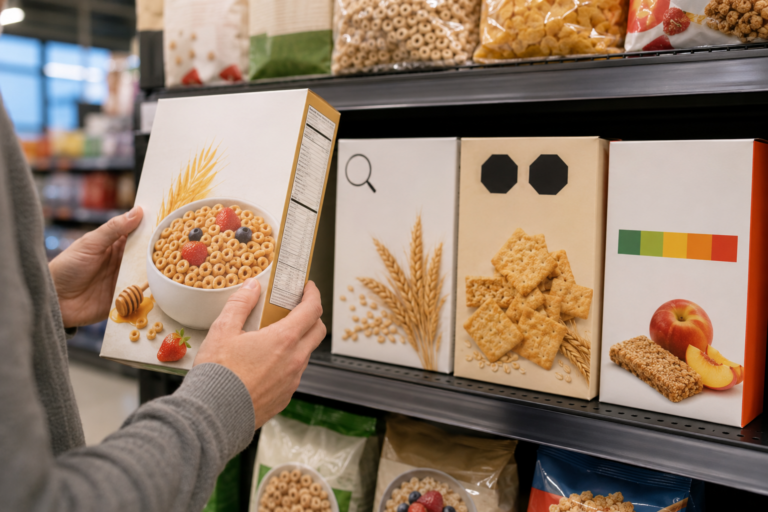
The protein obsession has escaped the gym. Protein now appears in coffee, cereal, chips, candy, water, ice cream, and products that never needed a nutritional makeover. In the United States, 71% of consumers said they were trying to eat protein in 2025, up from 59% in 2022, while 8 in 10 said they did not know or were unsure how much they needed, according to the International Food Information Council. That combination, intense interest plus widespread uncertainty, creates ideal conditions for marketing to outrun science.
Protein deserves attention. It supplies amino acids that help build and repair muscle, enzymes, hormones, immune proteins, skin, and other tissues. However, the useful question is not, “How can I get the most protein?” The useful questions are, “How much fits my body and goals, from which foods, and what does it replace?”
The short answer on the protein obsession
The short answer is nuanced. A healthy, sedentary adult can generally meet basic needs around the long-standing Recommended Dietary Allowance, or RDA, of 0.8 grams per kilogram of body weight per day. Meanwhile, older adults, people who train, and people losing weight may benefit from higher individualized targets, often around 1.0-1.6 g/kg/day. Some athletes use 1.4-2.0 g/kg/day, although returns usually shrink as intake rises. By contrast, people with chronic kidney disease may need a different plan and medical supervision.
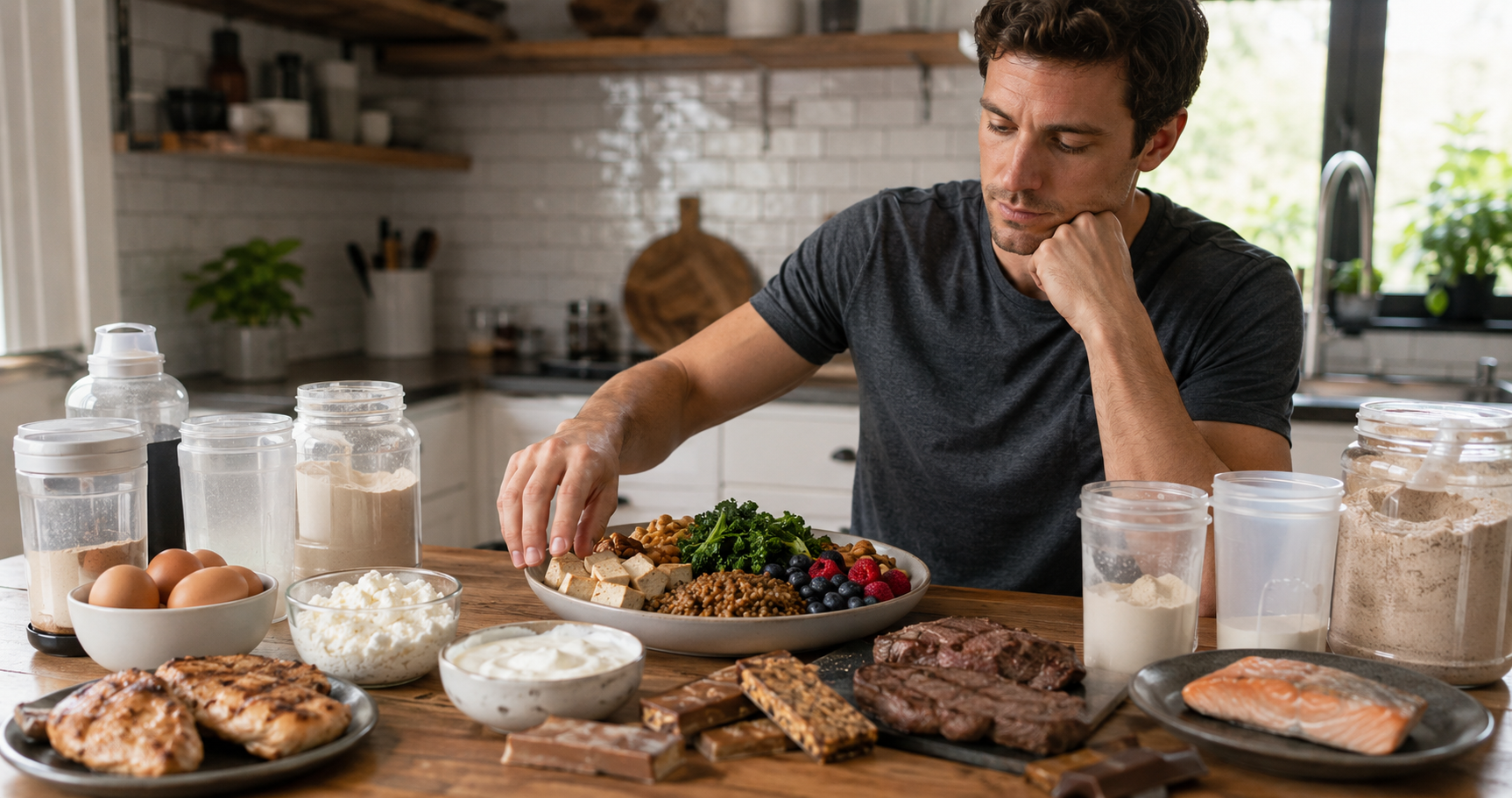
Most importantly, protein does not travel alone. Salmon brings omega-3 fats; lentils bring fiber and potassium; yogurt brings calcium; processed meat can bring sodium and saturated fat; and a frosted protein cookie can still be a frosted cookie. Therefore, the best protein strategy considers the entire food, the full dietary pattern, and the person’s health.
Bottom line: Get enough protein for your situation, spread it across meals, favor minimally processed foods, vary animal and plant sources, and protect fiber intake. More protein is not automatically better nutrition.
Protein obsession at a glance
| Question | Evidence-based answer |
|---|---|
| Do most healthy Americans have a protein deficiency? | No. National intake data show that average adult intake already exceeds the long-standing 0.8 g/kg RDA for many people. Individual needs still vary. |
| Is 0.8 g/kg the ideal target for everyone? | No. It is an adequacy benchmark for nearly all healthy adults, not a universal performance optimum or a maximum. |
| Do the current U.S. dietary guidelines give a higher number? | Yes. The 2025-2030 guidelines present a protein serving goal of 1.2-1.6 g/kg/day, adjusted for calories and individual needs. Experts continue to debate how broadly that target should apply. |
| Does extra protein build muscle by itself? | No. Resistance training supplies the main growth signal. Adequate protein supports the response. |
| Can protein help with weight loss? | Often, modestly. It may improve fullness and help preserve lean mass, but calories, food quality, resistance exercise, sleep, and adherence remain decisive. |
| Do healthy kidneys suffer from every high-protein diet? | Short-term trials in screened healthy adults do not show clear kidney damage. However, long-term evidence at very high intakes remains limited, and chronic kidney disease changes the calculation. |
| Is plant protein inferior? | Not as a dietary pattern. Individual plant foods vary in amino acids and digestibility, yet varied plant-based diets can meet needs and add fiber and other protective nutrients. |
| Are protein powders necessary? | Usually not. They can offer convenience, but whole foods can meet most people’s needs. |
| What is the biggest practical mistake? | Adding protein products without checking total intake, calories, fiber, sodium, saturated fat, added sugar, cost, or supplement quality. |
Why the protein obsession became so powerful
Protein gained a health halo
Diet culture often rotates through a favored nutrient. Fat carried the blame during the low-fat era, carbohydrates became the villain during the low-carb era, and protein now occupies the hero’s role. Unlike many diet trends, however, the protein story starts with real physiology. Protein supports muscle, and preserving muscle matters for strength, mobility, glucose disposal, recovery, and healthy aging.
Still, a truthful benefit can become an exaggerated promise. A product may add a few grams of protein and then imply superior health, even when it also contains refined starch, added sugar, sodium, or saturated fat. Researchers who examined more than 4,300 processed foods in Spain found that products with protein claims often relied on fortification and usually did not qualify as nutritionally healthy under the study’s profiling system. Although the food market differs by country, the lesson travels well: a protein claim does not grade the whole product. In other words, the protein obsession can create a health halo without improving the complete food. Read the open-access study in Nutrients.
Fitness culture moved into everyday eating
Bodybuilding once defined the public image of protein powder. Now, social media presents high-protein meal prep, macro tracking, cottage-cheese recipes, and protein desserts as general wellness. In addition, wearable devices and food apps turn grams into visible scores, which makes protein easy to track and easy to gamify.
Resistance training has also become more mainstream, and that shift brings genuine health benefits. Nevertheless, the fitness message often loses its context when it reaches a mass audience. The protein obsession then turns a sports-nutrition tool into a universal rule. Studies of trained adults under controlled conditions do not prove that every sedentary person needs a bodybuilder’s intake.
Weight-loss drugs changed the conversation
GLP-1 medicines can sharply reduce appetite and total food intake. Consequently, clinicians worry about whether patients obtain enough protein, vitamins, minerals, and fiber while losing weight. They also want to limit avoidable loss of lean tissue.
A 2025 joint advisory from four major professional organizations recommends adequate protein, nutrient-dense foods, and structured resistance training during GLP-1 therapy. However, it does not treat protein shakes as a complete solution. The advisory emphasizes that resistance exercise remains essential and that nutrition plans require individual assessment. See the joint clinical advisory indexed in PubMed.
The marketplace amplified the message
Companies can add whey, milk protein, soy, pea protein, or isolated amino acids to familiar products and charge a premium. Moreover, “high protein” offers a simple front-of-package message, while concepts such as dietary pattern, micronutrient density, and long-term risk resist a one-word label.
Consequently, the protein obsession rewards products that make one large number easy to see. The trend data show both demand and confusion:
| Indicator | Result | What it suggests | Source |
| U.S. consumers trying to eat protein, 2022 | 59% | Interest was already broad | IFIC |
| U.S. consumers trying to eat protein, 2023 | 67% | Interest rose quickly | IFIC |
| U.S. consumers trying to eat protein, 2025 | 71% | Protein became a mainstream goal | IFIC |
| Consumers unsure of their daily need, 2025 | About 8 in 10 | Demand exceeds practical knowledge | IFIC spotlight survey |
| High-protein products in a Mintel database, 2013 vs. 2023 | 289 vs. 1,230 | The analyzed product count more than quadrupled | Food Supplements and Biomaterials for Health |
These surveys describe attitudes, not physiological need. Even so, they explain why the protein obsession feels unavoidable.
What protein actually does in the body
Amino acids are raw materials and signals
Digestive enzymes break dietary protein into amino acids and small peptides. After absorption, the body uses them to build structural proteins, enzymes, transporters, antibodies, and signaling molecules. It also continually recycles amino acids from old proteins.
Nine amino acids count as essential because adults must obtain them from food. In contrast, the body can synthesize nonessential amino acids under ordinary conditions. Some become conditionally essential during illness, injury, or other metabolic stress.
Leucine receives special attention because it helps signal muscle protein synthesis through nutrient-sensing pathways that include mTORC1. Yet leucine works more like a trigger than a pile of bricks. The body still needs the other essential amino acids, an adequate total diet, and a training stimulus to build meaningful new muscle.
Muscle is always turning over
Muscle protein synthesis and muscle protein breakdown occur throughout the day. A protein-containing meal raises synthesis for a period, while resistance exercise sensitizes muscle to amino acids. Therefore, training and nutrition interact rather than compete.
Age, inactivity, energy deficit, illness, and training status can alter the response. For example, older muscle often shows “anabolic resistance,” which means it may respond less strongly to a small protein dose. That observation supports a higher per-meal dose or daily target for some older adults, especially alongside progressive resistance exercise.
The body can absorb more than 30 grams
The popular claim that the body can absorb only 20 or 30 grams of protein at once confuses absorption with muscle use. In fact, the intestine can absorb much larger amounts. However, one very large dose does not necessarily maximize muscle protein synthesis more effectively than several well-spaced doses.
For many adults, 20-40 grams per meal, or roughly 0.25-0.4 g/kg per meal, offers a useful planning range. The International Society of Sports Nutrition position stand supports that range for exercising adults. Still, body size, age, meal pattern, energy intake, and protein quality affect the response.
“Complete protein” matters less across a full day
Animal proteins generally provide all essential amino acids in favorable proportions and often have high digestibility. Soy also provides a strong amino acid profile, while many other plant foods contain less of one or more essential amino acids per serving.
Nevertheless, healthy adults do not need to combine beans and rice in the same bite. A varied diet across the day can provide complementary amino acids. Vegans may need somewhat more total protein because digestibility and amino acid density vary, but legumes, soy foods, seitan, nuts, seeds, and whole grains can form an adequate pattern.
How much protein do you really need?
Why two official-looking targets now coexist
The U.S. National Academies set the adult RDA at 0.8 g/kg/day. An RDA aims to cover the requirement of nearly all healthy people in a life-stage group. Therefore, it functions as an adequacy benchmark, not a universal athletic optimum and not a safety ceiling. The foundational reference remains the National Academies Dietary Reference Intake report.
By contrast, the official Dietary Guidelines for Americans, 2025-2030 now presents a protein serving goal of 1.2-1.6 g/kg/day, with adjustment for individual calorie needs. The guidelines also encourage protein foods at every meal and include both animal and plant sources.
Those numbers answer different policy questions, and the higher target has prompted scientific debate. The scientific foundation appendices draw heavily on evidence about nutrient adequacy and weight management, while also calling for longer randomized trials. Meanwhile, nutrition researchers interviewed by Johns Hopkins and PBS NewsHour questioned whether the evidence supports a blanket increase for the entire population. This tension now sits at the center of the protein obsession.
Consequently, neither slogan works well: “Everyone needs only 0.8” ignores performance, aging, and illness contexts, while “Everyone should eat 1.6” can overshoot need, calories, budget, or medical limits. Individualization remains the scientifically defensible approach.
Six protein reference points that people confuse
| Reference point | Value for a typical healthy adult | What it actually means |
| Estimated Average Requirement, or EAR | 0.66 g/kg/day | The estimated intake that meets the need of half of healthy adults in a group. It is not the recommended personal target. |
| Recommended Dietary Allowance, or RDA | 0.8 g/kg/day | The intake designed to meet the need of nearly all healthy adults. It is neither an athletic optimum nor a maximum. |
| Acceptable Macronutrient Distribution Range, or AMDR | 10-35% of daily calories | A broad energy-percentage range linked with nutrient adequacy and chronic-disease considerations. It does not specify an ideal gram target. |
| FDA Daily Value | 50 g/day on a 2,000-calorie label | A standard for comparing packaged foods. It does not adjust for body weight. |
| 2025-2030 U.S. guideline serving goal | 1.2-1.6 g/kg/day | A new food-pattern goal that should adjust for calories and individual needs. It did not replace the RDA-setting process. |
| Tolerable Upper Intake Level, or UL | No UL established | Evidence was insufficient to set one. The absence of a UL does not prove that unlimited intake is harmless. |
Sources: National Academies DRI report, FDA Daily Value guide, and Dietary Guidelines for Americans, 2025-2030.
Protein targets for healthy and active adults
| Person or situation | Practical daily range | Evidence context and caution |
| Healthy, mostly sedentary adult | 0.8 g/kg as the established RDA | Covers the needs of nearly all healthy adults by the DRI definition. It may not optimize every performance or aging goal. |
| General healthy adult following the 2025-2030 U.S. guideline | 1.2-1.6 g/kg | This is the new federal serving goal, not a newly established RDA. Adjust for calories, health, and dietary pattern. |
| Active adult or recreational lifter | About 1.2-1.6 g/kg | Often sufficient to support training adaptation when calories and resistance training are adequate. |
| Competitive or high-volume athlete | About 1.4-2.0 g/kg | Supported by sports-nutrition guidance; needs rise with training load, sport, and energy availability. |
| Adult in a calorie deficit who wants to preserve lean mass | Often 1.2-1.6 g/kg, sometimes higher for lean trained athletes | The larger deficit and lower body fat can raise the useful target. Use a professional plan for aggressive dieting. |
| Healthy older adult | Often 1.0-1.2 g/kg | Expert groups propose this range to address anabolic resistance, especially with resistance exercise. |
Protein targets during illness and major life stages
| Person or situation | Practical daily range | Evidence context and caution |
| Older adult with acute or chronic illness | Often 1.2-1.5 g/kg if medically appropriate | Disease type, kidney function, appetite, frailty, and treatment can change the plan. |
| Pregnancy | RDA 1.1 g/kg using pre-pregnancy or clinician-directed reference weight | Avoid self-prescribed high-protein or restrictive diets; obstetric guidance comes first. |
| Lactation | RDA 1.3 g/kg | Energy intake, milk production, body size, and health can change practical planning. |
| Chronic kidney disease stages G3-G5 | Often around 0.8 g/kg, individualized | KDIGO advises avoiding high intake above 1.3 g/kg in adults at risk of progression. Frailty or wasting may change priorities. |
Additional sources: National Academies, National Academies protein requirements presentation, ISSN, PROT-AGE Study Group, and KDIGO 2024 CKD guideline. These ranges guide discussion; they do not diagnose an individual need.
A calculator table by body weight
Use this formula:
Daily protein in grams = body weight in kilograms x target in g/kg
To convert pounds to kilograms, divide pounds by 2.205. Alternatively, multiply pounds by 0.36 for the 0.8 g/kg RDA, 0.54 for 1.2 g/kg, or 0.73 for 1.6 g/kg.
| Body weight | 0.8 g/kg | 1.2 g/kg | 1.6 g/kg | 2.0 g/kg |
| 50 kg / 110 lb | 40 g | 60 g | 80 g | 100 g |
| 60 kg / 132 lb | 48 g | 72 g | 96 g | 120 g |
| 70 kg / 154 lb | 56 g | 84 g | 112 g | 140 g |
| 80 kg / 176 lb | 64 g | 96 g | 128 g | 160 g |
| 90 kg / 198 lb | 72 g | 108 g | 144 g | 180 g |
| 100 kg / 220 lb | 80 g | 120 g | 160 g | 200 g |
This simple calculation has limits. For example, clinicians may use an adjusted or reference weight for someone with obesity, edema, amputation, or major recent weight change. Pregnancy, growth, frailty, burns, surgery, cancer treatment, and organ disease also need more specific assessment.
What Americans currently eat
National data do not support the idea that the average American eats almost no protein. In the USDA’s usual-intake analysis from What We Eat in America, NHANES 2017-March 2020, adult men age 19 and older averaged 93.9 grams per day, while adult women averaged 68.7 grams. Median intake reached 91.9 grams for men and 67.4 grams for women. Therefore, the protein obsession does not reflect a population-wide absence of protein. Review the USDA usual nutrient intake tables.
However, grams alone cannot establish whether every person met a weight-based target. Men and women differ in body size, energy intake, age, and activity. Moreover, population averages can hide people with low intake, especially adults with poor appetite, food insecurity, illness, or highly restrictive diets.
The same USDA tables expose a more consistent shortfall: adult men averaged only 18.1 grams of fiber per day, and adult women averaged 15.1 grams. In that analysis, just 4% of adult men and 11% of adult women exceeded their age-specific Adequate Intake for fiber. Therefore, adding protein while ignoring fiber can intensify the wrong nutrition problem.
What the science says protein can do
Support strength and muscle gain
Protein supports resistance-training adaptations, but training provides the essential stimulus. A landmark meta-analysis of 49 trials found that protein supplementation modestly improved strength and fat-free mass during prolonged resistance training. Its dose-response analysis suggested that gains stopped rising clearly around 1.62 g/kg/day of total protein, although the confidence interval around that breakpoint was wide. See the 2018 meta-analysis in the British Journal of Sports Medicine.
Later analyses reached a similar practical conclusion. A 2020 dose-response meta-analysis found small additional lean-mass gains as daily protein rose, especially with resistance training, but the curve flattened. Likewise, a 2022 systematic review and meta-analysis concluded that higher intake can produce small lean-mass gains, with resistance exercise driving the clearest response.
Therefore, a person already consuming 1.6 g/kg and following a good program should not expect a dramatic change from pushing to 2.5 g/kg. The protein obsession often hides those diminishing returns. Better programming, recovery, total energy, and consistency may offer more value.
Help preserve muscle during weight loss
Calorie restriction causes the body to lose some lean tissue along with fat. Higher protein, especially when paired with resistance training, can reduce that loss. However, it cannot guarantee that every kilogram lost will come from fat.
Systematic reviews show modest advantages for higher-protein, energy-restricted diets in body weight, fat mass, triglycerides, and fullness. For example, the Wycherley meta-analysis reported small improvements compared with standard-protein diets. Another systematic review in the European Journal of Clinical Nutrition reached broadly similar conclusions but emphasized limited long-term adherence data.
In practice, a sustainable calorie deficit, resistance exercise, and adequate sleep remain central. Protein can support the plan; it cannot rescue an unsustainable one.
Increase fullness, at least in the short term
Higher-protein meals often reduce hunger more than lower-protein comparison meals. Mechanistically, protein can influence ghrelin, cholecystokinin, GLP-1, peptide YY, and other appetite signals. A 2020 meta-analysis of acute feeding trials found greater fullness and favorable changes in several appetite hormones after higher-protein meals.
Still, acute fullness does not guarantee lasting weight loss. Palatability, food texture, energy density, habit, stress, sleep, access, and adherence all shape how much people eat over months or years. Additionally, drinking calories may feel less filling than chewing a meal, even when the label lists the same protein.
Improve a very short experiment without making ultra-processed food ideal
A 2025 metabolic-ward crossover trial tested protein-enriched ultra-processed diets in 21 adults for 54 hours per condition. Participants ate about 196 fewer calories per day on the 30%-protein diet than on the 13%-protein comparison, and energy expenditure rose by about 128 calories per day. Nevertheless, participants still overconsumed calories on the ultra-processed high-protein diet. Read the trial in Nature Metabolism.
Because the experiment lasted only a little more than two days per condition, it cannot establish long-term weight, cardiovascular, or gut outcomes. It does show why “higher protein” and “healthy” should remain separate judgments.
Support healthy aging when paired with exercise
Older adults face a higher risk of sarcopenia, frailty, falls, and disability. Therefore, many expert groups recommend 1.0-1.2 g/kg/day for healthy older people and 1.2-1.5 g/kg/day during illness when medically appropriate. The PROT-AGE position paper summarizes that rationale.
However, protein alone produces limited functional change. A meta-analysis of 65 studies and 2,907 participants found that additional protein increased lean body mass by about 0.62 kg overall and 0.46 kg in older adults, yet it did not clearly improve several strength measures by itself. Explore the 2020 meta-analysis.
Consequently, the more complete prescription includes progressive resistance training, adequate calories, balance and power work when appropriate, and treatment of underlying disease. A protein drink without a movement plan addresses only one part of the problem.
When more protein stops helping
Diminishing returns are real
The body has no dedicated storage tank for surplus amino acids. It can use dietary protein for tissue synthesis, enzymes, signaling molecules, and other compounds. Alternatively, it can oxidize amino acids for energy, convert their carbon skeletons, and excrete nitrogen mainly as urea.
Therefore, protein above a useful range still counts as energy, at roughly four calories per gram. An extra 75 grams supplies about 300 calories before considering the rest of the product. Those calories may fit an athlete’s plan, but they can also erase a calorie deficit. The protein obsession rarely puts that calorie math on the front label.
Opportunity cost matters
Every diet has a limited calorie, appetite, money, and attention budget. If a person chases 180 grams of protein with bars, meat, shakes, and low-fiber snacks, fewer resources may remain for vegetables, fruit, legumes, whole grains, nuts, and seeds.
Meanwhile, those displaced foods provide fiber, potassium, magnesium, folate, vitamin C, polyphenols, and unsaturated fats. The problem is not a magical toxicity threshold. Instead, it is the nutritional pattern created by the chase.
Protein timing is secondary to daily intake
Sports marketing often implies a narrow post-workout “anabolic window.” In reality, muscle remains more responsive to protein for many hours after resistance exercise. A meal or shake near training can be convenient, but missing an immediate 30-minute window does not waste the workout.
Overall daily protein and a reasonable distribution across meals matter more. For example, a person targeting 100 grams might aim for roughly 25-35 grams at three meals plus a smaller snack, rather than 10 grams at breakfast and 70 grams before bed.
Potential risks, trade-offs, and unanswered questions
Healthy kidneys and chronic kidney disease are different cases
Protein metabolism increases nitrogen waste, and the kidneys excrete much of it. Higher intake can also raise glomerular filtration. However, a higher filtration rate does not automatically equal kidney damage in a healthy person.
A meta-analysis of 28 trials involving 1,358 adults found no adverse change in kidney function from higher-protein diets in screened participants, although filtration rose slightly within the normal range. Review the 2018 meta-analysis. Similarly, another systematic review found little evidence of harmful changes in conventional kidney markers.
Nevertheless, most trials lasted less than six months, enrolled relatively healthy people, and did not settle lifetime safety at extreme intakes. Kidney stones, genetic susceptibility, diabetes, hypertension, and unrecognized kidney disease also complicate broad reassurance.
Chronic kidney disease requires a different framework. The KDIGO 2024 guideline suggests about 0.8 g/kg/day for adults with CKD stages G3-G5 and advises avoiding intake above 1.3 g/kg/day in adults at risk of progression. Yet clinicians may prioritize more protein for frail older patients, people with wasting, or those receiving specific dialysis treatments. Therefore, neither aggressive loading nor aggressive restriction belongs in a self-directed CKD experiment. This clinical boundary is one that the protein obsession can easily erase.
Extreme restriction can also harm
A 2026 case report illustrates the opposite danger. It described a 73-year-old man with stage G4 CKD who adopted an unsupervised, extremely low-protein diet. He consumed about 30.9 grams per day, or 0.49 g/kg of ideal body weight, and later cut intake to 22.7 grams, or 0.36 g/kg. His pattern supplied only 0.37 mg of thiamine per day, less than one-third of the cited recommendation, and he developed Wernicke encephalopathy. Intravenous thiamine improved his neurological symptoms. Read the case report in Internal Medicine.
A case report cannot estimate how often this happens or prove that low protein alone caused the deficiency. Still, it demonstrates how a one-nutrient fixation can produce a dangerously unbalanced diet. In this case, the patient tried to protect his kidneys yet created severe vitamin B1 deficiency through extreme food restriction.
Cardiovascular outcomes depend heavily on the protein package
Observational research often finds a clearer signal for source than for total protein. A large BMJ systematic review and dose-response meta-analysis combined 32 prospective studies, 715,128 participants, and 113,039 deaths. Compared with the lowest intake group, the highest plant-protein group had an 8% lower relative risk of all-cause mortality and a 12% lower relative risk of cardiovascular mortality. Moreover, each additional 3% of daily energy from plant protein correlated with a 5% lower relative risk of death from all causes. Likewise, a Japanese cohort of 70,696 adults linked more plant protein, especially when it replaced red or processed meat, with lower total and cardiovascular mortality. See the JAMA Internal Medicine cohort study.
However, cohorts cannot prove that protein source caused the outcome. Plant-protein eaters may differ in smoking, activity, education, income, medical care, and the rest of their diet. Researchers adjust for many factors, but residual confounding remains.
The practical signal still makes biological and nutritional sense. Beans, lentils, nuts, and soy usually bring fiber and unsaturated fat. In contrast, processed meats often bring sodium, saturated fat, heme iron, and preservatives. Therefore, replacing some processed or red meat with legumes, fish, or minimally processed soy changes much more than amino acids. Such a gram-only view of the protein obsession misses that substitution effect.
A leucine study does not prove that ordinary protein causes heart attacks
A 2024 Nature Metabolism paper attracted attention by linking high protein, leucine, macrophage mTORC1 signaling, and atherosclerosis. The researchers combined small acute human meal studies with cell and mouse experiments. Their human experiments involved only 9 and 12 participants, while the atherosclerosis evidence came mainly from mechanistic models. Read the original study.
Consequently, the paper offers a plausible mechanism, not a clinical threshold that predicts heart attacks in humans. It does not justify telling everyone to fear leucine or cap protein at one exact percentage. Longer human trials with clinical outcomes would need to test that inference.
Cancer claims need similar restraint
Protein does not have a single, proven cancer effect. Some observational studies connect high animal-protein patterns or certain meat sources with risk, while mechanistic work examines IGF-1, mTOR, heme iron, cooking products, and other pathways. Yet total protein, red meat, processed meat, fish, dairy, soy, and legumes are not interchangeable exposures.
For processed meat, the World Health Organization’s cancer Q&A explains that the evidence supports limiting processed meat, while the risk from red meat depends on amount and context. Therefore, an evidence-based article should not compress the issue into “protein causes cancer” or “protein prevents cancer.”
Bone health does not support the old acid-ash scare
Older theories claimed that animal protein acidified the body and pulled calcium from bone. Human evidence has not supported that simple model. A systematic review and meta-analysis found moderate evidence that higher protein may modestly support lumbar-spine bone mineral density, with no convincing evidence of the predicted bone harm. See the National Osteoporosis Foundation review.
Even so, protein alone cannot maintain bone. Calcium, vitamin D, resistance and impact exercise, sex hormones, energy availability, and medication use also matter. In addition, a shake that displaces calcium-rich or micronutrient-rich foods may undermine the broader goal.
Gut effects depend on what accompanies protein
Gut microbes ferment carbohydrates and proteins that reach the colon. Fiber fermentation often produces short-chain fatty acids such as butyrate, which support colon cells and other functions. By contrast, protein fermentation can produce a mixture of compounds, some potentially harmful at high concentrations and some neutral or useful.
Small controlled studies show that diet can shift microbial activity quickly. In a 2014 feeding study, animal-based and plant-based diets changed the gut microbiome within days. Another four-week trial found that high-protein, reduced-carbohydrate diets lowered fecal butyrate and changed microbial metabolites. However, those short experiments did not show who later developed disease.
A randomized trial in overweight adults also found that protein quantity and source changed microbial metabolites and rectal-mucosa gene expression, but it did not show overt intestinal inflammation. See the 2017 trial. Therefore, headlines about high protein “rotting in the colon” go far beyond the evidence.
The more defensible concern involves high protein plus low fiber, not protein in isolation. Meanwhile, a high-protein versus high-fiber poster summarizes this hypothesis and related literature, but it is a student literature poster rather than a new clinical trial. Its useful message is to study the pattern; its format cannot prove health outcomes. View the ScienceOpen record.
The fiber gap may matter more than the protein gap
Fiber is the nutrient that many adults actually miss
Older U.S. dietary guidance reported that more than 90% of women and 97% of men fell below recommended fiber intake. The newer USDA usual-intake tables also show low averages and very low rates of meeting the Adequate Intake. In contrast, average protein intake looks comparatively robust.
Therefore, consumers should ask a second question whenever they add protein: “Where is the fiber?” A day built around eggs, chicken, whey, cheese, jerky, and protein bars can reach an impressive protein total while supplying very little fermentable carbohydrate. In practice, the fiber gap offers a powerful counterweight to the protein obsession.
How much fiber should accompany a high-protein diet?
The long-standing U.S. Adequate Intake equates to about 14 grams per 1,000 calories. That works out to roughly 25 grams per day for many younger adult women and 38 grams for many younger adult men, with lower reference amounts after age 50 because average calorie needs fall.
However, jumping from 10 grams to 35 grams overnight can cause bloating. Increase fiber gradually, drink adequate fluid, and vary sources. People with strictures, severe gastrointestinal disease, or a clinician-prescribed low-fiber diet need tailored advice.
Pair protein and fiber in the same eating pattern
| Protein-focused choice | Fiber problem | More balanced alternative |
| Whey shake with water | No fiber and limited micronutrient variety | Blend with berries, oats, ground flax, or chia if calories and tolerance allow |
| Eggs and cheese only | Protein-rich but fiber-free | Add whole-grain toast, beans, fruit, or vegetables |
| Chicken and white rice | Minimal fiber unless portions include plants | Add lentils, roasted vegetables, brown rice, or a bean salad |
| Jerky as the default snack | Often high in sodium and fiber-free | Rotate with edamame, roasted chickpeas, fruit plus nuts, or yogurt plus berries |
| Protein bar | Fiber quality, sweeteners, and calories vary | Compare the full label, or choose minimally processed food when practical |
| Meat-heavy dinner | Can crowd out plants | Use a smaller meat portion and add beans, whole grains, and two vegetables |
Fiber interventions can influence microbes and metabolism, although results vary by person and food. A randomized study of fiber-rich diets found an increase in microbiome functional capacity but not a universal drop in inflammatory markers. Meanwhile, fermented foods increased diversity and lowered several inflammatory markers in that small trial. Read the 2021 Cell study. The result reinforces a broad principle: diversity matters more than one heroic nutrient.
Protein quality: source, food matrix, and processing
Think in protein packages, not isolated grams
Harvard researchers often use the term “protein package” to describe everything that arrives with the amino acids. Their protein overview and a 2025 expert interview emphasize that source and substitution shape long-term health more than a gram count alone. Consequently, the protein package corrects a central blind spot in the protein obsession.
Consider five foods that can each help raise protein:
| Food | Protein comes with | Main trade-off to watch |
| Lentils | Fiber, folate, potassium, resistant starch, polyphenols | Gastrointestinal tolerance; canned versions may add sodium |
| Salmon | Omega-3 fats, vitamin B12, selenium | Cost, sustainability, and species-specific contaminant guidance |
| Plain Greek yogurt | Calcium, vitamin B12, potassium, live cultures in some products | Added sugar in flavored versions; dairy intolerance |
| Chicken breast | Concentrated protein, niacin, vitamin B6 | Preparation method, sodium in brined products, lack of fiber |
| Processed meat | Iron, vitamin B12, convenient protein | Sodium, preservatives, saturated fat in some products, and stronger chronic-disease concerns |
No single row defines an entire diet. Nevertheless, repeating one package every day magnifies its advantages and disadvantages.
Plant and animal protein can coexist
The science does not require a tribal choice between steak and tofu. Animal foods can efficiently provide protein, vitamin B12, iron, zinc, calcium, and omega-3 fats, depending on the source. Meanwhile, plant foods can provide enough protein while adding fiber, unsaturated fats, potassium, and phytochemicals.
A flexitarian strategy often captures both sets of benefits. For example, use lentils to replace part of the ground meat in chili, choose tofu or beans for some lunches, include fish when appropriate, and keep processed meat occasional. As a result, the diet changes source, fiber, fat quality, environmental impact, and food variety at the same time.
Approximate protein and fiber values
Values vary by brand, species, preparation, and serving weight. Therefore, use this table for planning rather than laboratory precision. The values align with typical entries in USDA FoodData Central.
Animal and dairy protein foods
| Food and serving | Protein | Fiber | Useful context |
| Chicken breast, cooked, 3 oz / 85 g | About 26 g | 0 g | Lean and protein-dense; check sodium if enhanced or brined |
| Tilapia, cooked, 3 oz / 85 g | About 22 g | 0 g | Lean seafood option |
| Shrimp, cooked, 3 oz / 85 g | About 20 g | 0 g | Protein-dense; sodium varies by processing |
| Plain Greek yogurt, 6 oz / 170 g | About 15-18 g | 0 g | Brand and fat level change calories and protein |
| Cottage cheese, 1/2 cup | About 12-14 g | 0 g | Convenient; sodium can be high |
| Egg, 1 large | About 6 g | 0 g | Nutrient-dense but not a 20-gram serving by itself |
| Cow’s milk, 1 cup | About 8 g | 0 g | Also supplies calcium and fortified vitamin D in the U.S. |
Plant protein foods
| Food and serving | Protein | Fiber | Useful context |
| Firm tofu, 3 oz / 85 g | About 8-10 g | About 1 g | Calcium varies by coagulant and brand |
| Tempeh, 3 oz / 85 g | About 16-17 g | About 5-6 g | Fermented soy with more fiber than tofu |
| Lentils, cooked, 1/2 cup | About 9 g | About 8 g | Strong protein-fiber combination |
| Black beans, cooked, 1/2 cup | About 8 g | About 7-8 g | Also supplies potassium and folate |
| Chickpeas, cooked, 1/2 cup | About 7 g | About 6 g | Works in salads, soups, curries, and hummus |
| Edamame, cooked, 1/2 cup | About 9 g | About 4 g | Complete soy protein plus fiber |
| Quinoa, cooked, 1 cup | About 8 g | About 5 g | More useful as a mixed meal than a concentrated protein |
| Oats, cooked, 1 cup | About 6 g | About 4 g | Adds soluble fiber; combine with milk, soy, yogurt, nuts, or seeds |
| Almonds, 1 oz / 28 g | About 6 g | About 3.5 g | Energy-dense, with unsaturated fat |
| Green peas, cooked, 1/2 cup | About 4 g | About 4 g | A vegetable that contributes both protein and fiber |
Moreover, the table explains why comparing foods only by protein grams misleads. Lentils provide less protein per calorie than chicken, yet they make a much larger fiber contribution. A balanced diet can use each food for what it does well.
Protein powders, bars, and fortified foods
A supplement can solve convenience, not dietary quality
Protein powder can help an athlete with high energy needs, an older adult with low appetite, a vegan who struggles to reach a target, or a patient whose clinician recommends it. It can also offer a portable option after training. However, powder is not inherently more anabolic than food when total protein, amino acid quality, and timing are similar. The protein obsession often markets convenience as physiological superiority.
Whole foods usually offer more texture, micronutrients, and satiety. In addition, they make it easier to build a meal rather than consume an isolated nutrient. The right question is not “Is powder bad?” It is “What problem does this powder solve, and what does it add or replace?”
How to read a protein product label
| Label check | What to look for | Why it matters |
| Serving size | Compare the listed scoop, bottle, or bar with what you actually use | Two scoops double calories and every nutrient, not just protein |
| Protein grams | Calculate how much the serving contributes to your target | A large front-label number may reflect a large serving |
| Calories | Compare protein with total energy | A 20-gram protein cookie may still deliver dessert-level calories |
| Added sugar | Check grams and % Daily Value | Protein does not cancel added sugar |
| Saturated fat | Check grams and % Daily Value | Dairy, chocolate coatings, and coconut ingredients can raise it |
| Sodium | Compare products, especially jerky, soups, bars, and ready-to-drink shakes | High sodium can matter for blood pressure, heart failure, and kidney disease |
| Fiber | Look for meaningful food-based sources and assess tolerance | Some isolated fibers or sugar alcohols cause bloating in sensitive people |
| Ingredient list | Note protein source, sweeteners, thickeners, allergens, and stimulants | “Proprietary blends” can hide individual amounts |
| Independent verification | Look for credible third-party programs where relevant | Verification can reduce, but not eliminate, contamination and labeling risk |
| Cost per 20-25 g protein | Divide price by usable servings | Eggs, milk, beans, canned fish, tofu, or bulk yogurt may cost less |
The FDA uses 50 grams as the Daily Value for protein on a 2,000-calorie label, but that number does not replace a weight-based personal target. Furthermore, U.S. rules make protein content claims more complex than simply counting grams because protein quality can affect the declared percentage. See the FDA Daily Value guide and federal nutrient-claim regulation.
Supplements do not receive drug-style preapproval
The FDA does not approve dietary supplements for safety and effectiveness before sale in the way it approves drugs. Manufacturers carry primary responsibility for lawful products and truthful labels. Read the FDA supplement Q&A.
Therefore, competitive athletes and cautious consumers may prefer products verified by an independent program. NSF Certified for Sport guidance from USADA focuses on reducing banned-substance risk, while the USP Verified Mark addresses identity, strength, contaminants, and manufacturing quality. No seal can make an unnecessary supplement necessary.
Collagen and BCAAs deserve realistic expectations
Collagen supplies large amounts of glycine, proline, and hydroxyproline, which makes it different from whey, egg, soy, or mixed food proteins. However, collagen lacks tryptophan and provides relatively little leucine. Therefore, it should not serve as the sole protein source for muscle gain or total daily adequacy.
Branched-chain amino acid supplements also supply only three amino acids. If a person already eats enough high-quality protein, BCAAs usually add little because the body needs all essential amino acids to build complete muscle proteins. A full meal, whey, dairy, egg, soy, or a well-designed plant blend generally offers a more complete substrate.
Protein, longevity, and the limits of animal evidence
Why lower-protein diets extend life in laboratory models
Calorie restriction and protein or amino acid restriction can alter nutrient-sensing pathways, including mTORC1, GCN2, FGF21, and insulin-related signaling. In yeast, flies, and rodents, lower protein or restriction of specific amino acids such as methionine, isoleucine, and valine can improve metabolic health and sometimes extend lifespan.
A 2026 in-press review, The Hallmarks of Protein and Amino Acid Restriction in Aging and Longevity, organizes these findings around metabolic health, nutrient sensing, senescence, mitochondrial function, epigenetics, and healthy aging. It also stresses major unknowns, including the optimal degree of restriction and the populations that should not restrict. Read the review DOI.
Human trials remain short and outcome-limited
Small human experiments show that short-term protein restriction can raise FGF21, alter energy expenditure, and improve some metabolic markers. For example, a five-week study in lean men reported improved insulin sensitivity under controlled protein restriction. These findings complicate the protein obsession, but they do not establish a human longevity diet. See the 2025 Nature Metabolism study.
Yet no short trial can show that a diet adds years to human life. Moreover, a biomarker change does not automatically predict fewer heart attacks, less cancer, or lower mortality. Long-lived rodents also differ from humans in lifespan, environment, infection exposure, food choice, and the cost of losing muscle.
The evidence ladder prevents false certainty
| Claim | Best available evidence | Confidence for practical advice |
| Adequate protein prevents deficiency | Human requirement studies and decades of clinical nutrition | High |
| Higher protein supports resistance-training gains | Multiple randomized trials and meta-analyses | Moderate to high |
| Higher protein helps preserve lean mass during calorie restriction | Randomized trials and meta-analyses | Moderate |
| Protein increases short-term fullness | Acute controlled feeding trials and meta-analysis | Moderate |
| A specific very-high intake is safe for every healthy adult for decades | Mostly shorter trials with selected participants | Low |
| Restricting protein extends human lifespan | Short metabolic trials, cohorts, and strong animal evidence | Low |
| Restricting methionine, isoleucine, or valine extends human lifespan | Mainly cell and animal research | Very low |
| One leucine threshold causes human atherosclerosis | Small acute human studies plus mechanistic animal work | Very low |
Therefore, longevity research should generate hypotheses, not encourage older adults to starve muscle of amino acids. Pregnancy, childhood, recovery from injury, eating disorders, frailty, intense training, and many illnesses also make unsupervised restriction especially risky.
Environmental cost is part of the protein package
Protein sources have very different footprints
Food production contributes to greenhouse gas emissions, land use, water pollution, and biodiversity loss. A major analysis covering about 38,700 farms, 119 countries, and 40 food products found large differences both between and within food categories. Read the 2018 Science study by Poore and Nemecek.
On average, beef produces far more greenhouse gas emissions per 100 grams of protein than beans, peas, tofu, or nuts. Production methods can shift the exact number, but they do not erase the broad gap. The Our World in Data comparison explains the dataset and its uncertainty.
Consequently, a person can reduce dietary impact without becoming vegan overnight. Replacing some beef and processed meat meals with lentils, beans, peas, tofu, tempeh, or lower-impact animal sources can produce a larger environmental change than obsessing over packaging details. This wider lens places environmental cost inside the protein obsession debate.
Sustainability can align with health
Legumes illustrate the overlap. They provide protein, fiber, folate, potassium, and slowly digested carbohydrate while generally carrying a lower environmental footprint than ruminant meat. Nevertheless, access, culture, allergies, gastrointestinal tolerance, and local agriculture all affect the best practical choice.
The goal should remain dietary improvement, not purity. A flexible pattern that people can afford and sustain will usually outperform an idealized plan they abandon.
A practical, evidence-based protein plan
Step 1: Define the goal before counting grams
First, identify whether the goal involves basic adequacy, muscle gain, athletic recovery, healthy aging, weight loss, medical nutrition, or convenience. A sedentary 30-year-old, a 75-year-old recovering from hospitalization, and a competitive cyclist should not receive the same automatic target. Goal-setting turns the protein obsession into a specific nutrition decision.
Next, check for conditions that change the calculation. Kidney disease, liver disease, pregnancy, an eating disorder, active cancer treatment, recent surgery, severe gastrointestinal disease, or GLP-1 therapy deserves professional input.
Finally, choose a range rather than a magic number. Daily intake naturally varies, and the weekly pattern matters more than hitting 112 grams with perfect precision every day.
Step 2: Audit current intake for three representative days
Record two ordinary weekdays and one weekend day. Include portions, drinks, snacks, and supplements. Then compare the average with a reasonable target.
However, do not stop at protein. Audit fiber, fruit, vegetables, whole grains, legumes, sodium, saturated fat, added sugar, and total calories. This second layer reveals whether the protein goal improves or distorts the diet.
Step 3: Distribute protein across meals
Many people eat little protein at breakfast and a very large amount at dinner. Instead, use three or four meaningful opportunities. A practical target might look like this for a 70 kg active adult aiming for 1.4 g/kg, or about 98 grams:
| Eating occasion | Example | Approximate protein |
| Breakfast | Plain Greek yogurt, oats, berries, and nuts | 25 g |
| Lunch | Lentil and quinoa bowl with vegetables and tahini | 25 g |
| Snack | Milk or fortified soy milk plus fruit | 8-10 g |
| Dinner | Salmon or tofu, potatoes, and two vegetables | 35-40 g |
| Daily total | Varied whole-food pattern | About 93-100 g |
This menu is an illustration, not a prescription. Portion sizes, allergies, culture, budget, and energy needs should shape the actual plan.
Step 4: Use a protein-plus-fiber plate
At most meals, combine:
- A protein anchor, such as beans, lentils, tofu, tempeh, fish, eggs, poultry, yogurt, or lean unprocessed meat.
- At least one fiber-rich plant, such as vegetables, fruit, legumes, or a whole grain.
- An energy source that fits the goal, such as potatoes, oats, brown rice, whole-grain bread, corn, or fruit.
- A source of unsaturated fat when appropriate, such as nuts, seeds, avocado, or olive oil.
As a result, the meal supplies amino acids without turning every calorie into a protein-delivery vehicle.
Step 5: Upgrade with substitutions
Substitution matters because people rarely add one food without changing another. For example:
| Instead of | Try | Why the swap can help |
| Processed meat at breakfast every day | Eggs plus beans, yogurt plus oats, or tofu scramble | Reduces processed meat frequency and can add fiber |
| A low-protein pastry | Oatmeal with milk or soy milk, berries, and nuts | Adds protein, fiber, and micronutrients |
| A candy-style protein bar | Fruit with yogurt, edamame, or nuts | Often reduces ingredient complexity and adds food volume |
| A double meat portion | A moderate portion plus lentils or beans | Preserves protein while increasing fiber and variety |
| Plain whey shake after every workout | A regular meal when convenient | Food works when timing and total intake already fit |
| Sugary cereal marketed with protein | Less-sweet whole-grain cereal plus milk, soy milk, or yogurt | Lets the base food provide more fiber and less added sugar |
Step 6: Reassess outcomes, not social-media rules
Track strength, training recovery, hunger, bowel regularity, weight trend if relevant, energy, and adherence. Meanwhile, clinicians may track kidney function, glucose, lipids, or nutritional status when indicated.
If the plan causes constipation, constant fullness, rising grocery costs, supplement dependence, or loss of food variety, revise it. Conversely, an older adult with poor appetite and unintentional weight loss may need easier protein, more calories, and urgent evaluation rather than a fiber-heavy volume strategy.
Sample high-protein days that still respect the whole diet
Omnivorous day, roughly 100-115 grams
| Meal | Example | Protein estimate | Fiber contribution |
| Breakfast | 6 oz Greek yogurt, 1/2 cup oats, berries, and 1 oz almonds | 28-32 g | About 8-10 g |
| Lunch | Whole-grain wrap with 3 oz chicken, hummus, and vegetables; piece of fruit | 30-35 g | About 10-12 g |
| Snack | 1 cup milk and a banana | 8 g | About 3 g |
| Dinner | 3-4 oz salmon, 1/2 cup lentils, roasted vegetables, and potatoes | 35-40 g | About 12-15 g |
Plant-based day, roughly 95-110 grams
| Meal | Example | Protein estimate | Fiber contribution |
| Breakfast | Oats cooked in fortified soy milk with chia, peanut butter, and berries | 22-27 g | About 12-15 g |
| Lunch | Tofu and edamame grain bowl with vegetables | 30-35 g | About 12-16 g |
| Snack | Roasted chickpeas and fruit | 10-12 g | About 8-10 g |
| Dinner | Lentil pasta with tomato sauce, mushrooms, spinach, and nutritional yeast | 30-36 g | About 15-20 g |
These examples can exceed some people’s calorie needs and undershoot others. Therefore, adjust portions rather than treating the menus as universal prescriptions. A sample menu should guide the protein obsession toward balanced meals, not impose a rigid template. Plant-based eaters should also plan vitamin B12 and assess iron, calcium, iodine, vitamin D, zinc, and omega-3 sources.
Budget-friendly protein without the premium label
Protein-branded products often charge for convenience and marketing. Instead, compare them with dry or canned beans, lentils, eggs, milk, powdered milk, canned tuna or salmon, peanut butter, tofu, bulk plain yogurt, and frozen edamame.
For example, combining lentils with grains creates multiple meals at low cost and adds fiber. Canned beans reduce preparation time; rinsing can lower surface sodium. Meanwhile, powdered milk can enrich oatmeal, soups, or yogurt without buying a specialty shake.
Protein myths versus scientific reality
The protein obsession survives partly through memorable myths. However, the evidence supports more precise answers.
| Myth | What the evidence says |
| Everyone needs 150 grams of protein | Body weight, age, training, energy intake, health, and goals determine a useful range. |
| The RDA is the perfect target for every athlete | The RDA addresses adequacy for healthy adults. Athletes often benefit from more. |
| The new U.S. guideline proves everyone was protein deficient | A population serving goal does not diagnose deficiency, and national averages show substantial existing intake. |
| More protein always means more muscle | Resistance training, calories, sleep, and diminishing returns limit the response. |
| The body wastes everything above 30 grams in one meal | It absorbs the protein, but muscle protein synthesis does not rise without limit from one dose. |
| Plant proteins are useless | Varied plant foods can meet amino acid needs and add fiber, minerals, and unsaturated fats. |
| Protein automatically damages healthy kidneys | Short-term trials in screened healthy adults do not show clear damage. CKD and long-term extreme intake require different caution. |
| A high-protein label means a healthy food | The whole nutrition label and ingredient list still matter. |
| Protein powder is required after every workout | A regular protein-containing meal can work. Convenience, not magic, is the main advantage. |
| Collagen is the best muscle-building protein | Collagen has an incomplete amino acid profile and relatively little leucine. |
| High protein guarantees weight loss | It may improve fullness and lean-mass retention, but total calories and adherence determine the outcome. |
| Low protein guarantees longevity | Animal evidence is intriguing, but human lifespan evidence remains insufficient, and restriction can harm vulnerable people. |
Who should get individualized advice?
The protein obsession can become medically risky when a generic target overrides clinical needs. Consult a physician and a registered dietitian before making a major protein change if you have:
- Chronic kidney disease, kidney stones, reduced kidney function, or one kidney.
- Liver disease, a urea-cycle disorder, or another metabolic condition.
- Pregnancy, lactation, or a plan to become pregnant.
- Childhood or adolescent growth needs.
- Frailty, sarcopenia, unexplained weakness, or unintentional weight loss.
- Cancer treatment, recent major surgery, burns, wounds, or prolonged hospitalization.
- Severe gastrointestinal disease, swallowing difficulty, or a prescribed low-fiber diet.
- Diabetes treated with medication, especially if dietary change could alter glucose control.
- GLP-1 therapy with very low appetite, repeated vomiting, dehydration, or rapid weight loss.
- A current or past eating disorder, compulsive macro tracking, or anxiety around food.
- Competitive-sport drug-testing requirements.
Seek prompt medical care for persistent vomiting, confusion, severe weakness, dehydration, swelling, very low urine output, or rapid unintended weight loss. Nutrition advice online cannot safely evaluate those symptoms.
Ten protein curiosities worth knowing
1. Protein has the highest thermic effect of the three macronutrients
Digesting, absorbing, and processing protein usually costs more energy than processing carbohydrate or fat. However, that difference does not turn calories into a free pass. This curiosity helps explain part of the protein obsession, but total intake still matters.
2. The Nutrition Facts Daily Value is not a personal prescription
The familiar 50-gram Daily Value helps standardize labels for a 2,000-calorie diet. In contrast, personal planning often uses grams per kilogram because a 50 kg adult and a 100 kg adult do not have identical needs.
3. Protein provides four calories per gram
Carbohydrate also provides about four calories per gram, while fat provides about nine. Alcohol provides about seven, even though it is not an essential nutrient.
4. Nitrogen distinguishes protein from carbohydrate and fat
Amino acids contain nitrogen. Therefore, researchers can estimate protein balance by comparing nitrogen intake and loss, although the method has limitations.
5. “Complete” does not mean “superior in every way”
An egg has a complete amino acid profile but no fiber. Lentils have a less concentrated amino acid profile but provide substantial fiber. Consequently, the better choice depends on the meal and the rest of the diet.
6. A 100-gram steak is not 100 grams of protein
Foods also contain water, fat, minerals, and other components. A typical cooked 100-gram portion of lean meat provides roughly 25-30 grams of protein, not its full weight.
7. Training changes the value of protein
Resistance exercise makes muscle more responsive to amino acids. Therefore, the same protein intake can produce a different result with and without a progressive training stimulus.
8. More plant protein can change more than protein
Replacing processed meat with beans changes fiber, sodium, fat quality, potassium, polyphenols, and environmental impact. The amino acid swap represents only part of the intervention.
9. Protein deficiency and protein obsession can coexist
A country can have high average intake while some older adults, hospitalized patients, food-insecure households, or restrictive eaters consume too little. Population abundance does not protect every individual.
10. The highest number is rarely the best nutrition score
A diet can reach 200 grams of protein and still lack fiber, essential fats, vitamins, minerals, or enough total energy. Therefore, protein should remain one metric among many.
Frequently asked questions about the protein obsession
How much protein do I need per day?
Start with body weight and context. The adult RDA is 0.8 g/kg/day, while active adults and many older adults often use 1.0-1.6 g/kg/day. Competitive athletes may use 1.4-2.0 g/kg/day. However, kidney disease, pregnancy, illness, obesity, and major weight change require individualized calculation.
Is 100 grams of protein a day too much?
It depends. For a healthy 80 kg active adult, 100 grams equals 1.25 g/kg and may fit comfortably. By contrast, the same intake equals 2.0 g/kg for a 50 kg sedentary adult and could crowd out other foods. Health status and the protein package also matter.
Is 200 grams of protein a day dangerous?
No single number answers that question for everyone. A large athlete may tolerate it, yet many adults gain little from that amount. Moreover, long-term evidence at very high intakes remains limited, and people with kidney disease should not follow such a plan without specialist advice.
What happens if I eat too much protein?
The body uses what it needs for protein synthesis and other functions, then oxidizes or converts the excess carbon skeletons and excretes nitrogen. In practice, very high intake may add calories, worsen constipation in a low-fiber diet, raise cost, or increase sodium and saturated fat, depending on the foods.
Can a high-protein diet cause constipation?
Protein itself does not inevitably cause constipation. However, a meat, cheese, shake, and bar pattern often displaces fiber-rich foods and may come with low fluid intake. Add legumes, whole grains, fruit, vegetables, nuts, and seeds gradually unless a clinician has restricted fiber.
What is the best protein for muscle gain?
A high-quality protein that you tolerate, enjoy, and can use consistently works well. Dairy, eggs, fish, meat, soy, and well-designed plant blends can all contribute. Nevertheless, total daily intake and resistance training matter more than chasing one “perfect” source.
Should I drink a protein shake every day?
Only if it solves a real problem. A daily shake can offer convenience, but it is unnecessary when food already meets your target. Check calories, added sugar, contaminants, allergens, and cost, then choose independent verification when appropriate.
Is animal protein better than plant protein?
Animal protein often offers more protein and essential amino acids per serving. Meanwhile, plant sources add fiber and usually bring a favorable fat profile. A varied plant-based diet can meet needs, while a mixed diet can benefit from shifting some intake toward legumes, soy, nuts, and seeds.
Can protein help while using a GLP-1 medication?
Adequate protein can support lean tissue while appetite and calories fall. Still, resistance training, hydration, micronutrient adequacy, fiber, and management of gastrointestinal symptoms remain essential. Work with the prescribing clinician and a dietitian if intake drops sharply.
Does eating protein before bed build more muscle?
Pre-sleep protein can support overnight muscle protein synthesis in some training studies. However, it offers an optional way to distribute daily intake, not a requirement. Total protein, training quality, sleep, and calorie balance carry more weight.
Should older adults eat more protein?
Many healthy older adults may benefit from about 1.0-1.2 g/kg/day plus resistance exercise. Yet kidney function, appetite, chewing, medications, frailty, and total calorie intake can change the plan. A clinician should evaluate unexplained weight or strength loss.
Can I eat too little protein while chasing longevity?
Yes. Severe restriction can worsen muscle loss, recovery, immunity, and overall nutritional adequacy. Animal longevity research does not prove that humans should eat below established requirements. Older adults and people recovering from illness face particular risk.
A balanced verdict on the protein obsession
The protein obsession rests on a legitimate foundation: protein is essential, strength matters, and some people benefit from more than the minimum. Nevertheless, the culture turns a context-dependent nutrient into a universal score. That shift encourages consumers to buy protein-enhanced versions of everything, even when they already meet their needs.
Science supports a more useful hierarchy. First, choose a target that fits body size, age, activity, energy intake, health, and goals. Second, pair adequate protein with resistance exercise when muscle is the objective. Third, judge the entire protein package, including fiber, fat quality, sodium, processing, micronutrients, cost, and environmental impact. Finally, stop assuming that a larger number must produce a larger benefit.
For many people, the next nutritional improvement is not another scoop. It is a bowl of lentils, a piece of fruit, a vegetable-rich meal, a consistent strength program, or a conversation with a qualified clinician. Protein matters, but the whole diet still wins.
Research method and important limitations
This article prioritizes official dietary references, clinical guidelines, systematic reviews, meta-analyses, randomized trials, large prospective cohorts, and primary mechanistic research. It also uses national intake data and consumer surveys to describe the protein obsession as a cultural trend.
Public-health articles from Johns Hopkins Bloomberg School of Public Health, Harvard T.H. Chan School of Public Health, Boston University, PBS NewsHour, and Mayo Clinic Press helped frame public questions. In addition, commentaries by Eric Topol and Dr. Brad Stanfield identified debated studies. However, the article links to original research or formal guidance whenever those sources support a scientific claim.
Nutrition evidence has unavoidable limits. Short feeding trials control food well but cannot reveal decades-long outcomes. Cohort studies observe large populations for years but cannot eliminate confounding. Mechanistic experiments clarify pathways but may not translate from cells or mice to people. Moreover, average effects do not predict every individual’s response.
The 2026 longevity review was an in-press article with an issue date after this article’s research cutoff. Therefore, it appears here as an emerging scholarly synthesis, not as settled clinical guidance. The microbiome poster is a literature synthesis, not a randomized clinical trial. Finally, the CKD paper reports one unusual case and cannot estimate population incidence.
Medical disclaimer: This article provides general education, not personal medical advice. A physician and registered dietitian should individualize protein intake for kidney disease, pregnancy, illness, rapid weight loss, eating disorders, or other clinical conditions.
Selected references and reliable sources
Guidelines, national data, and regulation
- Dietary Guidelines for Americans, 2025-2030
- Scientific Foundation for the Dietary Guidelines for Americans, 2025-2030: Appendices
- National Academies: Dietary Reference Intakes for macronutrients
- USDA: Usual nutrient intakes, NHANES 2017-March 2020
- CDC FastStats: Diet and nutrition
- KDIGO 2024 Clinical Practice Guideline for Chronic Kidney Disease
- World Health Organization: Healthy diet fact sheet
- FDA: Daily Value on Nutrition and Supplement Facts labels
- U.S. federal regulation for nutrient content claims
- USDA FoodData Central
Muscle, exercise, appetite, and weight management
- Morton et al., protein supplementation and resistance training meta-analysis
- Tagawa et al., dose-response meta-analysis of protein and muscle mass
- Nunes et al., protein intake and lean body mass meta-analysis
- Wirth et al., protein supplementation and muscle outcomes meta-analysis
- International Society of Sports Nutrition protein position stand
- PROT-AGE recommendations for older adults
- Dhillon et al., protein and appetite meta-analysis
- Wycherley et al., higher-protein weight-loss diets meta-analysis
- Santesso et al., higher-protein diets systematic review
- Protein-enriched ultra-processed diets trial
- Joint advisory on nutrition and GLP-1 therapy
Kidney, cardiovascular, bone, gut, and longevity research
- Devries et al., higher protein and kidney function meta-analysis
- Van Elswyk et al., systematic review of higher-protein diets and renal health
- Naghshi et al., dietary protein and mortality meta-analysis
- Budhathoki et al., plant and animal protein in a Japanese cohort
- Zhang et al., leucine, mTORC1, and atherosclerosis mechanisms
- Shams-White et al., protein and bone health systematic review
- David et al., diet and rapid microbiome change
- Russell et al., high-protein reduced-carbohydrate diets and colonic metabolites
- Beaumont et al., dietary protein and gut microbial metabolites
- Wastyk et al., high-fiber and fermented-food diets trial
- Knopf and Lamming, protein and amino acid restriction review
- Nicolaisen et al., short-term protein restriction in lean men
- Takami et al., Wernicke encephalopathy in CKD case report
Context, public-health analysis, and trend data
- Johns Hopkins: America’s Protein Obsession, Explained
- Harvard T.H. Chan School of Public Health: Protein Is Important, but We’re Eating Too Much
- Boston University: The Protein Trend in 2025
- PBS NewsHour: Protein Is Everywhere
- Mayo Clinic Press: Debunking the Protein Propaganda
- IFIC: 2025 protein survey
- ScienceOpen: High-Protein vs. High-Fiber Diets poster
- Poore and Nemecek, environmental impacts of food production