Can Accessible Beauty Retail Feel Premium Too?
Why Should Premium Beauty Feel Like a Private Club?
Accessible beauty retail should not require shoppers to choose between affordability and a pleasant experience. Plenty of inexpensive personal care products already exist in discount stores, supermarkets, pharmacies, and online. However, lower-income shoppers may also want to explore a beautifully designed store, smell fragrances, test textures, ask questions, and leave without feeling that one serum has quietly assessed their credit score.
That made me wonder: Could premium beauty retailers make their stores more financially accessible without losing the atmosphere that makes them special?
The answer does not have to involve turning every product into a bargain. Instead, stores could create more entry points, clearer price choices, and welcoming ways to participate without making a major purchase.
The Beauty Industry Already Has Pieces of the Solution
The beauty industry already uses several approaches that can improve access. Brands donate products, support nonprofit organizations, distribute samples, offer loyalty rewards, and sell products at a wide range of prices. Some retailers also host community events or provide lower-cost ways to try premium formulas.
Still, these efforts do not always form a visible, systematic part of the shopping experience. A customer may need to wait for a sale, collect enough loyalty points, discover a promotion by accident, or possess the investigative skills of someone searching for a missing person.
Accessible beauty retail could work more intentionally.
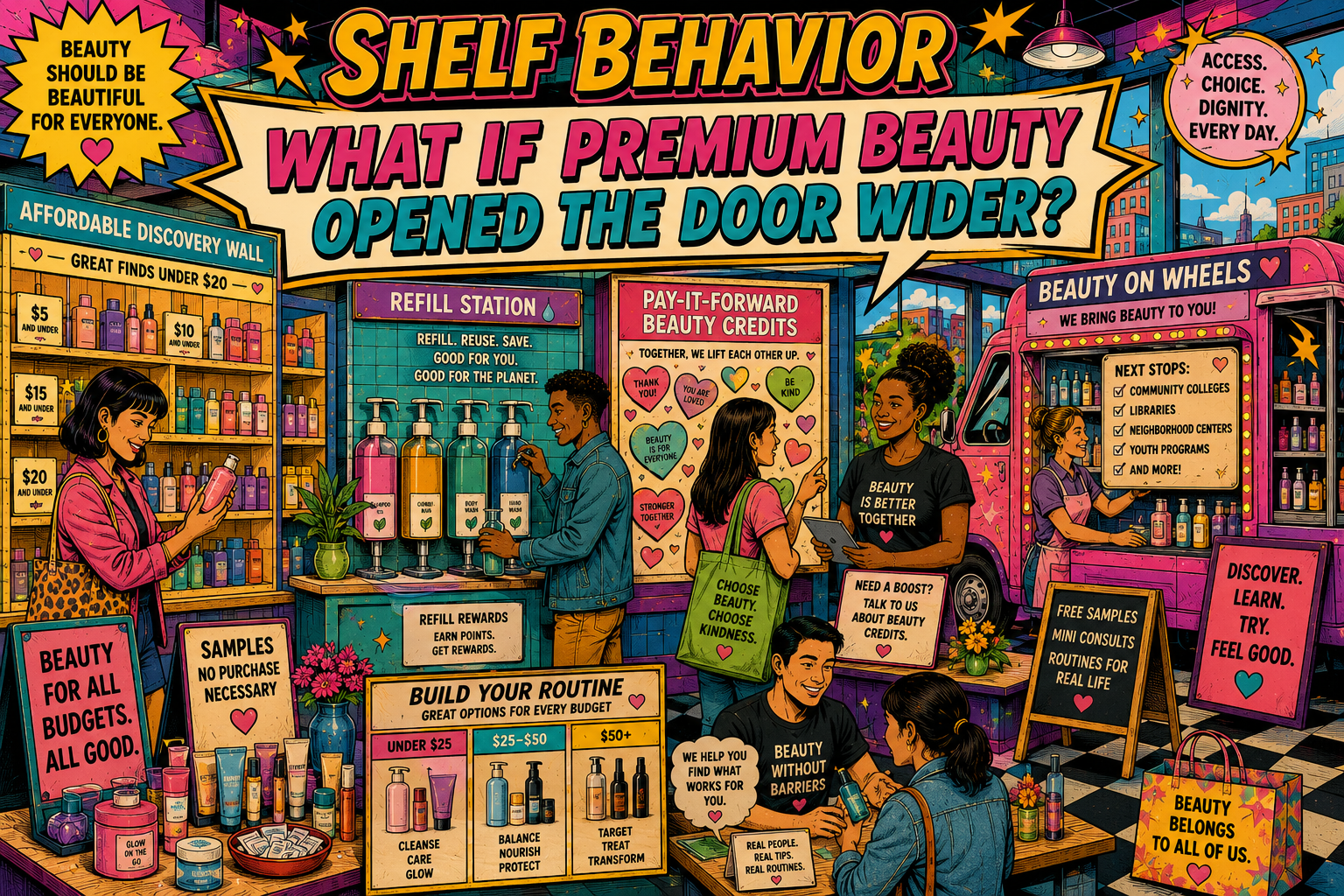
Create a Permanent Affordable Discovery Section
Premium stores could dedicate a well-designed section to products below a clear price point, such as $10, $15, or $20.
The area should not look like the products have received disappointing news. Instead, retailers could give it the same lighting, storytelling, testers, and merchandising as every other section.
A display called Small Luxuries, Everyday Favorites, or Great Finds Under $20 would feel more inviting than a shelf labeled Things You Can Probably Afford.
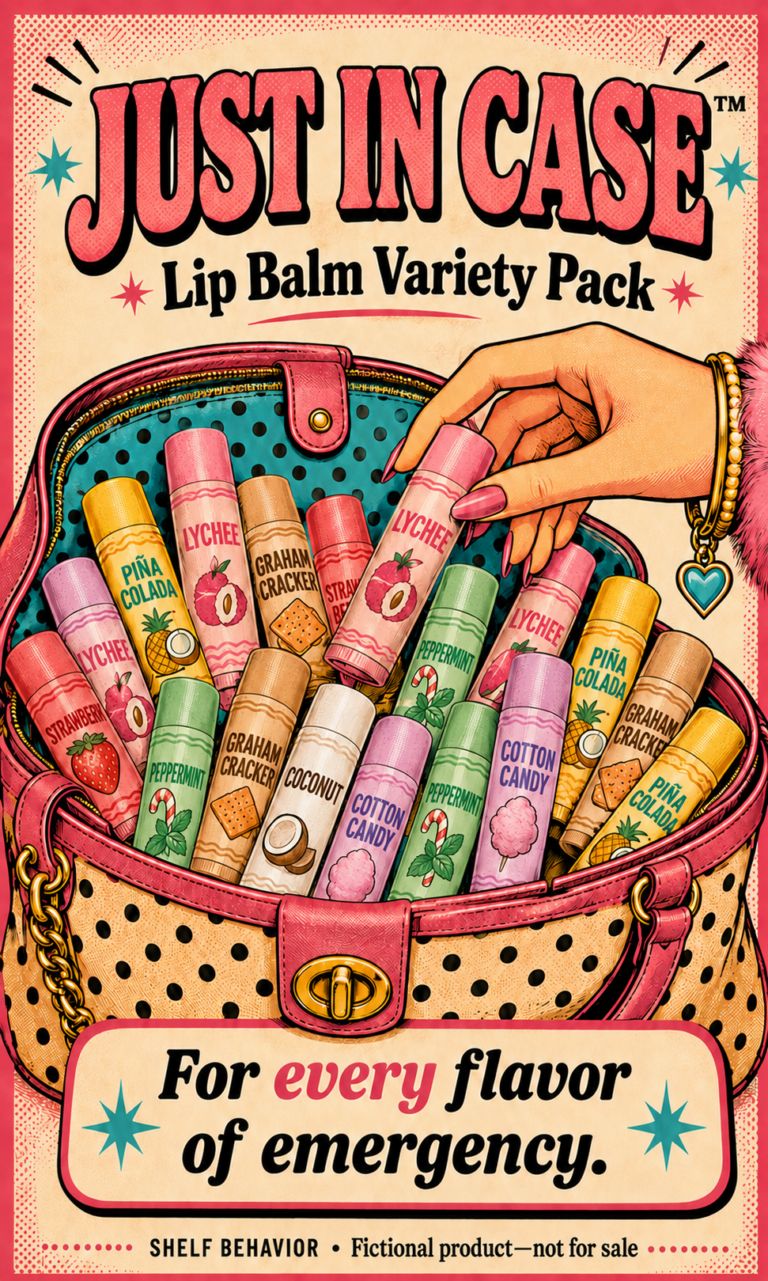
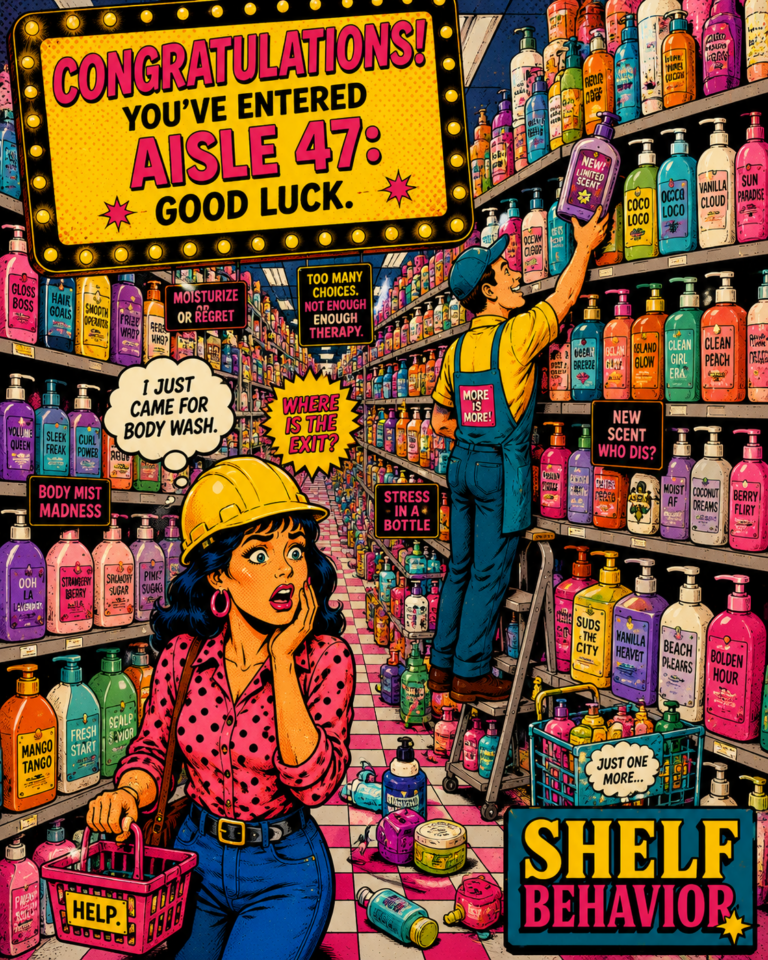
Retailers could rotate body care, hair care, fragrance, skincare, and beauty tools through the section. Consequently, shoppers could discover attainable products without searching the entire store for the one lip balm that does not require a payment plan.
Offer Community Beauty Passes
Brands and retailers could work with libraries, community colleges, workforce programs, shelters, and neighborhood organizations to distribute confidential beauty credits.
A pass might cover a personal care consultation, a starter routine, or a fixed amount toward selected products. Customers could redeem it through the same checkout process as any other promotion.
That detail matters. The program should provide access without publicly identifying who needs assistance.
Build Pay-It-Forward Beauty Credits
Retailers could allow customers, brands, or loyalty members to contribute small amounts toward a shared beauty fund.
The store might match donations during certain months. In addition, participating brands could sponsor credits connected to essential categories such as shampoo, conditioner, body wash, moisturizer, sunscreen, deodorant, and menstrual care.
The program would need clear rules and transparent administration. However, it could turn community generosity into practical support.
Create Refill and Return Rewards
Refill programs can lower the cost of repeat purchases when retailers design them well. Stores could offer discounts for refilling eligible soaps, shampoos, lotions, or body products.
Customers might also receive credit for returning empty packaging, regardless of whether they can afford to purchase something that day.
As a result, the system would reward participation rather than spending alone.
Sell Packaging-Imperfect Products
A slightly dented box does not automatically make the product inside less effective.
Premium retailers could create a carefully managed section for products with damaged outer packaging, discontinued designs, or minor cosmetic flaws. Clear safety standards and product checks would remain essential.
However, when the formula and primary container remain intact, discounted “packaging imperfect” products could reduce waste and improve access at the same time.
The bottle does not know its cardboard box had a difficult commute.
Bring Premium Beauty Into the Community
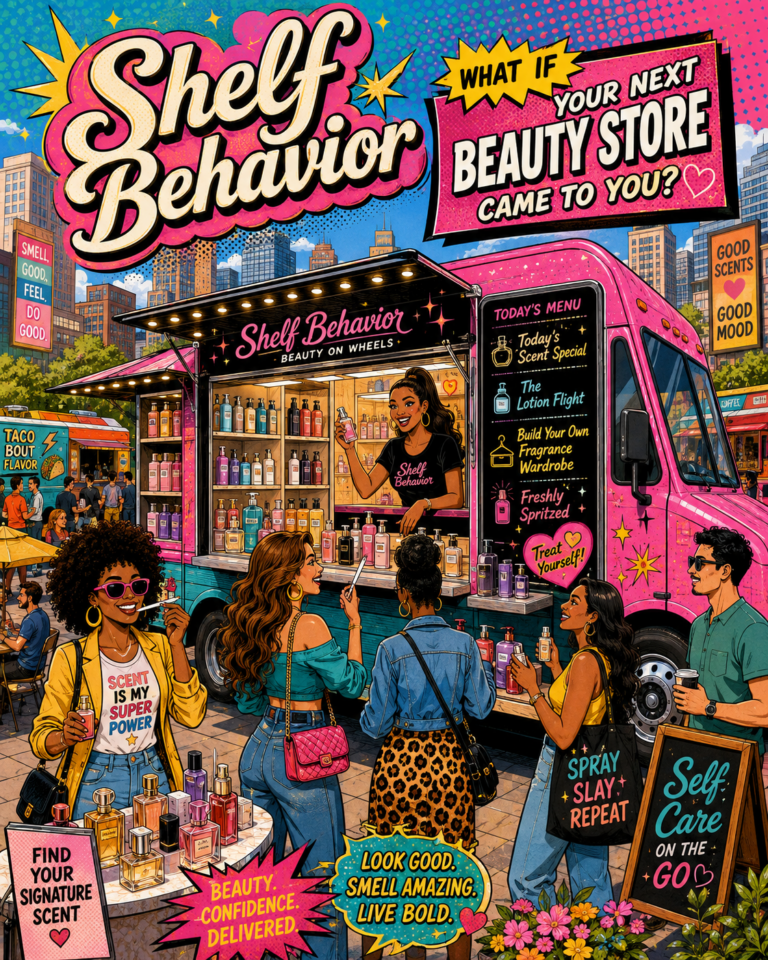
Mobile beauty carts, traveling discovery stations, and neighborhood pop-ups could bring selected products outside traditional retail locations.
A store might visit a community college, public library, workforce center, apartment complex, or community event. Shoppers could test products, ask questions, receive samples, and purchase from a small affordable assortment.
Staff could also offer short educational sessions on topics such as fragrance, hair care, skincare basics, or building a routine on a limited budget.
The goal would not involve arriving in a neighborhood like a glamorous rescue mission. Instead, the retailer could form long-term partnerships and listen to what each community actually wants.
Consumer Psychology Starts With Dignity
From a consumer psychology perspective, the emotional experience of shopping matters alongside price.
A discount does not feel especially welcoming when shoppers must search for it, explain why they need it, or enter a separate area that signals financial hardship. Therefore, accessible beauty retail should protect privacy and preserve choice.
Clear price signs would help. So would employees who can comfortably recommend products at different budgets without immediately steering everyone toward the most expensive option.
Retailers could also organize products by total routine cost. A shopper might see a three-step hair routine for $20, $40, or $75. Consequently, the store would provide useful choices rather than pretending that every customer arrived with the same budget.
Samples could support access too. A shopper should not have to purchase a full-size product simply to discover that the fragrance smells completely different after ten minutes.
Most importantly, premium stores should avoid treating affordability as the opposite of aspiration. People with limited incomes still care about design, pleasure, self-expression, and enjoyable routines.
Beautiful experiences should not belong only to people buying the largest bottle.
Welcome to the Beauty Store With Actual Price Options
Imagine entering a premium beauty store and seeing a display called Build a Routine at Your Budget.
One section offers a complete body-care routine for under $25. Another provides samples and refill credits. Nearby, an employee asks what you want to spend before recommending anything.
You say, “Around fifteen dollars.”
Instead of dramatically fainting into a display of luxury candles, she shows you three excellent options.
Then you visit the packaging-imperfect shelf and discover a discounted lotion because its box has a bent corner.
You examine the bottle carefully.
The lotion appears emotionally stable.
At checkout, your community beauty pass covers part of the purchase. You also receive a sample without first promising your future children to the loyalty program.
Suddenly, premium beauty feels less like a velvet rope and more like a store.
Better Access Can Still Feel Beautiful
Accessible beauty retail should not mean lowering every price or removing premium products. Rather, it means creating more ways for people to enter, explore, learn, and participate.
Permanent affordable sections, community passes, refill rewards, packaging-imperfect products, mobile stores, and transparent routine pricing could all help. Moreover, retailers could build these ideas into the main customer experience instead of treating them as occasional charity campaigns.
The strongest programs would respect privacy, offer real choice, and avoid making lower-income shoppers feel like visitors in someone else’s store.
Ultimately, premium beauty does not become less special when more people can experience it.
It may simply become more relevant.
If you enjoyed this, you might also like this article about if limited edition products.
Follow us here for videos on the psychology & culture of personal care: Shelf Behavior on TikTok and Shelf Behavior on Instagram