2027 Skincare Trends: What to Expect and What Works
2027 skincare trends will likely bring together skin barrier care, simpler routines, biotechnology, personalized tools, and more practical sun protection. However, a growing market does not automatically mean stronger scientific evidence. The most useful forecast asks two questions: what might become popular, and what actually deserves a place in your routine?
Beauty companies already discuss longevity, regenerative ingredients, and products that combine several functions. Meanwhile, consumers face crowded shelves, confusing claims, and constant pressure to try the next launch. Understanding that tension helps explain why both sophisticated science and everyday simplicity may shape the coming year.
This guide examines the signals behind possible 2027 skincare trends. It also separates established skincare principles from emerging research and speculative marketing. Consequently, you can explore innovation without treating every fashionable ingredient as a breakthrough.
What Is Driving 2027 Skincare Trends?
The strongest signals come from several different kinds of sources. Ingredient suppliers reveal formulation priorities, trade publications identify research topics, and market analysts track consumer behavior. However, clinical studies answer a different question: whether a particular intervention works under particular conditions.
For example, Croda Beauty’s 2026–2027 outlook discusses higher-performance skincare, sun care, and skin longevity. Croda sells cosmetic ingredients, so its outlook provides a useful commercial signal rather than independent proof of product benefits.
Meanwhile, Trendalytics’ public 2027 forecast highlights streamlined routines, biotech ingredients, skin-first makeup, and scalp wellness. Its public summary identifies directions, but readers should not assume access to the proprietary growth data behind the full report.
The 2027 editorial calendar from Cosmetics & Toiletries includes sensitive skin, barrier defense, predictive AI, delivery systems, neurocosmetics, and sustainability. An editorial calendar shows professional interest; it does not establish future sales or clinical success.
Why Value and Credibility Matter
Skincare innovation must compete with a practical question: is this product worth buying again? In its State of Beauty 2025 report, McKinsey describes consumers who scrutinize value and question hype. Therefore, a compelling ingredient story alone may struggle to sustain loyalty.
My forecast is that brands will need clearer explanations of who a product helps, how long results take, and what the evidence actually measures. A serum that offers comfortable hydration may earn more trust than an expensive formula promising vague cellular transformation. Ultimately, useful performance can matter more than scientific-sounding language.
How to Read This Forecast
The confidence judgments below reflect editorial analysis, not numerical probabilities. A high-confidence forecast means several signals align with an existing consumer need. Conversely, a speculative forecast involves greater uncertainty about adoption, performance, or both.
Market confidence and scientific confidence can move in opposite directions. For instance, an ingredient may attract many launches while researchers still debate its topical benefits. Keeping those judgments separate is essential when evaluating 2027 skincare trends.
1. Barrier Care Becomes the Foundation of the Routine
Among 2027 skincare trends, barrier-focused care has one of the clearest practical purposes. People want products they can use consistently without persistent tightness, stinging, or peeling. Consequently, a routine that supports comfort may appeal more than one that constantly pushes skin tolerance.
The skin barrier helps limit water loss and protects against external irritants. However, aggressive cleansing and unsuitable combinations of products can undermine that function. The goal is to support normal skin performance rather than chase a dramatic sensation after application.
Ceramides and Complete Moisturizer Formulas
Ceramides remain important ingredients to watch, especially in products for dry or sensitive skin. A randomized trial of a ceramide-dominant moisturizer and cleanser in adults with eczema investigated barrier restoration in a specific patient population. Such research supports interest in well-designed formulas, although it does not prove that every ceramide product performs equally.
Similarly, a controlled study in people with dry skin found advantages for the tested ceramide-containing cream on selected hydration and barrier measures. The complete formula matters, including its texture and other ingredients. Therefore, shoppers should avoid judging a moisturizer by one highlighted ingredient alone.
Potential launches may emphasize ceramides alongside familiar humectants and emollients. Glycerin, panthenol, and squalane may appear in these combinations, although their presence does not guarantee a superior finished product. Instead, look for a moisturizer that fits your skin and feels comfortable enough for regular use.
What This Means for Your Routine
Start by reviewing products that leave your skin uncomfortable. For example, you might reduce unnecessary exfoliation before purchasing another soothing serum. A shorter routine can make it easier to identify the product causing trouble.
Choose changes based on your actual experience rather than a general label such as “damaged barrier.” Persistent burning, rash, or worsening redness deserves medical assessment. Meanwhile, a trend forecast should never substitute for a diagnosis.
Forecast confidence: High for continued consumer interest; performance remains formula-specific.
2. Skinimalism Evolves Into More Selective Skincare
Simpler routines may remain central to 2027 skincare trends, but simplicity does not require avoiding useful treatments. Instead, it means giving each product a clear job. A cleanser, moisturizer, sunscreen, and one suitable targeted treatment can form a more coherent routine than several overlapping serums.
Consider someone using three products for brightness, two exfoliants, and a retinoid. Adding another active may create more uncertainty than benefit. By contrast, removing redundant steps can make both spending and troubleshooting easier.
Multifunctional Products Need Useful Combinations
Possible examples include a moisturizer that also addresses the appearance of uneven tone or a sunscreen with a comfortable moisturizing base. However, a long ingredient list does not prove that a product delivers several meaningful outcomes. Each claim still needs support from the finished formulation.
A practical combination should reduce an unnecessary step without compromising its main purpose. For instance, a moisturizing sunscreen must still provide appropriate sun protection when someone applies it as directed. Convenience helps only when the user receives the intended benefit.
Why Fewer Steps Can Improve Consistency
The American Academy of Dermatology notes in its wrinkle-care guidance that using too many products, particularly multiple anti-aging products, can irritate skin. Therefore, a restrained routine has a credible rationale beyond social media minimalism.
Try assigning a specific purpose to every product you own. Keep the ones that meet a real need and fit your schedule. Meanwhile, reserve optional masks and novelty treatments for enjoyment rather than treating them as essential maintenance.
Forecast confidence: High for selective routines; individual needs still determine the number of useful steps.
3. Skin Longevity Replaces Some Anti-Aging Language
“Skin longevity” may become one of the most visible phrases in 2027 skincare trends. Brands use it to discuss resilience, maintenance, and prevention over time. However, the phrase itself does not establish that a cream extends cellular lifespan or reverses biological aging.
The language can serve a useful purpose when it encourages sustainable habits. It becomes less useful when ordinary cosmetic benefits turn into sweeping promises about youth. Therefore, readers should examine the measurable outcome behind each claim.
What a Credible Longevity Claim Looks Like
Ask whether the brand measured hydration, wrinkle appearance, elasticity, or another defined endpoint. A change in a laboratory marker may justify further research, but it does not automatically mean a visible improvement in everyday use. Likewise, a short study cannot establish decades of protection.
For a consumer, longevity can simply mean choosing a routine that remains comfortable and affordable over the long term. That interpretation avoids turning normal aging into an endless purchasing problem. Ultimately, consistency matters more than an impressive category name.
Prevention Still Starts With Familiar Habits
The AAD’s guide to skincare in your 40s and 50s identifies sun protection as the foundation of an anti-aging plan. Consequently, an elaborate longevity serum should never distract from basic protection.
If you compare two products, ask what the more expensive one adds to your existing routine. A pleasant experience may justify the purchase for you. However, enjoyment and proof of biological rejuvenation remain different reasons to buy.
Forecast confidence: High for the terminology; much lower for broad claims about reversing cellular age.
4. Retinoid Innovation Focuses on Tolerability
Retinoids will likely remain relevant within 2027 skincare trends because they already address established concerns. The innovation opportunity involves making formulas easier to use, rather than declaring older ingredients obsolete. However, no delivery system can guarantee that everyone avoids irritation.
The AAD’s explanation of retinoids and retinol describes their uses for acne and signs of aging. It also recommends cautious introduction and highlights important suitability limits. Therefore, the most useful product is not automatically the strongest one.
Retinol, Retinal, and Encapsulation
Brands may continue promoting retinal, encapsulated retinol, and supportive cream bases. Encapsulation describes a formulation approach, not a universal clinical result. A manufacturer still needs to demonstrate stability, tolerability, and performance in the product people actually buy.
Do not compare different retinoid percentages as though they measure identical strength. The molecule and formula influence the experience, alongside frequency and the rest of the routine. Instead, judge the treatment by its suitability for your goal and your ability to tolerate it.
Retinoids do not suit every person, and the AAD advises against their use during pregnancy. People with substantial redness or inflammatory skin concerns may need another approach. Consequently, irritation should prompt reassessment rather than automatic escalation.
Where Bakuchiol Fits
A randomized, double-blind trial comparing bakuchiol and retinol followed 44 participants for 12 weeks. Both treatments improved selected photoaging measures, while retinol users reported more scaling and stinging. However, the study used different application schedules and cannot establish that bakuchiol matches every retinoid for every purpose.
Bakuchiol may remain attractive to consumers looking beyond traditional retinol products. Still, “natural” does not mean irritation-free or automatically suitable during pregnancy. Evaluate the whole formula and avoid treating one trial as a universal ranking.
Forecast confidence: High for continued retinoid development; tolerability claims require product-level evidence.
5. Ectoin Gains Attention Alongside Established Ingredients
Ectoin, also spelled ectoine, deserves a place on the ingredient watchlist for 2027 skincare trends. Forecasting sources already mention it in discussions of biotech and barrier care. However, its future depends on useful formulas rather than novelty alone.
What the Research Actually Covers
A randomized trial of an ectoine-containing cream evaluated people with mild to moderate atopic dermatitis. Separately, a pediatric trial of ectoine and hyaluronic acid cream compared a particular combination with a vehicle cream. These studies help ground the discussion in human research.
However, eczema studies do not prove that every ectoin serum prevents pollution damage, reverses wrinkles, or outperforms basic moisturizers. The population, formulation, and outcome matter. Therefore, claims should stay close to the evidence rather than expand with each marketing campaign.
Older Ingredients Can Remain Competitive
Niacinamide offers a useful comparison because it already has human cosmetic research. A double-blind, split-face study of 5% niacinamide evaluated facial photoaging over 12 weeks. Its findings concern the tested formulation and population, rather than proving that higher concentrations always work better.
Look at whether an ectoin product fills a gap in your routine. If your moisturizer already meets your needs, a new ingredient does not create an obligation to replace it. Meanwhile, people who enjoy testing formulas can compare comfort and value without expecting a dramatic transformation.
Forecast confidence: Moderate to high for interest in ectoin; benefits depend on the tested use and formulation.
6. Peptides and Delivery Systems Face More Demanding Questions
Peptides may remain prominent in 2027 skincare trends because they connect easily with longevity and biotechnology narratives. Yet “peptides” describes a broad category. Different sequences, concentrations, and formulas should not share one blanket efficacy claim.
Croda’s outlook promotes advanced peptide delivery as a formulation direction. However, supplier claims require careful reading, especially when the supplier sells the ingredient. Independent replication and detailed methods can strengthen confidence beyond a promotional summary.
Why Delivery Claims Need Context
An ingredient must remain stable and reach a relevant site to produce its intended effect. Nevertheless, showing movement through a laboratory skin model does not automatically establish visible benefits in people. Delivery data and clinical outcomes answer related but different questions.
Ask whether the evidence concerns an isolated ingredient, a prototype, or the finished retail product. Also, check whether a study compares the formula with a similar base without the featured active. That comparison helps reveal what the ingredient adds beyond ordinary moisturization.
How to Assess a Peptide Serum
Start with the stated outcome rather than the number of peptide names on the packaging. “Improves the appearance of fine lines” provides a more assessable claim than “reprograms skin.” Meanwhile, a formula can feel pleasant and hydrate well even if its more ambitious claims remain uncertain.
Possible 2027 launches may emphasize targeted delivery, ingredient stability, and combinations with supportive moisturizers. These are plausible development priorities, not guarantees of faster or deeper action. Therefore, keep expectations tied to the available study.
Forecast confidence: Moderate to high for product development; scientific confidence varies widely across peptides and formulations.
7. PDRN and Polynucleotides Remain High-Interest Topics
PDRN stands for polydeoxyribonucleotide, while PN commonly refers to polynucleotides. These related terms appear in medical and cosmetic discussions, but they do not identify one standardized product. Consequently, source material, processing, molecular characteristics, and application route all deserve attention.
PDRN may attract further launches as brands seek ingredients associated with repair and regeneration. However, popular nicknames such as “salmon sperm skincare” can obscure the actual formulation. A memorable story tells you little about the product’s clinical performance.
Topical Skincare and Injections Need Separate Evidence
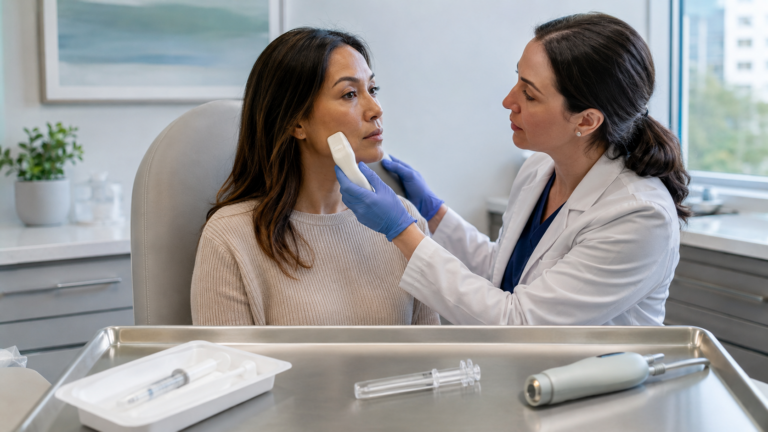
The 2026 systematic review of randomized trials involving PN and PDRN examines skin rejuvenation, scar prevention, and wound healing. Earlier, a systematic review of polynucleotides in aesthetic medicine described promising results alongside limitations in the evidence. Neither justifies assuming that any retail topical serum reproduces an injected intervention.
The route matters because a cream must interact with the skin surface and its barrier. An injection reaches tissue through a different process and involves different risks. Therefore, advertisements should not borrow injection outcomes to establish the value of a topical product without relevant testing.
What to Ask Before Buying
Look for human evidence on the specific topical formula, including its comparator and study duration. Ask what “plant-based PDRN” means in that product rather than assuming equivalence with fish-derived preparations. Meanwhile, do not interpret a repair narrative as permission to apply a cosmetic to wounds or freshly treated skin.
People considering an injectable intervention should discuss it with a qualified clinician and check local regulatory status. The product, jurisdiction, and intended use all matter. Ultimately, consumer excitement cannot settle those questions.
Forecast confidence: Moderate to high for attention; confidence in broad topical rejuvenation claims remains limited.
8. Exosomes Attract Interest and Greater Scrutiny
Exosomes may remain among the most discussed 2027 skincare trends, although attention can run ahead of evidence. They belong to the broader field of extracellular vesicle research. However, products marketed under the same label may differ substantially in origin, preparation, and composition.
That variability makes simple comparisons difficult. A finding involving one laboratory preparation does not validate a bottle with a similar ingredient story. Therefore, consumers need more than the word “exosome” to assess a product.
What the FDA Says
The FDA’s consumer alert on regenerative medicine products states that there are no FDA-approved exosome products. It also warns about misleading claims and potential safety issues involving unapproved regenerative products. This guidance is particularly relevant to interventions marketed as medical treatment.
Cosmetic marketing and disease-treatment claims require separate regulatory analysis. Therefore, the alert should not turn into a blanket claim that every cosmetic using vesicle-related terminology has identical legal status. The intended use and actual claims matter.
Why “Regenerative” Needs Definition
A credible description should identify what the product contains and what outcome researchers measured. Improved hydration is different from tissue regeneration. Likewise, a cosmetic intended for intact skin should not automatically accompany microneedling or other procedures.
My forecast is that evidence transparency will become a major differentiator in this category. Brands that explain the limits of their research may earn more trust than those promising dramatic cellular renewal. Meanwhile, budget-conscious consumers have no reason to treat exosomes as an essential step.
Forecast confidence: Moderate for continued attention; low for universal regeneration claims.
9. Microbiome Skincare Becomes More Specific
Microbiome language may continue evolving within 2027 skincare trends. The useful direction involves clearer identification of ingredients and outcomes. However, “balances your microbiome” remains difficult to assess without a defined measurement and relevant evidence.
The skin hosts communities of microorganisms that interact with their environment. Nevertheless, there is no single consumer-facing microbiome score that establishes the ideal routine for everyone. A commercial test or label needs validation before it can justify highly precise advice.
Probiotics, Ferments, and Related Ingredients
Products may contain live microorganisms, fermentation-derived material, microbial components, or compounds intended to support microbial activity. These categories are not interchangeable. Therefore, shoppers should ask what the formula actually contains rather than treating every ferment as a live probiotic.
A randomized trial of a probiotic-derived lotion for acne illustrates a specific research approach. It does not establish that all microbiome-labelled cosmetics treat acne or provide the same results. The formulation and target condition remain central.
Practical Implications
Avoid choosing a cleanser solely because it promises to reset the skin’s ecosystem. Instead, consider whether it cleans comfortably and suits your needs. If you already have an effective treatment plan, a microbiome serum should not replace it based on marketing language alone.
Brands may increasingly describe the exact microbial ingredient and provide product-level data. That would improve the category’s usefulness. Meanwhile, gentle everyday care can remain a sensible choice without requiring a microbiome test.
Forecast confidence: Moderate for continued innovation; broad ecosystem claims need better definition.
10. Sunscreen Innovation Prioritizes Everyday Wear
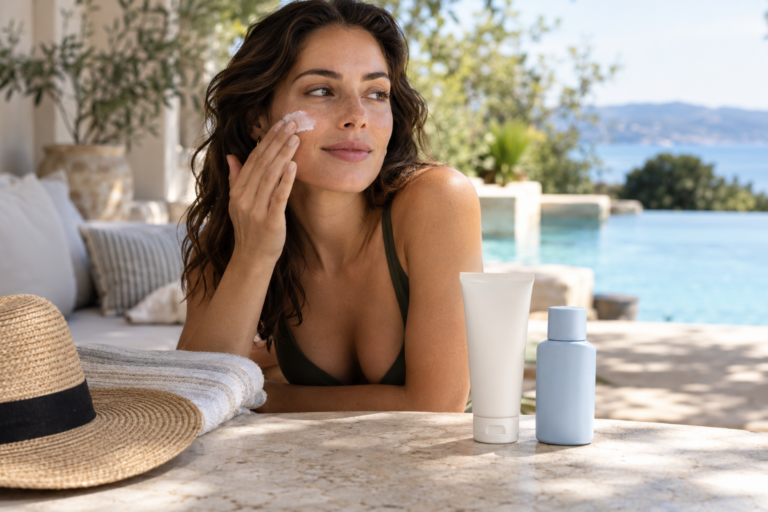
Sun protection may become one of the most useful 2027 skincare trends because it connects performance with daily behavior. A product can have excellent specifications yet feel unpleasant enough that someone avoids it. Consequently, texture, finish, eye comfort, and shade compatibility deserve serious attention.
The AAD’s sunscreen guidance recommends broad-spectrum, water-resistant sunscreen with SPF 30 or higher, alongside shade and protective clothing. It also advises reapplication approximately every two hours outdoors and after swimming or sweating. Innovation should make these practices easier rather than create excuses to skip them.
Tinted SPF and Visible Light
For people concerned about dark spots, tinted sunscreen may offer an additional advantage. The AAD’s guidance on fading dark spots explains the role of iron oxide in protection against visible light from the sun. Therefore, useful shade ranges can affect both accessibility and the practical value of a formula.
This issue is different from vague promises to shield skin from every digital device. A brand should identify the light source, exposure, and clinical outcome behind its claim. Meanwhile, consumers should keep attention on documented protection rather than fear-based messaging.
What Better Formats Could Offer
Possible launches include more wearable fluids, comfortable tinted products, and formulas that combine moisturization with protection. However, a convenient format still needs adequate application and coverage. A light dusting of SPF powder or a small amount of foundation should not automatically count as complete protection.
Choose the product you can use correctly and repeat comfortably. For outdoor activity, check water resistance and follow the label. Ultimately, an enjoyable sunscreen that fits your routine may offer more practical value than a fashionable one you leave unopened.
Forecast confidence: High for continued format innovation and daily-wear emphasis.
11. Climate-Aware Skincare Becomes More Practical
Climate-aware products offer another plausible direction for 2027 skincare trends. The idea is to account for everyday conditions such as humidity, indoor heating, outdoor activity, and seasonal discomfort. However, brands should avoid suggesting that one formula senses every environmental change and adapts perfectly.
Useful climate awareness starts with the person using the product. Someone moving between air-conditioned offices and outdoor heat may want a different texture from someone facing a cold, dry winter. Therefore, personal observation can be more helpful than a universal weather-based rule.
A Flexible Routine Makes More Sense Than Constant Replacement
Keep your core routine stable when it works. Then adjust texture or frequency when your skin’s needs change. For example, you might prefer a richer moisturizer during a dry period without buying a separate climate-adaptive serum.
Outdoor plans also change protection needs. Sweat, swimming, and prolonged exposure require attention to sunscreen instructions and reapplication. Meanwhile, a product marketed for pollution does not replace established sun protection.
Questions for Environmental Claims
Ask what exposure the manufacturer tested and whether the study involved people. An antioxidant result in a laboratory does not automatically prove protection under ordinary urban conditions. Likewise, a pollution claim should specify its endpoint instead of relying on imagery of an invisible shield.
This category could become more useful if brands explain concrete use cases. Clear descriptions such as “light texture for humid conditions” help consumers make a decision. Ultimately, practical specificity should matter more than futuristic packaging.
Forecast confidence: Moderate; stronger claims require relevant environmental and clinical testing.
12. AI Personalization Expands, but Validation Matters
Artificial intelligence may influence 2027 skincare trends through discovery, product comparison, and routine planning. A guided tool can help organize choices in a crowded category. However, convenience does not prove medical accuracy or eliminate trial and error.
Bigeye’s 2027 beauty marketing outlook discusses AI recommendations and personalization across the shopping journey. Because Bigeye provides marketing services, its analysis primarily concerns commercial strategy. It should not establish the diagnostic reliability of a consumer skin scanner.
Useful Tasks for a Routine Tool
An app might help you record products, compare prices, remember sensitivities, or recognize overlapping steps. Those functions can support better organization. Meanwhile, a photo alone cannot reliably answer every question about a rash, allergy, or changing lesion.
Ask whether the tool explains why it recommends a product. Check whether the recommendation comes from a restricted brand catalog or an affiliate arrangement. Transparency about those limits can make an otherwise convenient service more useful.
Skin Tone and Image Quality
A study of dermatology AI using a diverse, curated image dataset identified performance disparities across skin tones. That research does not evaluate every shopping app, but it demonstrates why broad accuracy claims need careful validation. Consequently, consumers should question a service that promises universal precision without showing relevant testing.
Lighting, filters, camera settings, and image selection can also complicate interpretation. Therefore, avoid treating an app-generated score as an objective measurement of your worth or health. Seek professional assessment for persistent symptoms or a concerning lesion.
Privacy Becomes Part of Product Quality
Before uploading facial images, check storage, deletion, sharing, and consent policies. A routine recommendation should not require blind acceptance of indefinite image retention. Meanwhile, a service that clearly explains its data practices may provide a more trustworthy experience.
Forecast confidence: High for continued digital tools; reliability varies by tool and task.
13. At-Home Devices Face a More Informed Buyer
LED masks and other home devices may remain visible in 2027 skincare trends. They appeal to people seeking repeatable treatments outside a clinic. However, that appeal does not make every device equivalent to professional care.
Devices differ in design, wavelength, output, treatment schedule, and intended use. Consequently, the correct question is whether this specific device has relevant evidence. A study of another device cannot answer that question completely.
What Red-Light Research Can Tell Us
A controlled trial of red and near-infrared light treatment evaluated skin appearance and related measurements in 136 volunteers. It provides evidence for the tested treatment system. However, its findings do not establish that every retail LED mask reproduces the same results.
The AAD’s overview of red-light therapy describes potential benefits while noting differences between studies and uncertainty about home-device effectiveness. It recommends choosing an appropriate device, following instructions, and considering dermatology advice. Therefore, realistic expectations should accompany any purchase.
Clearance, Evidence, and Routine Compatibility
Check the regulatory wording and intended indication rather than accepting a badge as a promise of dramatic results. Clearance does not guarantee that a device will produce the benefit you expect. Meanwhile, independent product-specific studies can help clarify likely outcomes.
Follow instructions about eye protection and product application. Do not assume that adding a serum automatically improves light treatment or that every electrical tool boosts penetration safely. People with light sensitivity or relevant medications should discuss suitability with a clinician.
The Ownership Test
Before buying, consider whether you will realistically follow the treatment schedule. Include the purchase cost, maintenance, and time commitment in your comparison. Ultimately, a device that sits unused adds no practical value to a routine.
Forecast confidence: Moderate to high for continued interest; benefits depend on the device and user.
14. Neurocosmetics Connect Skincare With Sensory Experience
Neurocosmetics may grow as brands explore the relationship between skin, stress, and sensory experience. The most credible consumer interpretation involves comfortable formulas and enjoyable rituals. However, a relaxing texture does not establish that a cream treats anxiety or meaningfully lowers systemic cortisol.
The AAD explains that stress can worsen several skin and hair conditions. It also describes stress management as a complement to appropriate medical care. Therefore, the mind-skin connection deserves attention without turning a cosmetic into a mental-health treatment.
Comfort Can Be a Meaningful Benefit
People may appreciate a moisturizer that reduces the unpleasant feeling of dryness or a cleansing routine that fits a calm evening. These experiences have value even without an ambitious neurological claim. Meanwhile, a pleasant fragrance remains a personal preference rather than a necessity.
For someone with fragrance sensitivity, a scented relaxation product may feel counterproductive. The better routine is the one that respects that person’s needs. Consequently, sensory innovation should include fragrance-free options rather than presume that everyone finds the same experience soothing.
What Evidence Should Show
Ask whether a study measured perceived comfort, visible skin changes, or a biological marker. Those outcomes are distinct and deserve separate wording. A small laboratory experiment should not justify a promise to regulate a person’s stress response.
Peclers Paris’ public spring–summer 2027 outlook connects beauty with emotional experience, gentleness, and creative minimalism. That provides a cultural signal for sensory products. However, it does not establish the efficacy of neurocosmetic ingredients.
Forecast confidence: Moderate for sensory and emotional positioning; low for sweeping neurological claims.
15. Hybrid Makeup Makes Skincare Benefits More Visible
Products that combine color and care may continue shaping 2027 skincare trends. A hydrating skin tint or comfortable tinted lip product can fit a practical routine. However, combining categories should not blur the difference between immediate appearance and long-term treatment.
XJ Beauty’s discussion of hybrid beauty illustrates manufacturer interest in merging makeup and skincare functions. It is a commercial formulation perspective, not independent proof that all hybrid products work. Consequently, the consumer should assess the specific claim and product.
The Runway Shows an Aesthetic, Not a Clinical Outcome
Spring–summer 2027 runway reporting includes expressive color, varied finishes, and creative makeup techniques. For example, Bustle’s Milan Fashion Week coverage describes blue eye makeup, draped blush, and metallic effects. These observations reveal aesthetic possibilities rather than evidence of healthier skin.
Runway inspiration may influence textures and presentation. Still, consumers do not need to recreate a backstage routine to benefit from skincare. Makeup can create a luminous finish immediately, while treatment claims need separate research.
How to Judge a Hybrid Product
Check whether its main function meets your needs first. A skin tint should provide a finish you enjoy, and a lip product should feel comfortable. Then evaluate any added treatment claim on its own merits.
SPF deserves particular care because application amount affects protection. Therefore, makeup containing sunscreen should not automatically replace a dedicated product you apply adequately. Convenience remains useful when it supports correct use.
Forecast confidence: High for continued hybrid formats; treatment benefits remain product-specific.
16. Body Care and Scalp Care Become More Targeted
The expansion of facial skincare ideas into body and scalp products offers a practical direction for 2027 skincare trends. Consumers have real concerns beyond the face, including dryness, roughness, and persistent flaking. However, using facial-care vocabulary does not automatically improve a body wash or scalp serum.
Body Care Starts With the Actual Concern
Someone concerned about dry legs may need a comfortable moisturizer rather than a luxury firming ritual. Meanwhile, rough bumps require a different assessment from simple dryness. Clear concern-based positioning can make this category more helpful.
The AAD’s guidance on keratosis pilaris discusses moisturizers and suitable exfoliating treatments, including ingredients such as urea and lactic acid. It also explains that ongoing maintenance may be necessary. Therefore, a product should not promise a permanent cure for every rough bump.
Claims about firmness and cellulite need equally careful reading. A temporary change in appearance does not prove structural lifting or removal of cellulite. Instead, ask what researchers measured and how long the effect lasted.
Scalp Care Should Respect Hair Type
Scalp wellness may attract products aimed at oiliness, comfort, and flakes. However, the scalp and hair shaft have different needs. An appealing exfoliating scrub does not automatically address the cause of persistent dandruff.
The AAD recommends appropriate dandruff shampoos and instructions tailored to hair type. It also advises professional assessment when symptoms persist or become severe. Consequently, a fashionable scalp serum should not delay effective treatment.
Do not equate a comfortable scalp with proven reversal of genetic hair loss. Hair-growth claims require their own evidence. Meanwhile, products can still offer useful cleansing or conditioning benefits without making those larger promises.
Forecast confidence: High for targeted body and scalp interest; evidence depends on the concern and product.
17. Life-Stage Skincare Becomes More Inclusive
Personalization may become more useful when it accounts for life stage rather than relying solely on a camera scan. Skin needs can change over time, and consumers may welcome better explanations of those changes. However, an age bracket alone cannot determine the ideal routine.
Menopause-related skincare offers one example of a genuine need. The AAD’s menopause skincare guidance describes changes such as dryness and thinning, alongside practical care options. Therefore, thoughtful products can address comfort without promising to replace lost hormones.
What Meaningful Inclusion Looks Like
Useful inclusion involves study populations, shade compatibility, accessible packaging, and realistic instructions. A campaign showing diverse faces is a starting point, but it does not establish product performance across those groups. Meanwhile, age-inclusive communication can discuss concerns without treating normal changes as personal failures.
Potential 2027 skincare trends may include more attention to menopausal skin, adult acne, and consumers who previously felt overlooked. This is an editorial forecast rather than a guaranteed launch schedule. The strongest offerings will explain whom they help and where their evidence applies.
Avoid Routine Rules Based Only on Age
Ask what your skin currently needs before buying a complete age-labelled range. A person in their 50s with acne and oily skin may have different priorities from a peer with substantial dryness. Consequently, concern-based care should remain central.
Persistent or changing symptoms deserve assessment rather than automatic attribution to age. A trend-aware routine can still be a simple routine. Ultimately, inclusion should make skincare easier to navigate.
Forecast confidence: Moderate to high for more inclusive positioning and life-stage care.
18. Sustainability Moves Toward Specific Claims
Sustainability may remain important in 2027 skincare trends, especially when brands make their claims easier to check. Possible directions include refill systems, upcycled ingredients, and reductions in packaging. However, each change involves trade-offs that a general “eco-friendly” badge may hide.
The FTC’s summary of its Green Guides emphasizes qualification and substantiation of environmental claims. It also explains that refillable claims need a real refill mechanism. Consequently, specificity offers more value than broad green language.
Refillable Does Not Automatically Mean Better
Ask whether refills remain available and how often you expect to reuse the container. Check the material and disposal instructions for the refill itself. A system that looks attractive but proves impractical may not deliver the intended advantage.
Waterless products also deserve contextual assessment. Removing water from a formula does not by itself prove a lower overall environmental impact. Manufacturing, transport, packaging, and consumer use all influence the result.
Upcycled Ingredients Need Ordinary Quality Standards
Using material from an existing supply stream can provide an interesting development route. Nevertheless, upcycled ingredients still need appropriate safety, consistency, and stability testing. Their origin does not automatically make them gentler or more effective.
The FTC’s consumer guide to green marketing encourages readers to distinguish claims about the product from claims about its packaging. Therefore, check precisely what a percentage or certification describes. One improved component does not necessarily establish a benefit for the whole item.
Consumption Is Part of the Decision
Before replacing a usable product, consider whether you need another purchase at all. Finishing a suitable formula can be more practical than constantly buying the latest sustainable release. Meanwhile, choose packaging you can handle and dispose of correctly in your own community.
Forecast confidence: High for continued environmental messaging; credibility depends on measurable details.
19. Beauty Supplements Face Tougher Evidence Questions
Nutricosmetics may remain connected with 2027 skincare trends through the wider wellness market. The appealing idea is that nutrition can support appearance from within. However, a nutritional role does not establish that everyone benefits from a specific beauty supplement.
The most useful shift would involve clearer separation between correcting a deficiency and enhancing skin in someone who already has adequate nutrition. Those are different clinical questions. Consequently, broad “inside-out rejuvenation” language deserves caution.
Collagen Research Requires a Balanced Reading
A 2023 meta-analysis of oral collagen trials reported improvements in pooled hydration and elasticity outcomes. However, a 2025 meta-analysis examining funding and study quality found no benefit in key analyses of higher-quality studies and studies without pharmaceutical-company funding. That disagreement makes confident universal promises inappropriate.
The sensible conclusion is that uncertainty remains, especially around the size and reliability of benefits. A positive pooled result does not settle questions about bias or applicability. Meanwhile, a supplement’s source, added ingredients, cost, and tolerability still matter to the individual buyer.
NAD+ and Longevity Marketing Need Separate Proof
NAD+ precursors and similar longevity narratives may appear in beauty conversations. Nevertheless, claims about cellular energy do not automatically establish visible skin rejuvenation from a retail supplement. A brand needs relevant human skin outcomes, not just a biological explanation.
Avoid building a large supplement stack simply because it appears in a 2027 forecast. Review the actual need, evidence, and compatibility with medications or health conditions. Ultimately, a trend should help you ask better questions rather than create a new obligation.
Forecast confidence: Moderate for continued marketing; confidence varies by supplement and intended outcome.
20. Clinical Transparency Becomes a Competitive Advantage
The most valuable development in 2027 skincare trends may involve better communication rather than another ingredient. Consumers need to understand what “clinically tested” means. However, the phrase alone does not reveal study quality, relevance, or the size of an effect.
My forecast is that clearer study summaries will increasingly distinguish credible brands. A company can explain its evidence in plain language without publishing a dense technical dossier on every product page. The key is to give shoppers enough information to judge the claim.
Questions a Useful Study Summary Should Answer
Look for the number and characteristics of participants, the study duration, and the comparator. Also, check whether the researchers measured an objective endpoint or asked participants how they felt. Both can provide information, but they support different kinds of claims.
Before-and-after images deserve context too. Lighting, expression, camera distance, and cosmetic coverage can affect the result. Therefore, photographs should support an adequately described study rather than replace it.
Marketing Labels Are Not Regulatory Categories
The FDA explains that “cosmeceutical” has no meaning under US law. Separately, its guidance on wrinkle treatments and anti-aging products distinguishes cosmetic claims from claims about the body’s structure or function. Consequently, scientific-sounding labels should not serve as evidence of approval or efficacy.
Terms such as “medical-grade” also warrant specific questions about the product rather than automatic trust. Ask what makes the formulation different and what evidence supports that difference. Meanwhile, a modest, clearly supported claim may be more useful than a dramatic one.
Forecast confidence: High as a consumer need; the extent of industry adoption remains uncertain.
Comparing the Most Important 2027 Skincare Trends
The table below separates likely market interest from evidence considerations. These judgments summarize the analysis in this guide rather than a paid forecast dataset. Therefore, use them as a decision aid, not a guarantee of future sales.
| Possible trend | Market outlook | Evidence consideration | Practical priority |
|---|---|---|---|
| Barrier-focused care | High confidence | Human evidence supports specific tested moisturizers | Useful when dryness or discomfort affects your routine |
| Selective routines | High confidence | Fewer overlapping products can reduce unnecessary complexity | Give every step a clear purpose |
| Skin longevity | High confidence for language | Broad biological-aging claims remain much less certain | Focus on realistic maintenance goals |
| More tolerable retinoids | High confidence | Established category; formulations differ | Choose suitability over maximum strength |
| Ectoin | Moderate to high confidence | Human research exists for specific applications | Compare the complete formula |
| Peptides and delivery systems | Moderate to high confidence | Evidence varies by molecule and product | Request relevant finished-product studies |
| PDRN and polynucleotides | Moderate to high confidence | Injection evidence does not validate every topical | Separate route and outcome |
| Exosome-labelled products | Moderate confidence | Major standardization, efficacy, and regulatory questions remain | Treat dramatic regeneration claims cautiously |
| Microbiome skincare | Moderate confidence | Specific interventions need specific evidence | Ask what the formula contains |
| More wearable sunscreen | High confidence | Sun protection has established value | Prioritize adequate, repeatable use |
| Climate-aware products | Moderate confidence | Environmental claims need relevant testing | Adjust to actual conditions and comfort |
| AI routine tools | High confidence | Accuracy and bias vary by tool | Use for organization with clear limits |
| Home devices | Moderate to high confidence | Evidence depends on the tested device | Assess cost, suitability, and adherence |
| Neurocosmetics | Moderate confidence | Sensory benefits differ from neurological treatment | Choose comfort without exaggerated expectations |
| Hybrid makeup | High confidence | Cosmetic finish and treatment claims differ | Evaluate the primary function first |
| Targeted body and scalp care | High confidence | Condition-specific guidance already exists | Address the actual concern |
| Life-stage care | Moderate to high confidence | Needs vary within age groups | Favor inclusive, concern-based products |
| Specific sustainability claims | High confidence for interest | Whole-product benefits need substantiation | Check the exact claim and disposal route |
| Beauty supplements | Moderate confidence | Results and research quality vary | Avoid assuming a universal benefit |
| Clinical transparency | High confidence as a need | Better methods clarify confidence | Read beyond the headline claim |
How to Use These Trends Without Overcomplicating Your Routine
Exploring 2027 skincare trends does not require buying twenty categories of products. Instead, use the forecast to identify one improvement that matters to you. A comfortable sunscreen, a better moisturizer, or a simpler routine may offer the most practical return.
Begin With Your Main Goal
Choose the concern that most affects your everyday experience. It might involve dryness, acne, uneven tone, or an uncomfortable cleansing step. Then assess whether your current products already address it adequately.
For example, buying a peptide serum makes little sense if your main problem is that every sunscreen feels unpleasant. A more wearable protective product addresses that gap directly. Meanwhile, an ingredient trend can wait until the basics fit your life.
Introduce One Change at a Time
Keep a simple record of what you introduce and why. That habit makes it easier to connect a change with comfort, irritation, or an outcome you notice. However, a home diary cannot prove clinical efficacy in the way a controlled trial can.
Follow the product’s instructions and avoid adding several ambitious treatments simultaneously. If discomfort develops, reassess the new step rather than pushing through automatically. Persistent symptoms deserve professional help.
Use Realistic Observation Periods
Immediate softness and long-term changes in wrinkle appearance are different outcomes. Therefore, do not judge every product by whether it transforms your skin within a few days. Read the relevant study duration and consider the goal you chose.
Photographs can help you track visible changes when conditions remain consistent. Use similar lighting and avoid filters. Meanwhile, do not let daily inspection turn normal variation into a reason for constant product switching.
Set a Budget Before Exploring Innovation
Decide which steps deserve most of your spending. Then compare the ongoing cost of a product, including how quickly you use it. An expensive formula may be enjoyable, but price alone cannot establish better performance.
Budget for repeat purchases rather than just the excitement of the first bottle. If a routine becomes financially stressful, simplify it. Ultimately, sustainable skincare should fit both your skin and your resources.
A Simple Routine Framework for 2027
This framework illustrates how to organize a routine, rather than prescribing treatment for every skin type. Adapt it to your products, preferences, and any clinician’s instructions. Consequently, the optional treatment step may look very different from person to person.
Morning: Prepare and Protect
- Cleanse as needed. Choose an approach that leaves your skin comfortable.
- Moisturize when useful. Select a texture that fits your skin and the conditions.
- Apply suitable sunscreen. Follow its directions, and combine it with shade and protective clothing when outdoors.
A targeted serum can fit this routine when it addresses a real goal. However, it should not make the protective step harder to complete. Keep convenience in mind when comparing possible additions.
Evening: Cleanse and Address a Specific Need
- Remove sunscreen and makeup. Use a cleansing method that works without repeated harsh rubbing.
- Use a suitable targeted treatment, if needed. Follow product instructions or your clinician’s plan.
- Moisturize for comfort. Adjust the texture when your skin needs change.
Do not treat exfoliation, retinoids, and novelty ingredients as mandatory nightly companions. Instead, decide whether each one serves your chosen goal. A quieter routine can still be an effective routine.
When a Trend Should Wait
Pause new experiments if your skin currently feels persistently irritated. Similarly, avoid letting a skincare forecast guide products onto broken skin or a freshly treated area. Your clinician’s procedure-specific instructions take priority.
If your routine already works, keeping it is a valid decision. The value of 2027 skincare trends lies in informed options, not annual replacement. Ultimately, innovation should solve a problem you actually have.
Frequently Asked Questions About 2027 Skincare Trends
What Are the Biggest Possible 2027 Skincare Trends?
The strongest directions include barrier care, selective routines, wearable sunscreen, longevity language, hybrid makeup, and digital personalization. Meanwhile, biotech ingredients and home devices may continue attracting attention. Their popularity will not necessarily match the strength of their evidence.
Which Trend Deserves the Highest Practical Priority?
For many readers, improving the consistency and comfort of basic care offers the clearest starting point. Therefore, review cleansing, moisturization, and protection before chasing expensive additions. A specific skin condition may require a clinician-guided treatment plan instead.
Will Retinol Become Outdated in 2027?
There is no reason to assume that new launches will make retinol or other retinoids obsolete. However, individual suitability and tolerability still matter. New formats should earn their place through useful evidence rather than novelty alone.
Is PDRN Better Than Retinol?
That comparison requires a defined product, route, and outcome. Research involving injected polynucleotides cannot establish that a topical PDRN serum outperforms a retinoid. Therefore, broad category rankings can mislead readers.
Are Exosomes an Essential Skincare Step?
No evidence in this guide establishes exosomes as an essential everyday step. Instead, the category raises important questions about preparation, performance, claims, and intended use. Consumers can maintain a useful routine without participating in it.
Can AI Diagnose My Skin From a Selfie?
A consumer tool may help organize observations or recommend products, but its capabilities depend on validation. Consequently, do not assume that a selfie scanner can safely diagnose every skin problem. Concerning lesions and persistent symptoms need appropriate medical assessment.
Will a Home LED Mask Replace Professional Treatment?
Evidence does not justify treating all home masks as equivalent to clinic-based treatment. Devices differ, and results depend on the relevant protocol and concern. Therefore, assess the specific product and keep expectations realistic.
Do I Need a Beauty Supplement?
An emerging trend does not establish a nutritional need. Furthermore, collagen research shows why study quality and funding deserve attention. Evaluate a specific supplement’s purpose rather than assuming that “beauty from within” applies equally to everyone.
Does More Expensive Skincare Work Better?
Price can reflect packaging, positioning, ingredients, distribution, and sensory design. However, it does not by itself prove stronger clinical performance. Compare the formulation, evidence, practical value, and ongoing cost.
Are These Predictions Certain?
No forecast can establish exactly what consumers will buy throughout 2027. This article draws on sources available by October 1, 2026. Therefore, read its confidence judgments as informed estimates and update them as new evidence appears.
The Future of Skincare Should Make Everyday Care Easier
The most useful 2027 skincare trends connect innovation with an actual need. Barrier support, thoughtful routines, comfortable sunscreen, and clearer evidence can improve the shopping experience. Meanwhile, biotechnology and digital tools deserve interest without automatic trust.
Choose products according to your skin, goals, tolerance, and budget. Ask whether a claim concerns a tested formula and whether its outcome matters to you. Ultimately, a well-chosen routine should help you care for your skin consistently as the beauty market continues to change.