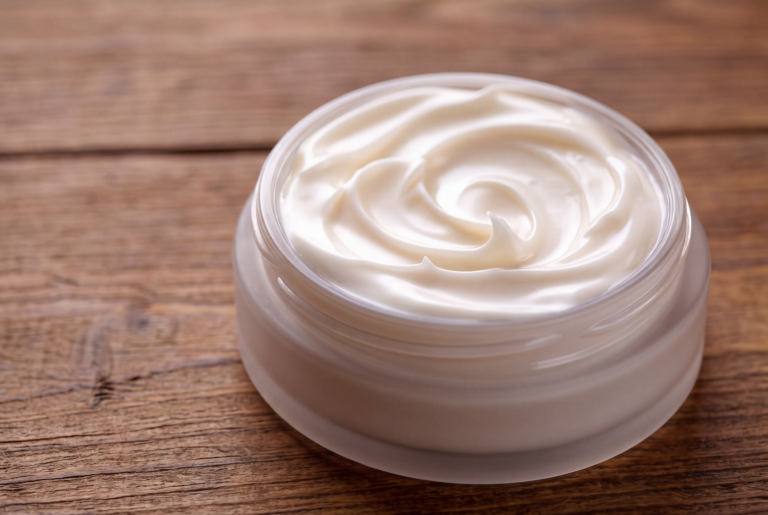
Hyaluronic Acid Facial Harmonization: US Guide
Hyaluronic acid facial harmonization has become a lower-entry-cost alternative for Americans who cannot afford, do not want, or are not ready for plastic surgery. Instead of paying for an operation at once, a consumer may pay for one syringe, one facial area, or one treatment session. Moreover, the procedure usually involves less downtime and produces a visible change quickly.
However, that convenience can obscure recurring expenses and medical risks. Dermal filler can block a blood vessel, damage skin, affect vision, cause infection, trigger inflammatory reactions, or create nodules. Meanwhile, growing MRI evidence suggests that some hyaluronic acid may remain detectable for years, even after its visible effect appears to fade.
The American market also has a distinctive structure. More than 10,000 medical spas compete with dermatology offices, plastic surgery practices, dental offices, and other aesthetic businesses. Consequently, prices, qualifications, supervision, and emergency resources can differ sharply from one location to another.
This article uses information available through July 18, 2026. It provides journalism and consumer education, not individual medical advice. In addition, it does not promote elective cosmetic procedures for teenagers. The FDA has approved dermal fillers for specific uses in adults aged 22 and older, while safety remains unknown in younger patients.
Quick Answers About Hyaluronic Acid Facial Harmonization
| Question | Short answer |
|---|---|
| How much does hyaluronic acid filler cost in the US? | The American Society of Plastic Surgeons reports an average physician fee of $715 for an HA filler treatment. Patient-reported total spending averages about $1,616 because some sessions include several syringes or areas. |
| How much does full-face harmonization cost? | The US has no standard definition or national average. Multi-area treatments commonly cost several thousand dollars, while patient-reported filler totals can reach $5,299 or more. |
| How much does liquid rhinoplasty cost? | RealSelf patient reports show an average of about $1,380 and a range of $495 to $3,500. However, the FDA has not approved filler injection into the nose. |
| Is filler cheaper than surgery? | It usually costs less initially. Nevertheless, repeated treatments can accumulate costs that equal or exceed some surgical fees over time. |
| Does HA filler completely disappear? | Not always within the advertised timeline. MRI studies have detected water-rich signals consistent with HA filler years after injection. |
| Can liquid rhinoplasty cause nasal necrosis? | Yes. A blocked artery can interrupt blood flow and injure the skin. Although uncommon, the event requires immediate medical attention. |
| Can filler cause blindness? | Yes, although the complication remains rare. Filler can enter vessels connected to the eye’s circulation. |
| Can filler affect a nerve? | Direct trauma, pressure, swelling, or impaired circulation can cause numbness, pain, or other nerve symptoms. Reliable incidence data do not exist. |
| Can someone have an allergy to HA filler? | Serious allergy is rare but possible. Moreover, delayed inflammation may involve lidocaine, cross-linking agents, contaminants, infection, or immune activation rather than HA alone. |
| Can dentists inject facial filler? | US rules vary by state. Some dental boards permit limited facial injectable procedures within dental scope, while others impose stricter limits. |
| Does health insurance cover facial filler? | Insurance generally excludes elective cosmetic filler. However, coverage rules may differ for medically necessary reconstructive treatment. |
What Is Hyaluronic Acid Facial Harmonization?
“Facial harmonization” is not a standardized American medical procedure. In the United States, clinics more often use terms such as “facial balancing,” “full-face rejuvenation,” or “nonsurgical facelift.”
In practice, the term may describe anything from one syringe in one area to a multi-product treatment plan. Therefore, two clinics can advertise facial balancing while proposing completely different interventions.
A plan may include:
- Lip filler;
- Cheek augmentation;
- Chin projection;
- Jawline contouring;
- Nasolabial fold treatment;
- Temple filler;
- Infraorbital hollow treatment;
- Liquid rhinoplasty;
- Neuromodulators such as Botox;
- Collagen-stimulating injectables;
- Skin resurfacing or tightening procedures.
Consequently, a price without product names, areas, and quantities offers little useful information. One provider may call a single-area treatment “facial harmonization,” while another may combine several syringes and technologies.
How Hyaluronic Acid Filler Works
The human body naturally produces hyaluronic acid, or HA. In connective tissue, the molecule helps retain water and contributes to tissue organization. However, injectable HA does not resemble an over-the-counter facial serum.
Manufacturers chemically cross-link HA molecules to create a gel that resists rapid breakdown. Additionally, each product has different elasticity, viscosity, cohesiveness, concentration, and water-binding behavior.
A laboratory study by Fagien and colleagues compared 18 commercial HA fillers. The researchers found substantial differences among products and concluded that no single gel suits every facial area or clinical goal. Furthermore, they warned that laboratory properties cannot fully predict performance inside living tissue (Plastic and Reconstructive Surgery).
Therefore, “hyaluronic acid filler” does not identify one interchangeable product. Formulation, injection site, previous treatment, tissue movement, and individual anatomy can influence duration, appearance, and risk.
Filler Is Not Surgery Without Incisions
Filler adds volume. Surgery, in contrast, can remove, reposition, reduce, or reconstruct tissue.
For example, liquid rhinoplasty may camouflage a contour by adding material around it. As a result, the profile may look straighter, but the procedure does not make the nose physically smaller. Likewise, filler cannot repair a deviated septum or resolve impaired breathing.
A facelift can reposition deeper tissue and remove excess skin. Conversely, filler cannot create the same structural change simply by adding more volume. The American Society of Plastic Surgeons notes that fillers cannot achieve the same results as surgery and usually require repeated treatment.
Why the US Facial Filler Market Keeps Growing
Several economic and cultural forces support the growth of hyaluronic acid facial harmonization.
First, filler has a lower entry price than most facial surgeries. A consumer may purchase one session instead of paying surgeon, anesthesia, and facility fees at once.
Second, the procedure fits the medical spa business model. Clinics can perform short appointments, advertise immediate changes, and generate repeat visits. Additionally, membership plans and promotional pricing can convert an occasional treatment into a recurring expense.
Third, social media makes filler easy to market. Before-and-after photographs offer simple visual content, while filters and editing tools can normalize facial proportions that do not occur naturally.
However, promotional images rarely document total spending, residual filler, delayed inflammation, dissolving procedures, or emergency treatment. Therefore, consumers often see the visible benefit without seeing the full financial and medical history.
The US Hyaluronic Acid Filler Market by the Numbers
The 2024 American Society of Plastic Surgeons report estimated 28.24 million minimally invasive cosmetic procedures in the United States. HA filler accounted for 5,331,426 procedures, a 1% increase from 2023.
Neuromodulator injections remained the largest category at 9,883,711 procedures. Meanwhile, non-HA fillers accounted for another 932,861 procedures (ASPS 2024 Statistics Report).
US Procedure Statistics
| US indicator | 2024 estimate | Interpretation |
|---|---|---|
| Cosmetic surgical procedures | 1,585,878 | Procedures reported or modeled within the ASPS methodology |
| Minimally invasive cosmetic procedures | 28,243,407 | Includes injectables, skin treatments, lasers, and other categories |
| Neuromodulator injections | 9,883,711 | Largest minimally invasive category |
| Hyaluronic acid fillers | 5,331,426 | Up 1% from 5,294,603 in 2023 |
| Non-HA fillers | 932,861 | Includes products such as CaHA, PLLA, and PMMA fillers |
| HA lip augmentation | 1,589,502 | Collected as a separate category for the first time |
| HA filler patients aged 40 to 54 | 50% | Largest age group in the ASPS distribution |
| Female HA filler procedures | 5,184,475 | Approximately 97% of reported volume |
| Male HA filler procedures | 146,951 | Approximately 3% of reported volume |
The lip augmentation figure should not be added to the general HA total. ASPS warns that the categories may overlap and create double counting.
Moreover, the report does not measure every US aesthetic provider in exactly the same way. Its minimally invasive estimates include ASPS members and modeled data from nonmember dermatologists and otolaryngologists. Nevertheless, they do not necessarily capture every nurse-led practice, dental office, or medical spa transaction.
The Medical Spa Boom
The American Med Spa Association reported 10,488 US medical spas in 2023, up from 8,899 in 2022. That represents an increase of approximately 17.9% in one year.
At the same time, average annual revenue rose from $1,307,587 to $1,398,833 per location. The association also reported that 81% of med spas operated from a single location (AmSpa 2024 State of the Industry recap).
| Medical spa indicator | Reported value |
|---|---|
| US med spas in 2023 | 10,488 |
| US med spas in 2022 | 8,899 |
| One-year location growth | About 17.9% |
| Average annual revenue | $1,398,833 |
| Average monthly patient visits | 245 |
| Average spending per visit | $527 |
| Repeat patients | 73% |
| Female patients | 89% |
| Single-location businesses | 81% |
| Owners expecting higher revenue | 84% |
Multiplying the reported location count by average revenue produces an approximate $14.7 billion industry. However, that calculation represents an inference from survey averages, not an audited national revenue total.
The 73% repeat-patient rate also reveals why injectables attract business investment. Unlike many surgical procedures, filler creates ongoing demand for follow-up, retreatment, new areas, and corrections.
How Much Revenue Does the US Filler Market Generate?
Grand View Research estimates that the entire US dermal filler market generated $2.17 billion in 2025. Furthermore, the company projects revenue of $4.83 billion by 2033, with a compound annual growth rate of 10.5% from 2026 through 2033.
According to the same report, hyaluronic acid represented the largest product segment in 2025 (Grand View Research US market outlook).
Commercial forecasts require caution because analysts define products and distribution channels differently. Nevertheless, the estimate suggests that companies expect the US market to more than double within eight years.
Globally, Grand View Research values HA-based dermal fillers at $4.9 billion in 2025 and $5.5 billion in 2026. Moreover, it projects $11 billion in 2033, while assigning North America a 39.9% share of 2025 revenue (global HA filler forecast).
How Much Does Facial Harmonization Cost in the US?
The US has no mandatory national price list for dermal filler. Additionally, providers use different definitions for a treatment, a syringe, a vial, and a full-face plan.
The ASPS reports $715 as the latest average cost for HA filler. However, that number represents an average physician or provider fee, not necessarily a complete multi-area bill.
Patient-reported data produces a higher figure. RealSelf reports an average total dermal filler cost of $1,616, with spending reaching $5,299 for several areas or combined injectable treatments (RealSelf dermal filler costs).
US Dermal Filler Price Table
| Treatment or data source | US price | What the number means |
|---|---|---|
| HA filler, ASPS average | $715 | Latest national provider-reported average |
| Non-HA filler, ASPS average | $901 | Includes several longer-lasting filler categories |
| Lip augmentation with filler, ASPS average | $743 | National provider-reported average |
| Dermal filler, RealSelf average | $1,616 | Patient-reported total spending |
| Multi-area or combined filler treatment | Up to $5,299 in reports | Not a national full-face average |
| Common commercial per-syringe range | About $500 to $1,500 | Broad market range; city and product strongly affect it |
| Liquid rhinoplasty, patient-reported average | $1,380 | Based on RealSelf reviews |
| Liquid rhinoplasty reported range | $495 to $3,500 | Wide range; the FDA has not approved nasal filler injection |
| Full-face harmonization | Often several thousand dollars | No standard treatment or reliable national average |
The official ASPS figures come from provider data, while RealSelf uses patient reports. Therefore, the two estimates answer different questions and should not be treated as contradictory.
Why One Number Cannot Describe a Full-Face Plan
A full-face plan may use one product or several. Moreover, the price depends on whether the provider includes follow-up, imaging, correction, or other injectables.
Major variables include:
- Number of syringes;
- Amount of product in each syringe;
- Brand and product line;
- Treatment area;
- Provider credentials and experience;
- City and neighborhood;
- Office or facility expenses;
- Consultation charges;
- Follow-up policies;
- Emergency resources;
- Combination with neuromodulators or collagen stimulators;
- Treatment of previous filler;
- Ultrasound or other imaging;
- Correction or removal costs.
Consequently, a clinic may advertise a low starting price that applies to a limited amount of product. Another practice may quote a larger total but include follow-up and additional services.
Geographic Differences
Large metropolitan areas often command higher prices because rent, insurance, staffing, and professional fees cost more. However, geographic location does not automatically predict quality.
For example, the RealSelf cost review cites approximately $3,000 for multi-area treatment at one Beverly Hills practice. Meanwhile, another provider near Houston reported a range from $824 to $12,000, depending on the treatment’s extent.
These examples illustrate variation; they do not establish state averages. Therefore, consumers should not interpret them as recommended budgets.
Insurance and Financing
Health insurance usually excludes elective cosmetic filler. The ASPS cost page specifically states that health insurance does not cover dermal fillers.
Some businesses offer financing or membership plans. However, smaller monthly payments can hide the total cost, interest, repeat-treatment obligations, and expenses associated with complications.
Filler Prices Compared With Facial Surgery
Filler generally has a much lower initial cost than surgery. Nevertheless, the comparison requires careful definitions.
ASPS now publishes projected US surgeon-fee ranges instead of one average. Those ranges exclude expenses that may include anesthesia, operating facilities, medical tests, prescriptions, and postoperative care.
| Procedure | 2024 ASPS surgeon or physician fee | Main limitation |
|---|---|---|
| HA filler treatment | $715 average | May not reflect several syringes or areas |
| Chin augmentation surgery | $4,000 to $6,000 | Facility and anesthesia may add to the total |
| Facial fat grafting | $3,000 to $5,500 | Surgeon fee rather than complete bill |
| Rhinoplasty | $7,500 to $12,500 | Final cost may be substantially higher |
| Facelift | $12,000 to $19,000 | Excludes several associated expenses |
| Neck lift | $7,500 to $13,000 | Does not represent the complete total |
Patient reports illustrate the difference between a surgeon’s fee and a final bill. RealSelf reports an average rhinoplasty cost of approximately $12,206 and a range of $5,000 to $25,000 (RealSelf rhinoplasty cost data).
Liquid Rhinoplasty Versus Surgical Rhinoplasty
| Characteristic | Liquid rhinoplasty | Surgical rhinoplasty |
|---|---|---|
| Average reported price | About $1,380 | About $12,206 in patient reports |
| ASPS physician-fee benchmark | Falls within filler pricing | $7,500 to $12,500 |
| Primary action | Adds volume to camouflage contours | Reshapes or reduces nasal structures |
| Can make the nose smaller? | No | Potentially |
| Can correct breathing? | No | Sometimes, when surgery addresses structural obstruction |
| Recovery | Usually shorter | Usually longer |
| Maintenance | May require further treatment | Structural results generally last longer |
| FDA status | Nasal filler injection is not approved | Surgery does not fall under dermal filler approval rules |
| Notable filler-specific risk | Vascular occlusion, skin injury, blindness, or stroke | Different surgical and anesthetic risks |
Therefore, liquid rhinoplasty does not offer a temporary version of the same operation. It provides a different intervention with different capabilities.
The Lower Entry Price Can Become a Large Long-Term Cost
Filler looks affordable partly because consumers pay one session at a time. However, recurring appointments can create a substantial ten-year expense.
The following table shows simplified mathematical scenarios. It does not recommend any amount, frequency, or treatment plan.
| Illustrative scenario | Cost per session | Sessions in 10 years | Nominal total |
|---|---|---|---|
| ASPS average once per year | $715 | 10 | $7,150 |
| Patient-reported average every 18 months | $1,616 | 7 | $11,312 |
| Patient-reported average once per year | $1,616 | 10 | $16,160 |
| $3,000 multi-area plan every 18 months | $3,000 | 7 | $21,000 |
| $3,000 multi-area plan annually | $3,000 | 10 | $30,000 |
| $5,000 multi-area plan every 18 months | $5,000 | 7 | $35,000 |
| $5,000 multi-area plan annually | $5,000 | 10 | $50,000 |
These calculations exclude inflation, consultation fees, dissolving procedures, corrections, added areas, and complication-related care. Furthermore, evidence of long-lasting filler raises questions about automatic retreatment on a fixed calendar.
Accordingly, “cheaper than surgery” usually describes the first payment. It does not always describe total lifetime spending.
What Clinical Studies Show About Effectiveness
HA fillers can temporarily reduce the appearance of folds and restore volume. However, clinical trials usually study one product, one region, and a limited follow-up period.
One randomized, double-blind, split-face trial compared an HA product called MBI-FD with Restylane in 95 adults. Each participant received one product on one side of the nasolabial folds and the comparator on the other.
At 24 weeks, 71% of MBI-FD-treated sides and 72% of Restylane-treated sides met the study’s effectiveness criterion. Researchers monitored safety for 52 weeks and reported no serious adverse events in the trial (Li et al., 2023).
Why a 95-Person Trial Cannot Prove Full-Face Safety
The trial provides useful evidence for two products in nasolabial folds. Nevertheless, it does not answer every question about hyaluronic acid facial harmonization.
The study:
- Did not examine full-face treatment;
- Did not evaluate large cumulative volumes;
- Did not study liquid rhinoplasty;
- Did not compare repeated use over decades;
- Could not reliably detect events that occur once in thousands of treatments;
- Did not represent every available filler;
- Did not establish safety for patients under 22.
Therefore, the absence of vascular occlusion or vision loss in 95 participants does not prove that those risks equal zero.
One Filler Study Does Not Apply to Every Filler
Attenello and Maas reviewed injectable materials and emphasized that composition and physical behavior differ among products. As a result, no single filler serves as the ideal choice for every area of the face (Facial Plastic Surgery).
Similarly, a publication about the MD Codes treatment system described 387 patients and an average of 14 syringes in the author’s practice. However, the paper provides level IV evidence, relies on selected cases, and received industry support. It does not prove that 14 syringes represent an average need or an ideal standard (de Maio, 2021).
Thus, consumers should separate randomized evidence, expert methodology, manufacturer marketing, and individual clinical opinion.
How Long Does Hyaluronic Acid Filler Remain?
Consumers often hear that HA filler disappears after six, twelve, or eighteen months. That estimate may describe how long a visible effect lasts in a product trial, but it does not prove that every trace of material has left the tissue.
Visible Effect, MRI Signal, and Intact Filler Are Different
Three concepts require separation:
- Clinical effect: how long a person or evaluator notices an aesthetic change.
- Imaging signal: a water-rich region that appears compatible with HA or a related tissue response.
- Intact gel volume: the amount of original filler that retains its chemical and structural properties.
A result can appear smaller after swelling resolves or the product redistributes. Nevertheless, an MRI may continue to show a water-rich signal.
Conversely, MRI cannot prove that every part of the signal represents intact filler. Bound water, tissue changes, and new collagen may contribute.
MRI Detected Filler-Related Signal Up to 15 Years Later
In 2024, Master and colleagues published an MRI series involving 33 patients who had not received midface filler for at least two years. The group included 24 people without symptoms and nine who sought assessment for swelling.
MRI detected signal compatible with HA filler in all 33 patients. Twenty-one had not received midface injections for two to five years, while 12 had gone longer than five years. In one reported case, imaging detected compatible signal 15 years after the patient’s injection history (Master et al., 2024).
However, the study does not show that all filler lasts 15 years. The sample remained small and selected. Moreover, researchers lacked a confirmed product name in 17 cases and depended partly on patient memory.
What a Systematic Review Found
A 2024 systematic review identified only eight eligible studies on HA filler longevity, including two case reports. Evidence showed persistence beyond 12 months and, in some cases, beyond two years.
Nevertheless, major differences in products, facial regions, imaging, volumes, and study methods prevented the authors from establishing a maximum duration (Rzepniewski et al., 2024).
Therefore, neither “all filler disappears quickly” nor “all filler lasts for decades” accurately represents the evidence.
A 2026 Study Raised Questions About Volume Expansion
In July 2026, Issa and colleagues reported a cross-sectional MRI study involving 14 patients with documented injection histories.
Recorded treatment volumes ranged from 0.55 to 11 cubic centimeters. In contrast, MRI-measured volumes ranged from 0.7 to 38 cubic centimeters. Researchers reported an average ratio of approximately 1:2.8 between documented injection and measured imaging volume (Issa et al., 2026).
The authors proposed that water binding, distribution, and tissue response may allow certain HA fillers to occupy more apparent volume over time. However, the study cannot prove that intact filler physically tripled.
Its limitations include:
- Only 14 participants;
- A selected patient population;
- One imaging point instead of serial scans;
- Different products and injection histories;
- Difficulty separating filler from water and tissue response.
Accordingly, the result should generate further research rather than a universal claim.
What the Evidence Supports
| Statement | Evidence-based verdict |
|---|---|
| “Every HA filler disappears in six months” | Unsupported |
| “Every filler remains for 15 years” | Unsupported |
| “Visible effect can fade before MRI signal disappears” | Supported and plausible |
| “Some products remain detectable for several years” | Supported by imaging studies |
| “MRI measures exact intact filler mass” | Incorrect |
| “Location and formulation affect longevity” | Supported |
| “Long-term repeated use needs more research” | Strongly supported |
The FDA also states that controlled clinical studies have not established the long-term safety of repeatedly using fillers over many years.
Is Hyaluronic Acid Filler Completely Reversible?
The availability of hyaluronidase helped establish HA as a “reversible” filler. However, the word can mislead consumers.
First, hyaluronidase works on hyaluronic acid. It does not dissolve calcium hydroxylapatite, poly-L-lactic acid, PMMA, or silicone.
Second, the response depends on the filler’s chemistry, volume, distribution, and location. Some cases require more than one professional intervention.
Third, removing gel does not necessarily undo every tissue change. Swelling, fibrosis, displacement, or age-related changes may remain.
A retrospective study examined 90 patients with periocular filler concerns. After hyaluronidase treatment, 59% reported satisfactory results. Meanwhile, 24% considered the response insufficient and required further management, while 18% reported changes such as increased hollowing (PRS Global Open).
Those percentages do not represent all filler patients because the study involved a selected group that already had problems near the eyes. Furthermore, subjective volume loss does not prove permanent destruction of the body’s natural HA.
Hyaluronidase Has Its Own Risks and Regulatory Limits
The FDA has not approved hyaluronidase specifically for dissolving cosmetic dermal filler. Clinicians use it off-label for that purpose.
In its 2025 advisory summary, the FDA reported 83 adverse-event reports associated with filler-related hyaluronidase use since 2011. Commonly reported concerns included swelling, burning, redness, excessive volume loss, and lack of effect (FDA 2025 advisory summary).
Therefore, “it can be dissolved” does not mean “it will disappear instantly and without risk.”
The Main Risks of Hyaluronic Acid Facial Harmonization
Most immediate reactions involve swelling, bruising, redness, tenderness, or temporary firmness. However, uncommon complications can require prolonged treatment, while rare vascular events can cause permanent harm.
The FDA dermal filler guidance, American Society for Dermatologic Surgery, and Johns Hopkins Medicine describe both immediate and delayed risks.
Dermal Filler Risk Table
| Risk category | Examples | Possible timing | Usual concern |
|---|---|---|---|
| Common local reactions | Swelling, bruising, redness, pain, tenderness | Hours to days | Usually temporary |
| Surface or contour problems | Asymmetry, visible product, firmness, overcorrection | Immediate to weeks | Variable |
| Tyndall effect | Bluish discoloration from superficial HA | Days to weeks | Primarily aesthetic but needs assessment |
| Infection | Increasing redness, pain, warmth, or drainage | Days to weeks | Can become serious |
| Delayed inflammation | Swelling, tenderness, or nodules | Weeks to years | Variable |
| Hypersensitivity | Itching, rash, swelling, or systemic reaction | Minutes to weeks | Usually uncommon; severe allergy is rare |
| Migration | Product appears outside the intended area | Months to years | Variable |
| Nodules or granulomas | Firm or inflamed areas | Weeks to years | May require prolonged care |
| Nerve symptoms | Numbness, tingling, pain, or weakness | Immediate or delayed | Uncommon; evidence often comes from case reports |
| Vascular occlusion | Blocked blood flow | Usually during or soon after injection | Medical emergency |
| Skin necrosis | Tissue injury after loss of blood supply | May develop over the following hours | Serious |
| Vision loss or stroke | Filler reaches vessels connected to the eye or brain | Usually immediate | Rare and potentially permanent |
What US Adverse-Event Reports Show
The FDA’s 2025 advisory document included an all-time search of its Medical Device Reporting database. The search found 17,768 reports categorized by reporters as serious injuries involving dermal filler product codes.
The FDA received 1,478 such reports in 2023 and 1,179 from January through November 2024. Frequently reported problems included:
| Reported problem | Number in the FDA search |
|---|---|
| Abscess | 1,235 |
| Nodules | 1,038 |
| Obstruction or occlusion | 986 |
| Granulomas | 846 |
These figures do not equal verified unique cases or incidence rates. The FDA explains that passive reports can contain incomplete, inaccurate, delayed, duplicate, or biased information. At the same time, underreporting may cause the system to miss events.
Therefore, the database cannot answer “one complication per how many injections?” It can identify patterns and safety signals, but it lacks a reliable denominator.
Vascular Occlusion and Skin Necrosis
Vascular occlusion occurs when filler enters a blood vessel or when pressure compromises circulation. As a result, blood may stop reaching part of the tissue.
Without adequate oxygen, the skin can suffer injury and necrosis. Furthermore, filler can travel through connected arteries toward the eye or brain.
How Often Does Vascular Occlusion Occur?
A JAMA Dermatology study surveyed 370 board-certified dermatologists who reported experience with approximately 1.7 million syringes.
Participants reported one vascular occlusion per 6,410 one-milliliter syringe injections with needles. In contrast, they reported one per 40,882 syringe injections with cannulas. Cannula use correlated with 77.1% lower odds of occlusion (JAMA Dermatology).
However, the study relied on practitioner reports and memory. Additionally, it involved experienced dermatologists rather than every type of injector. Thus, the findings do not establish a universal complication rate.
Cannulas may reduce risk in some situations, but they do not eliminate it.
Why Liquid Rhinoplasty Carries Special Risk
The nose contains small arteries and vascular connections to the eye. Therefore, a low-volume procedure can still produce a serious complication.
The FDA has not approved dermal filler injection into the nose. It also lists the glabella, forehead, neck, and general periorbital area among unapproved locations. However, certain named products now have specific approval for the infraorbital hollow, which shows why approval remains product- and location-specific.
Systematic reviews of published vision-loss cases repeatedly identify the nose, glabella, and forehead as high-risk locations. Nevertheless, case collections lack the total number of injections, so they cannot provide a reliable incidence rate.
What Liquid Rhinoplasty Can and Cannot Do
Liquid rhinoplasty can:
- Camouflage limited contour differences;
- Add projection;
- Change the apparent profile;
- Produce a temporary result.
However, it cannot:
- Make the nose structurally smaller;
- Remove bone or cartilage;
- Repair a deviated septum;
- Improve breathing;
- Eliminate the need for surgery when structural correction is required;
- Guarantee reversibility.
Therefore, its lower price should not make it appear medically simpler.
Filler-Related Vision Loss and Stroke
The most widely accepted mechanism involves filler entering a facial artery under pressure. Because facial vessels connect with the ophthalmic circulation, material may obstruct blood flow to the retina. Further movement can also affect cerebral circulation.
The FDA states that nearly every filler material has appeared in reports involving severe visual complications. Moreover, the agency notes that no universally safe and reliable treatment restores vision after every filler-related vascular event.
Consequently, prevention, rapid recognition, and immediate access to ophthalmic or emergency care matter more than reassuring claims about reversibility.
Can Filler Affect a Facial Nerve?
Yes, although several mechanisms can produce nerve symptoms.
A needle may directly irritate a nerve. Alternatively, swelling, bruising, pressure, inflammation, or impaired circulation can cause numbness, tingling, pain, or weakness.
A review of nonvascular filler complications describes nerve injury as uncommon. However, researchers rely heavily on case reports, which prevents a dependable incidence estimate (review of minimally invasive cosmetic complications).
Some symptoms improve as swelling resolves. Nevertheless, persistent numbness, severe pain, or movement changes require medical assessment.
Allergy and Delayed Inflammation
HA resembles a naturally occurring human molecule, but “biocompatible” does not mean “incapable of causing a reaction.”
A person may react to:
- The filler formulation;
- Cross-linking chemicals;
- Residual proteins or impurities;
- Lidocaine;
- Skin preparation products;
- Bacterial contamination;
- Hyaluronidase;
- Another injected product.
Severe immediate allergic reactions remain rare. However, delayed inflammatory reactions can appear weeks or months later.
The FDA also notes that inflammation may develop near previous filler after viral or bacterial illness, vaccination, or dental treatment. This association does not mean that vaccines or dentistry damage filler. Instead, immune activation may coincide with inflammation in previously treated tissue.
Nodules, Granulomas, Migration, and Overfilling
A nodule may result from superficial placement, concentrated product, inflammation, infection, or immune response. Consequently, every lump does not have the same cause or treatment.
Granulomas represent a persistent inflammatory response. Meanwhile, migration describes filler or filler-related volume appearing outside the intended location.
Not every delayed contour change proves migration. Water binding, tissue aging, swelling, or repeated applications may also explain the appearance.
Overfilling presents another concern. Gradual changes can make excess volume difficult for the patient to recognize, especially when each session adds a small amount. Therefore, complete records and standardized photographs offer more value than memory alone.
New FDA Concern: Bone Changes on Imaging
In its 2025 advisory review, the FDA identified three Medical Device Reports and as many as 60 published cases describing bone resorption after HA filler placed directly over bone.
The reports involved areas such as the chin, jaw, midface, or forehead. Notably, patients did not report symptoms; clinicians found the changes incidentally on CT scans or dental X-rays.
This evidence does not prove that facial filler commonly causes clinically meaningful bone loss. The cases remain limited, and researchers need better studies. Nevertheless, the signal challenges the assumption that long-term repeated filler affects only soft tissue.
Who Can Legally Inject Fillers in the United States?
The United States does not have one national injector license. The FDA regulates products and approved indications, while state laws regulate medical, nursing, physician-assistant, and dental practice.
As a result, the legal answer changes by state.
Depending on state law, injectors may include:
- Physicians;
- Nurse practitioners;
- Physician assistants;
- Registered nurses working under required orders or supervision;
- Dentists acting within state-defined dental scope;
- Other specifically authorized licensed professionals.
Unlicensed estheticians and cosmetologists generally cannot perform medical injections merely because they work in a medical spa. However, exact delegation and supervision rules still require state-specific review.
The American Med Spa Association’s legal map lists separate rules for all 50 states because questions such as ownership, initial examination, delegation, and injector qualifications lack one national answer.
Examples of State Variation
Texas treats filler injections as medical procedures that require an order and delegation from a licensed physician (Texas Department of Licensing and Regulation).
Washington, meanwhile, states that an appropriately trained and competent registered nurse may administer certain aesthetic injectables with a prescription from an authorized practitioner (Washington State Board of Nursing).
These examples do not provide rules for every state. Rather, they show why consumers and businesses must consult the relevant medical, nursing, and dental boards.
Can US Dentists Perform Facial Harmonization?
No nationwide rule gives every dentist the same authority. State dental practice acts and dental boards define the answer.
Some states allow dentists to perform limited facial injections when the treatment relates to oral, maxillofacial, or dental care. Others may permit broader aesthetic use after defined training. Conversely, some boards restrict treatment that lacks a connection to dental practice.
Therefore, “dentists can inject everywhere in the US” is inaccurate. The opposite claim, “dentists can never inject facial filler,” is also inaccurate.
The more useful questions include:
- Does the state dental board permit the exact procedure?
- Does the dentist’s malpractice insurance cover it?
- What specific injectable training has the dentist completed?
- Does the office maintain an emergency protocol?
- Can the provider diagnose and manage complications?
- Does the office have rapid referral access?
Medical Spa Ownership Does Not Prove Medical Supervision
A business can use “medical spa” in its name without offering the same clinical structure as a dermatology or plastic surgery office.
AmSpa reports that nonphysicians own many medical spas, although ownership structures must still comply with state corporate-practice and supervision rules. Moreover, the association’s state summaries show wide variation in who must examine the patient and how closely a physician must supervise delegated procedures.
Accordingly, consumers should verify the actual medical director, injector, license, and emergency structure rather than relying on branding.
How to Evaluate a Filler Service Safely
The following checklist provides general consumer education for adults. It does not recommend treatment or teach injection technique.
Verify the Professional
Check:
- Full legal name;
- Active state license;
- Exact license type;
- Disciplinary history;
- Specialty and board name;
- Training in facial anatomy;
- Experience with the proposed area;
- Complication-management education;
- Malpractice coverage;
- State authority to perform the procedure.
“Board-certified” alone can mislead because not every certifying organization has the same requirements. Therefore, the full board name matters.
Verify the Product
Request documentation of:
- Product name and manufacturer;
- FDA approval status;
- Approved anatomical indication;
- Lot number;
- Expiration date;
- Quantity used;
- Treatment location;
- Patient labeling;
- Permanent record in the medical chart.
The FDA warns against purchasing fillers online or using needle-free filler devices. Furthermore, it states that no dermal filler has approval for over-the-counter use.
Verify the Emergency Plan
Relevant questions include:
- How does the practice recognize vascular occlusion?
- Who remains available after business hours?
- Does the office have a written emergency plan?
- Which hospital, ophthalmologist, or retinal specialist receives urgent referrals?
- How quickly can the patient reach emergency care?
- How does the practice document and report adverse events?
- Does the supervising clinician remain available when another professional performs the injection?
A promise of “zero risk” should create concern. Experienced providers know that rare complications can occur even with careful practice.
Understand the Financial Plan
Before paying, an adult consumer should understand:
- Whether the price covers one syringe or one session;
- How much product the provider proposes;
- Whether unused product remains available;
- Consultation and follow-up fees;
- Costs of correction or dissolving;
- Emergency-care policies;
- Cancellation terms;
- Financing interest;
- Expected long-term spending.
Importantly, a high price does not prove competence, while a discount does not establish value.
Emergency Warning Signs After Filler
The FDA recommends immediate medical attention for:
- Unusual or increasing pain;
- White, gray, or blue skin near the treated area;
- Blurred, reduced, or otherwise altered vision;
- Sudden difficulty speaking;
- Facial, arm, or leg weakness or numbness;
- Difficulty walking;
- Facial drooping;
- Severe headache, dizziness, or confusion.
These symptoms should not wait for a routine follow-up. Moreover, the person should tell emergency clinicians that they received dermal filler and identify the product, location, amount, and time when possible.
Dermal Fillers and Patients Under 22
The FDA has approved dermal fillers for specific uses in adults aged 22 and older. It also states that safety remains unknown in patients under 22, during pregnancy, and while breastfeeding.
The agency’s 2025 advisory summary noted that US providers performed thousands of HA and non-HA filler procedures on patients aged 19 and younger in 2024. However, younger patients remain poorly represented in clinical trials.
Premarket studies for approvals granted after February 2021 had average participant ages between 44 and 61. Therefore, adult trial results cannot automatically establish safety for teenagers.
In addition, facial structure continues changing through adolescence and early adulthood. Social-media filters and appearance comparison can also turn normal variation into perceived defects.
For those reasons, this article does not encourage elective filler for teenagers. Medical or reconstructive situations require qualified clinical assessment, parental involvement, and careful consideration of development and long-term risk.
Myths and Facts About Hyaluronic Acid Facial Harmonization
| Myth | Evidence-based fact |
|---|---|
| “Filler is only a beauty treatment” | The FDA regulates dermal fillers as medical device implants |
| “HA always disappears after six months” | Visible effects may fade, but imaging can detect residual signal for years |
| “If anything goes wrong, it can always be dissolved” | Hyaluronidase may not correct every problem and carries its own risks |
| “Liquid rhinoplasty is a simple nose job” | It adds volume, cannot correct breathing, and uses filler in an FDA-unapproved location |
| “A cannula prevents vascular occlusion” | Observational data suggests lower risk, but not zero risk |
| “Natural substances cannot cause allergies” | Reactions may involve HA formulations, anesthetics, cross-linkers, or other components |
| “More syringes create better facial balance” | Higher volume can increase cost, accumulation, movement changes, and complications |
| “Every medical spa has a doctor on site” | State rules and supervision models vary |
| “Every dentist can perform cosmetic facial filler” | Dental scope differs by state and procedure |
| “Every physician has advanced injectable training” | State medical licensure does not always require a separate filler certification |
| “Nonsurgical means risk-free” | Necrosis, blindness, infection, nodules, and other complications can occur without surgery |
| “Filler is always cheaper over time” | Repeated multi-area treatments can accumulate costs of $20,000 to $50,000 or more |
Notable Facts and Curiosities
1. US Statistics Usually Count Procedures, Not Unique People
A person who receives several treatments may appear several times in market totals. Therefore, 5.33 million HA filler procedures do not necessarily represent 5.33 million individual Americans.
2. One Milliliter Is a Small Physical Volume
One milliliter equals about one-fifth of a teaspoon. Nevertheless, small volumes can produce meaningful changes in delicate facial areas.
3. The US Has More Than 10,000 Medical Spas
AmSpa counted 10,488 locations in 2023. Moreover, 18% had opened during that year, showing how quickly new businesses entered the sector.
4. Repeat Customers Dominate the Medical Spa Model
Approximately 73% of med spa patients were repeat visitors. Consequently, ongoing treatment matters more to the industry than one-time appointments.
5. HA Attracts Water
Water binding contributes to volume and hydration. However, it may also contribute to swelling and complicate MRI volume measurements.
6. A Stiffer Filler Is Not Automatically Better
Firm gels may suit some structural purposes, while mobile or superficial areas require different properties. Therefore, comparing products only by advertised duration can mislead.
7. Immediate Photographs May Include Swelling
Images taken immediately after treatment can exaggerate volume. Thus, they do not demonstrate the settled result, longevity, or absence of delayed complications.
8. The Nose Is an FDA-Unapproved Injection Site
Clinics still perform liquid rhinoplasty legally as off-label medical practice where state rules permit it. However, off-label use means the FDA has not approved that product and location combination.
9. “Full-Face Harmonization” Has No Standard Number of Syringes
A published expert methodology reported an average of 14 syringes in one author’s practice. Nevertheless, the study did not prove that this amount represents a normal requirement or a safer result.
10. Many Patients Cannot Identify Their Old Filler
In long-term MRI research, several participants lacked complete product records. This problem makes later imaging, correction, and complication management more difficult.
11. Hyaluronidase Use for Cosmetic Filler Is Off-Label
Clinicians frequently use the enzyme to reduce HA filler. Still, the FDA has not specifically approved it for cosmetic filler removal.
12. The Market and Medical Evidence Measure Different Things
Industry reports measure revenue, visits, or procedures. Clinical research measures wrinkle scores, adverse events, or imaging findings. Therefore, a growing market does not prove better long-term safety.
Frequently Asked Questions
What is the average cost of hyaluronic acid filler in the US?
ASPS reports an average of $715. However, patient-reported total treatment spending averages about $1,616 because sessions may include more than one syringe, product, or area.
How much does full-face harmonization cost?
No standardized national average exists. Multi-area filler commonly costs several thousand dollars, while patient reports reach $5,299 and complex plans may cost more.
How much does liquid rhinoplasty cost?
RealSelf reports an average of approximately $1,380 and a range of $495 to $3,500. Nevertheless, the FDA has not approved filler injection into the nose.
Is filler cheaper than a facelift?
The first treatment usually costs much less. ASPS lists a facelift surgeon-fee range of $12,000 to $19,000. However, repeated filler plans may accumulate $20,000 to $50,000 or more over ten years.
How long does HA filler last?
The visible result may last months or longer than one year, depending on the product and area. In contrast, MRI studies have detected compatible signals several years after treatment.
Can HA filler remain for 15 years?
One MRI series detected a compatible signal in a patient with a 15-year injection history. However, that single finding does not mean every HA filler remains intact for 15 years.
Is liquid rhinoplasty safe?
No invasive procedure has zero risk. Moreover, the nose has sensitive vascular connections and appears repeatedly in published cases involving skin injury and vision loss.
How common is nasal necrosis?
Researchers consider it uncommon, but no universal rate exists. Underreporting, different techniques, provider populations, and missing denominators make precise estimates difficult.
Can dermal filler cause blindness?
Yes. Although rare, filler can obstruct vessels connected to the retinal circulation, and the resulting loss may become permanent.
Are cannulas safer than needles?
A large observational study found fewer reported occlusions with cannulas. However, cannulas do not eliminate risk.
Can dermal filler damage a nerve?
Direct trauma, compression, swelling, inflammation, or impaired circulation can affect nerve function. Nevertheless, researchers lack dependable population-level incidence data.
Can someone be allergic to HA filler?
Yes, although severe immediate allergy is rare. Reactions may involve the formulation, lidocaine, residual proteins, cross-linkers, skin products, infection, or hyaluronidase.
Can filler be completely removed?
Not always. Hyaluronidase can reduce HA filler, but results vary. Additionally, it cannot dissolve non-HA products or guarantee reversal of every tissue change.
Can a registered nurse inject filler?
Possibly, depending on state law, training, prescription requirements, delegation, and supervision. The relevant state medical and nursing boards determine the rules.
Can a dentist inject facial filler?
The answer depends on the state dental practice act and the exact procedure. Some states permit limited use within dental scope, while others restrict cosmetic-only facial treatment.
Does FDA approval mean every facial location is approved?
No. The FDA approves a specific product for a specific indication and location. Approval for the lips, for example, does not automatically approve the same filler for the nose.
Does health insurance cover a filler complication?
Coverage depends on the policy, medical necessity, network, and circumstances. Cosmetic treatment itself usually lacks coverage, while emergency care may generate separate medical claims and out-of-pocket expenses.
Conclusion
Hyaluronic acid facial harmonization grew in the United States because it combines a lower initial price, short appointments, limited downtime, and rapid visual change. For someone comparing a $715 filler benchmark with a rhinoplasty surgeon fee of $7,500 to $12,500, the financial appeal is easy to understand.
However, the first payment does not reveal the full cost. Patient-reported filler spending averages about $1,616 per session, while multi-area plans can reach several thousand dollars. Consequently, repeated treatments may accumulate $20,000, $30,000, or $50,000 over a decade.
Likewise, “nonsurgical” does not mean harmless. Most reactions involve temporary swelling or bruising, but dermal filler can also cause infection, nodules, migration, nerve symptoms, vascular occlusion, skin necrosis, blindness, or stroke.
Liquid rhinoplasty deserves particular caution. The procedure adds volume rather than reducing the nose, cannot correct breathing, and uses filler in an FDA-unapproved anatomical location.
Meanwhile, MRI research has challenged the idea that HA always disappears within a predictable period. Some studies detected filler-related signals for years, although imaging cannot measure intact gel perfectly. Therefore, the visible effect may be temporary while residual product or tissue response persists.
Finally, the US regulatory structure places significant responsibility on consumers and clinicians. The FDA regulates products, while states regulate who may inject, who must supervise, and how medical spas operate. A professional title alone does not guarantee specific injectable experience or emergency readiness.
The American filler market will likely continue expanding. Nevertheless, responsible growth requires clearer prices, complete records, product-specific consent, stronger adverse-event reporting, realistic claims about longevity, and immediate access to medical care when complications occur.
Methodology Note
This article separates three kinds of evidence:
- Government and professional-society statistics;
- Commercial or patient-reported price data;
- Peer-reviewed medical research.
ASPS averages represent provider or physician fees and may not equal the final bill. Conversely, RealSelf figures come from patient reviews and may overrepresent consumers who choose to report their expenses.
Market forecasts also differ by scope. Therefore, med spa revenue, total dermal filler revenue, and HA-only revenue should not be added as though they measure the same market.
Finally, FDA adverse-event reports cannot establish incidence. They identify safety signals but may contain incomplete, duplicate, unverified, or underreported information.
Sources and References in Alphabetical Order
- American Med Spa Association — 2024 State of the Industry Recap
- American Med Spa Association — Medical Spa Laws by State
- American Society for Dermatologic Surgery — Injectable Hyaluronic Acid
- American Society for Dermatologic Surgery — Preventing and Treating Filler Adverse Events
- American Society of Plastic Surgeons — 2024 Statistics Report
- American Society of Plastic Surgeons — Dermal Filler Cost
- American Society of Plastic Surgeons — Dermal Fillers
- Attenello and Maas — Injectable Fillers: Review of Material and Properties
- de Maio — MD Codes: A Methodological Approach
- Fagien et al. — Rheologic and Physicochemical Properties of HA Fillers
- FDA — 2025 Dermal Filler Advisory Committee Executive Summary
- FDA — Dermal Filler Dos and Don’ts
- FDA — Dermal Fillers: Approved Uses, Risks, and Patient Information
- Grand View Research — Global HA-based Dermal Filler Market
- Grand View Research — US Dermal Filler Market
- Issa et al. — Longevity and Volume Expansion of HA Fillers
- JAMA Dermatology — Vascular Occlusion With Needles and Cannulas
- Johns Hopkins Medicine — Dermal Fillers
- Li et al. — Randomized Trial of HA Filler for Nasolabial Folds
- Master et al. — HA Filler Longevity Evaluated by MRI
- Nonvascular Complications of Minimally Invasive Cosmetic Procedures
- RealSelf — Dermal Filler Cost
- RealSelf — Liquid Rhinoplasty Cost
- RealSelf — Rhinoplasty Cost
- Rzepniewski et al. — Longevity of Hyaluronic Acid Dermal Fillers
- Texas Department of Licensing and Regulation — Medical Spas
- Washington State Board of Nursing — Aesthetic Injectable Scope