How Beauty College Ambassadors Can Do More
Beauty College Ambassadors Could Be More Than Walking Discount Codes
Beauty college ambassadors already help personal care brands promote products, organize events, create social media content, and build campus communities. However, the role could become much more valuable than posting a cheerful video while holding a bottle near a dorm-room window.
College students do not simply consume trends. They create language, rituals, product combinations, and new ways of using personal care. One student knows exactly which body mist survives a ten-minute walk across campus in August. Another has developed a complete skincare routine around communal-bathroom lighting and an 8:00 a.m. chemistry lab.
That knowledge has real value.
Some brands already give beauty college ambassadors roles beyond promotion; but research, education, community building, and creative collaboration could play a much bigger part in these programs.
College Ambassador Programs Should Capture Campus Intelligence
Traditional ambassador activities still make sense. Events, product sampling, and social media posts can introduce brands to new audiences. Nevertheless, brands could improve those activities by connecting them to a more formal learning system.
For example, ambassadors could submit monthly “campus culture reports.” These would not need to resemble economic forecasts from the Federal Reserve. A short report might identify the products students discuss, the routines they struggle with, the scents gaining popularity, and the questions shoppers keep asking.
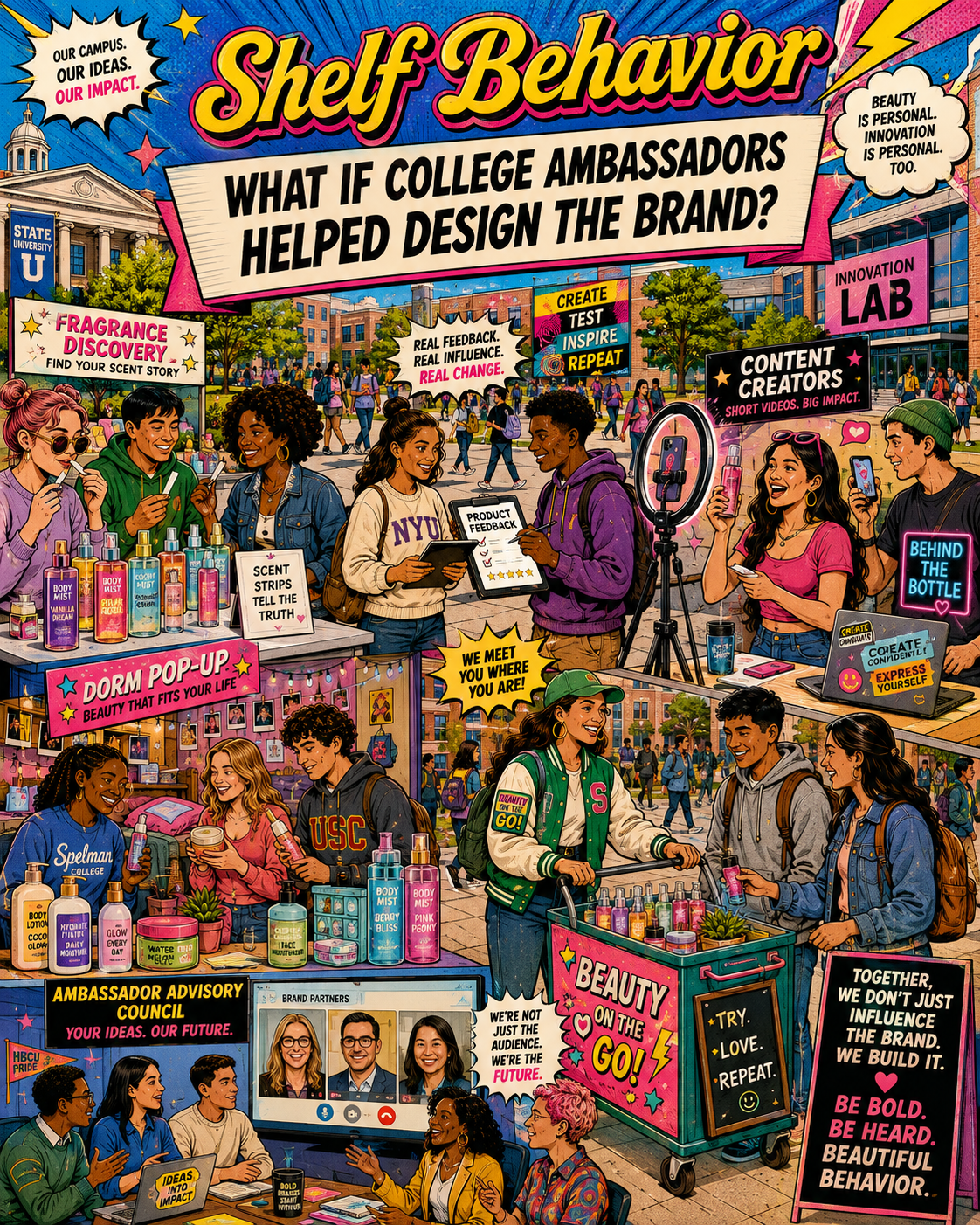
Brands could also create ambassador advisory councils. Small groups of students from different regions and types of colleges could meet regularly with product, retail, and marketing teams. Consequently, companies would hear directly from people using personal care products in real campus environments.
Product feedback could become more systematic too. Instead of asking, “Did you like it?” brands could give ambassadors structured questions about packaging, fragrance strength, price, instructions, portability, and ease of use.
The student who says, “The pump stops working while one-third of the lotion remains,” has just provided more useful information than twelve heart emojis.
Meanwhile, retailers could use ambassadors to test merchandising ideas. A campus team might compare a display organized by product category with one organized around moments such as “Before Class,” “After the Gym,” or “Going Out.” The students would then report which format attracted more questions and engagement.
In that model, ambassadors do not merely promote the brand. They help the brand understand the customer.
Consumer Psychology Favors Peer Relevance
From a consumer psychology perspective, peer recommendations can feel especially useful when the person giving the advice understands the audience’s circumstances.
A national celebrity might recommend a complicated ten-step routine. However, a fellow student may understand that the average Tuesday involves a shared bathroom, limited storage, three classes, a club meeting, and exactly seven dollars left in the discretionary budget.
That relevance matters.
In addition, college communities contain many smaller communities. Students may organize around residence halls, academic programs, cultural organizations, athletics, gaming, music, student employment, disability groups, commuter networks, or graduate programs.
Therefore, one ambassador cannot represent an entire campus. A brand may gain better insight by creating small ambassador teams with different interests and social circles.
Trust also requires honesty. Brands should allow ambassadors to explain who may not enjoy a product, how strongly a fragrance projects, or whether an item fits a student budget. A recommendation becomes more credible when it sounds like useful guidance rather than a hostage video filmed beside a ring light.
Clear sponsorship disclosures matter as well. Brands should train students to communicate their relationship with the company openly and follow all applicable advertising rules.
Which College Students Might Programs Overlook?
Many college marketing campaigns still rely on a narrow image of student life: an eighteen-to-twenty-two-year-old living on a residential campus with plenty of free time, disposable income, and suspiciously good natural lighting.
That student exists. However, the college population also includes commuters, transfer students, community-college students, working students, and people attending school part time.
First-generation and lower-income students may also experience personal care differently because price, transportation, storage, and access shape their choices. Consequently, ambassador programs should not require students to purchase products upfront, host expensive events, or work entirely for free.
Paid roles can broaden participation. Product alone does not pay for transportation, event supplies, filming equipment, or time. Moreover, students who work substantial hours may bring valuable perspectives even though they cannot produce five social media posts before breakfast.
Brands could also look beyond campuses that already attract constant marketing attention. Community colleges, rural institutions, historically Black colleges and universities, Hispanic-serving institutions, tribal colleges, regional public universities, and campuses with large commuter populations may offer distinct communities and insights.
However, outreach should never become demographic box-checking. Brands should invest in relationships, listen to local organizations, compensate ambassadors fairly, and adapt programs to each campus rather than copying one national template everywhere.
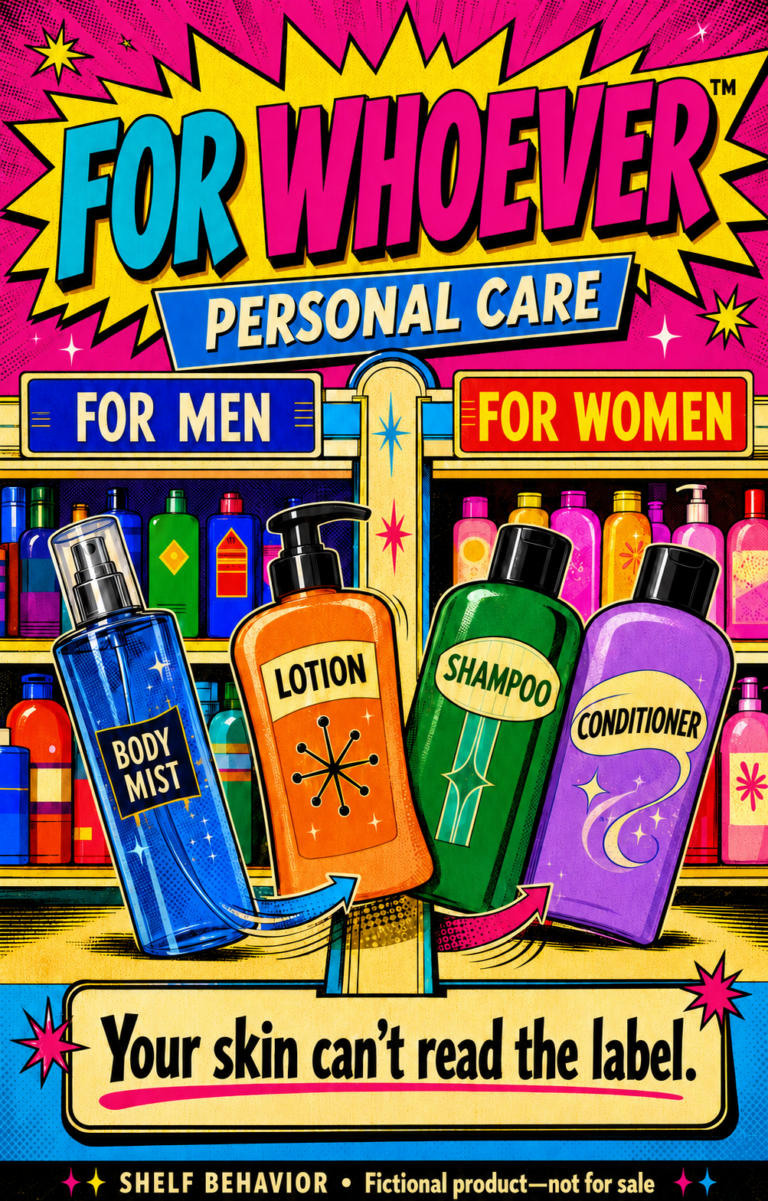
Personal care marketing can also speak more directly to men, gender-diverse students, students with disabilities, and people who do not identify with traditional beauty culture. The goal is not to force everyone into the same beauty conversation. Instead, brands can recognize that personal care includes comfort, hygiene, self-expression, routine, confidence, and sensory enjoyment.
What Could an Innovative Ambassador Program Look Like?
Imagine a college ambassador receiving several possible assignments rather than one generic instruction to “create buzz.”
One month, the student runs a Personal Care Listening Booth, where classmates anonymously submit their biggest product frustrations. Another month, the ambassador creates a Routine Library with simple routines based on budget, schedule, hair needs, fragrance preferences, or available bathroom space.
A campus pop-up could include product testing, but it might also feature a “Packaging Complaint Department.” Students could bring bottles that leak, pumps that fail, labels that dissolve, or caps that disappear into another dimension.
Meanwhile, commuter ambassadors could operate temporary discovery carts near transit stops or student centers. Online students might host virtual product discussions or contribute to digital feedback panels instead of attending physical events.
Brands could also pair ambassadors with employees in marketing, finance, product development, fragrance, or packaging. As a result, the program would offer career exposure as well as promotional experience.
Picture an ambassador introducing an event:
“Welcome to tonight’s fragrance workshop. We’ll discuss scent, memory, and why six people on this campus currently smell like vanilla frosting.”
That event would still promote products. Yet it would also create conversation, education, and community.
The Best Ambassadors Could Help Build Better Brands
Beauty college ambassadors can create social content and host enjoyable events. However, their greatest value may come from what they notice.
They see how products fit into crowded dorm rooms, limited budgets, demanding schedules, changing identities, and highly social environments. Moreover, they hear candid opinions that students may never send directly to a corporate research department.
Therefore, the next generation of college ambassador programs could combine promotion with listening, experimentation, education, and co-creation.
The most innovative brands may not ask students simply to represent what the company has already made.
They may ask students to help imagine what the company should make next.